
Shoulder season travel means visiting a destination in the weeks between its busiest and quietest periods. You usually get lower prices, thinner crowds and decent weather, in exchange for a few compromises. This guide explains how to spot those windows and how to plan around their trade-offs.
Dates vary by country and year, and some places do not follow a simple pattern at all. Check local tourism boards and weather services before you commit.
What shoulder season means
Most destinations have a high season, a low season and the stretches in between. The in-between stretches are the shoulder season. They typically fall in spring and autumn in temperate regions, and at the start or end of the dry season in the tropics.
There is no official calendar. A tourism board may publish its own seasons, and hotels and airlines each set their own. The same week can be high season for one hotel and shoulder for another.
A practical way to find the window is to look at three signals: the weather, the school holidays, and the local event calendar. Where those three are calm, you are likely in shoulder season.
Think of it as a sliding scale rather than a fixed block. Early in a shoulder period, you may still meet summer crowds. Late in it, you may find some businesses already closed for winter. The middle weeks are usually the sweet spot, but you can only learn that by looking at the specific place.
Why prices and crowds drop
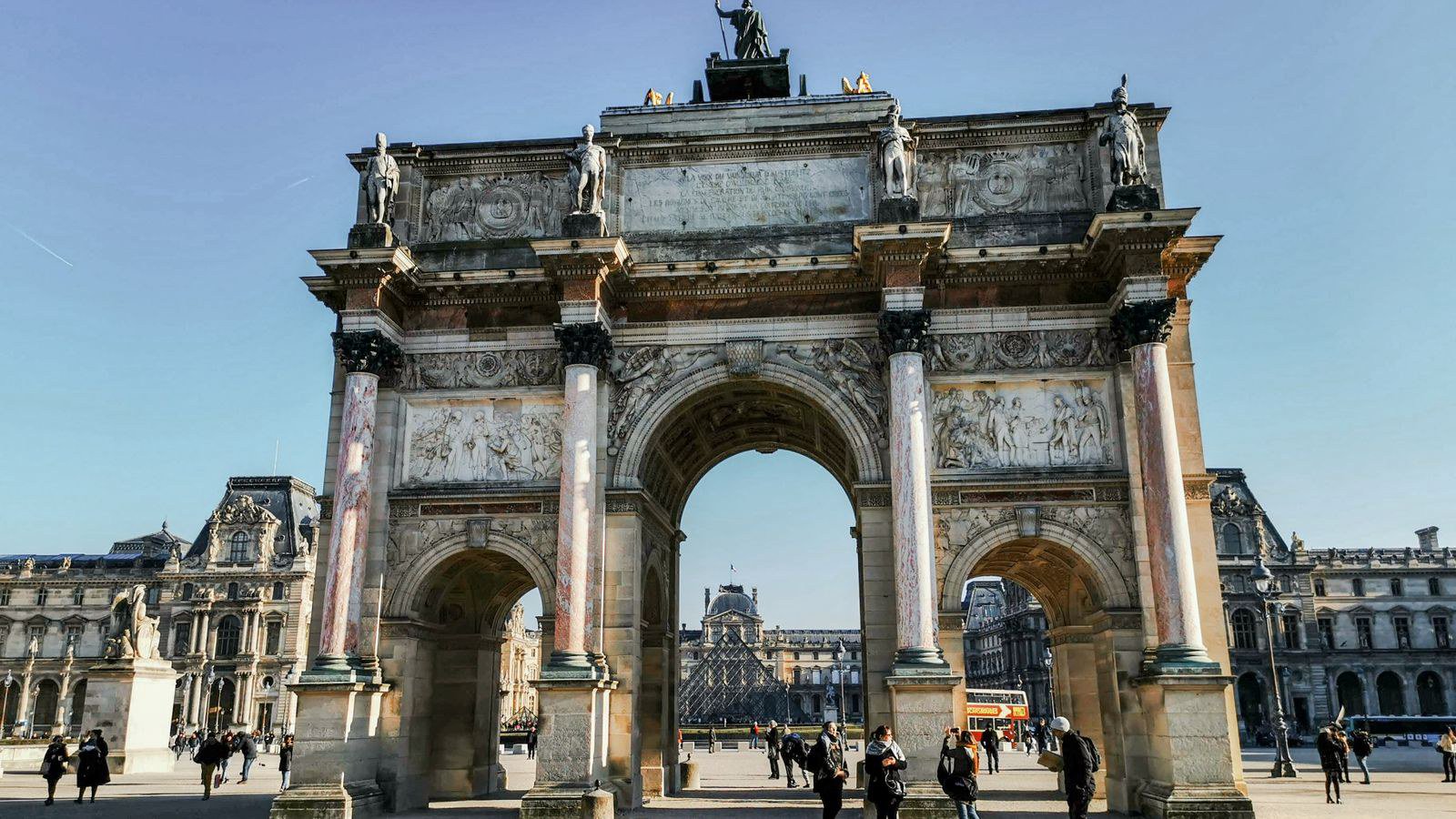
Airlines and hotels price by demand. When fewer people want to travel, rates fall to fill seats and beds. In the shoulder weeks, demand dips because school terms are in session and the weather is less certain, so many families stay home.
The effect shows up in more than your room rate. Attractions have shorter lines. Restaurants have free tables without a reservation.
Guides and drivers have more time for you. In smaller towns, locals often seem more relaxed once the summer rush is over.
The size of the discount depends on the destination, the airline and how early you book, so we will not promise a specific amount. The way to find out is to run the same trip across several dates in a flight and hotel search. Our guide to where to travel in every month of the year pairs well with that exercise, since it points you to the right weeks to test.
Lower demand also means more flexibility. You may find it easier to change a booking, upgrade a room or get a table at a popular place. That is useful when you are still learning how to plan your own travel.
Destinations that shine in shoulder season
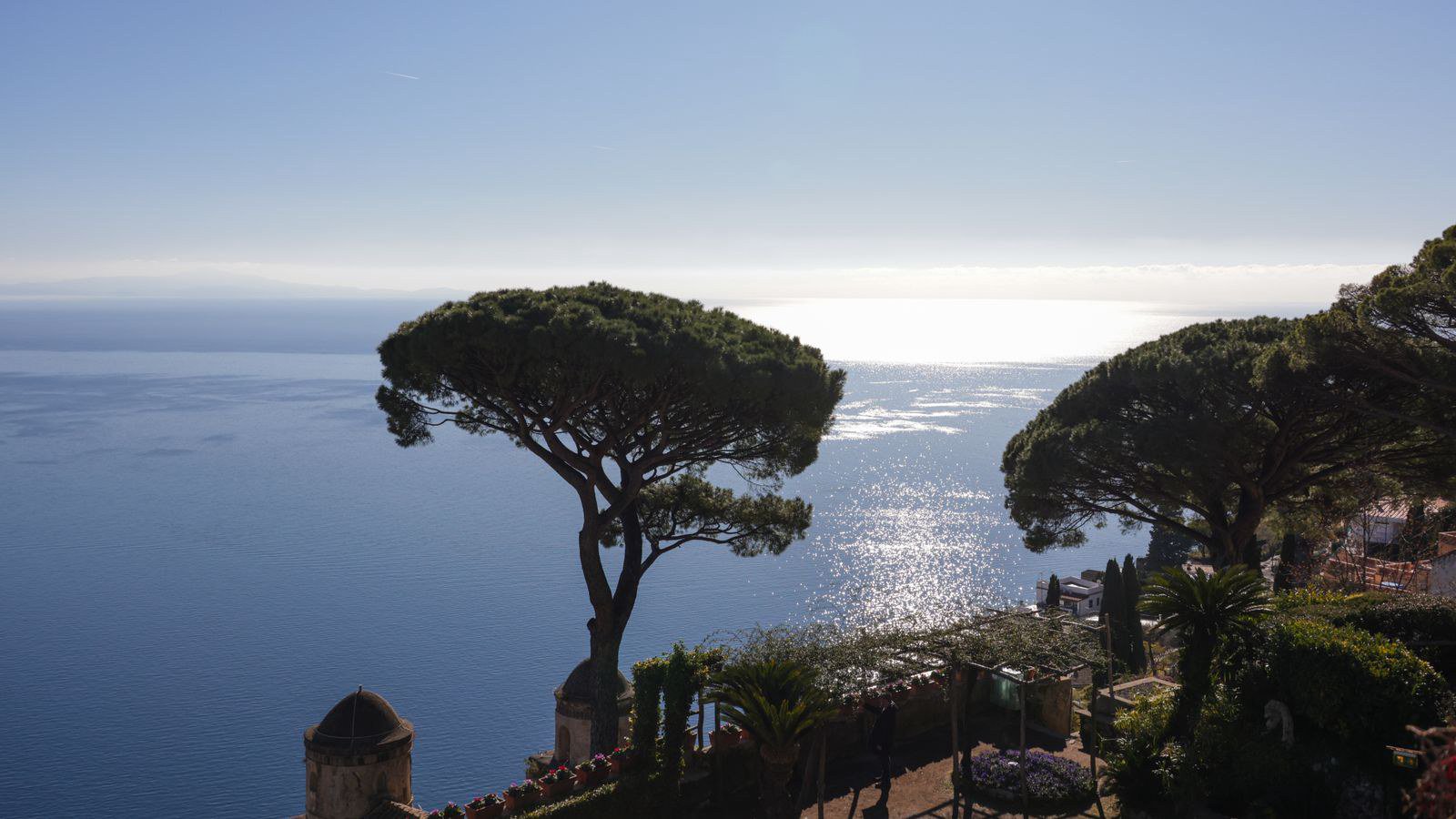
Some places are especially rewarding outside peak months. Southern Europe is a classic example. In late spring and early autumn, the sea is still pleasant, the sun is gentle, and the old towns are not overheated or packed. Many travelers find walking tours far easier in these months.
Japan is another case. Cities such as Kyoto draw large crowds during cherry blossom and autumn foliage peaks. The weeks just before or after those peaks can be calmer, though you may miss the full display. Our Kyoto guide for first-timers covers neighborhoods and getting around, which helps you pick a base wherever you go.
Parts of Southeast Asia work well at the edges of the dry season. You may get the beach and the markets without the full holiday rush. National parks and mountain regions in North America are often quieter in late spring and early autumn, although some roads and facilities have limited hours.
Northern cities in Europe, such as those in Scandinavia and the Baltics, are pleasant in late spring and early autumn. Daylight is generous, temperatures are mild, and summer prices have eased. Look at the local meteorological institute for expected conditions.
Whatever you choose, research the region itself. Shoulder season for a Mediterranean island is not the same as for a Himalayan trail.
Trade-offs: weather, hours and closures
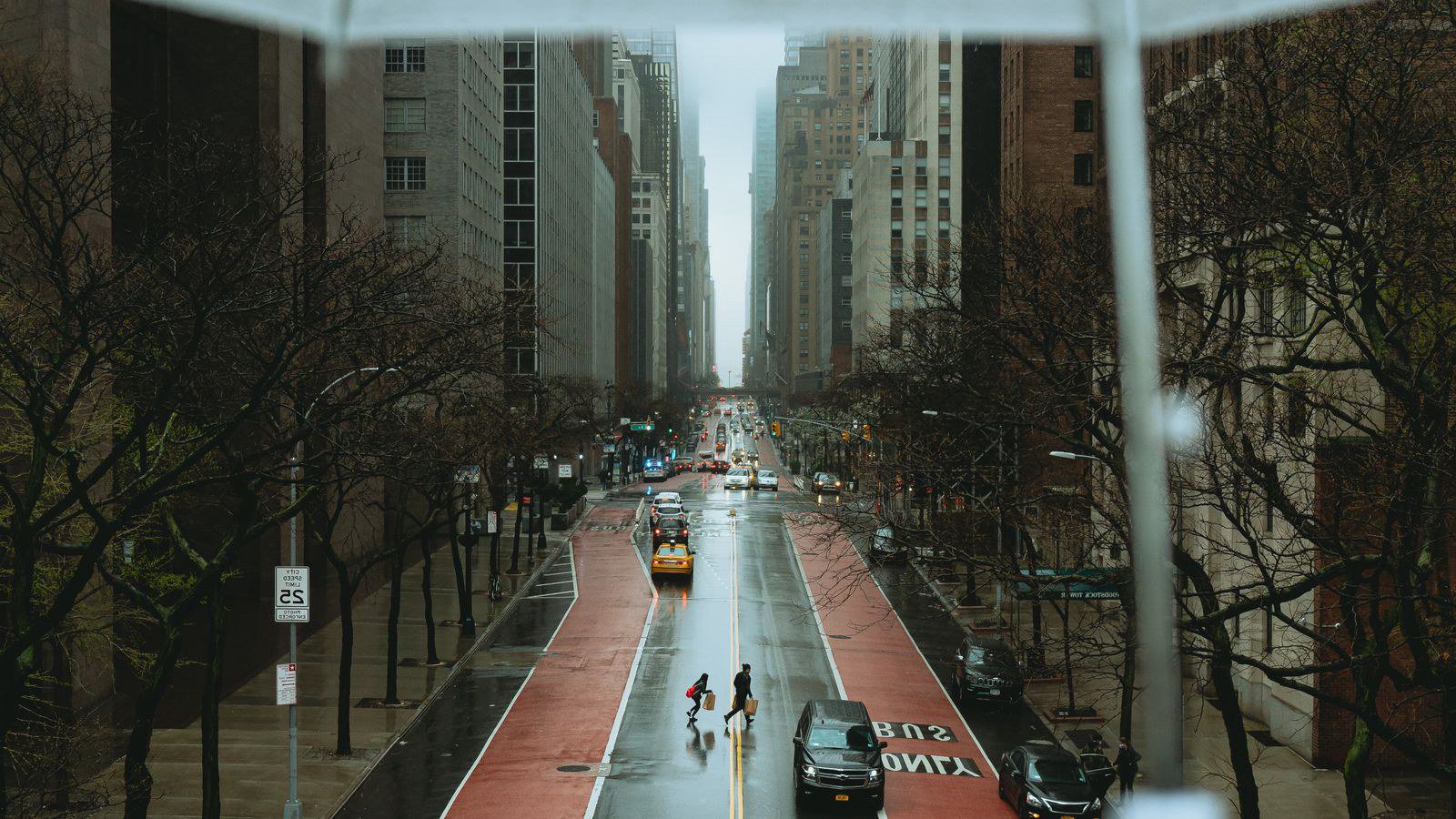
Lower prices come with real costs. The weather is less predictable. You may get a warm, sunny week or a cold, rainy one, and forecasts only help a few days ahead. Pack layers and a light rain jacket, and keep some indoor options on your list.
Opening hours change too. Seasonal restaurants, boat tours, hotels, and even some museums reduce their schedule or close entirely. Ferries and rural buses may run less often, which can shape your route. Always check the operator website or call before building a day around a single attraction.
Daylight is shorter in autumn and early spring, which affects sightseeing and driving. Plan your biggest outdoor activity for the middle of the day. In mountain areas, some trails and huts may not be open yet, or may have closed for the year.
Finally, consider the atmosphere. A beach town in shoulder season may feel quiet, and some travelers love that, while others miss the buzz. Decide in advance what kind of trip you want.
If weather is critical, read the national meteorological service for your destination. For example, the Met Office publishes climate information for the United Kingdom, and most countries have a similar agency.
Shoulder season travel: planning around school holidays and festivals
The biggest threat to a shoulder trip is a surprise holiday. A national festival or long weekend can fill hotels and trains even in a quiet month. In Asia, lunar new year celebrations and golden-week style breaks cause travel peaks for locals. In Europe, Easter and regional school breaks do the same.
Search for school holiday dates in both your destination and your own country. Domestic travel often surges during these weeks, and it affects prices more than international tourism. Official ministry of education pages and tourism boards usually list the dates.
Festivals are worth considering as part of your plan, not just as obstacles. A local event can be the best part of a trip, so long as you book ahead and accept the crowds. If you prefer quiet, avoid the main days and look at the weeks around them.
Book key items, like flights and your first night, with some flexibility. Then leave a few days open so you can adjust to the weather. Shoulder season rewards travelers who plan carefully but hold their itineraries loosely.
If you are crossing borders, confirm visa and entry rules in good time, since processing windows are not always shorter in quiet months. Official government pages are the only reliable source for those details.
Budget and booking tips
Budget is the final piece. Shoulder weeks can lower costs, but they can also add some, such as a heavier coat or a taxi because a bus no longer runs. Add a modest buffer for these surprises, and compare the total cost of a trip rather than the nightly rate. A cheap stay with poor transit may cost more than a pricier one near the station.
If you are unsure about border rules in the months you picked, GOV.UK foreign travel advice and similar government pages list entry requirements, health notes and local warnings. They change often, so read them again shortly before you fly.
Done well, shoulder season travel lets you see familiar places in a different light. The streets are calmer, the prices are kinder, and you have more room to stop and look. The cost is some uncertainty, and with a bit of preparation, that is a trade many independent travelers are glad to make.