Deciding where to travel each month starts with weather, crowds and cost, in that order. Pick a place that is in its comfortable season, then check whether holidays push prices up. This calendar gives you starting ideas for every quarter, and a way to match them to your budget.
Climate is never exactly the same two years running, and festival dates move. Treat each suggestion as a first filter, and confirm details with national weather services and tourism boards before you book.
How to read this calendar

Each entry below describes a general pattern, not a promise. A region that is usually dry in February can still have a wet week. Think in terms of odds and trade-offs.
We group destinations by season in the northern hemisphere, and we note when the southern hemisphere is the mirror image. When the north is in winter, countries such as Australia, New Zealand, Chile and South Africa are in summer.
Also remember that “good weather” means different things. A beach holiday needs sun and calm seas. A city break might prefer mild days.
Hiking wants stable conditions and clear trails. Decide first what you want from the trip, then use the calendar to find where it fits.
Many travelers aim for the edges of a popular season, because prices and crowds usually ease there. Our guide to shoulder season travel explains that approach in detail.
January to March
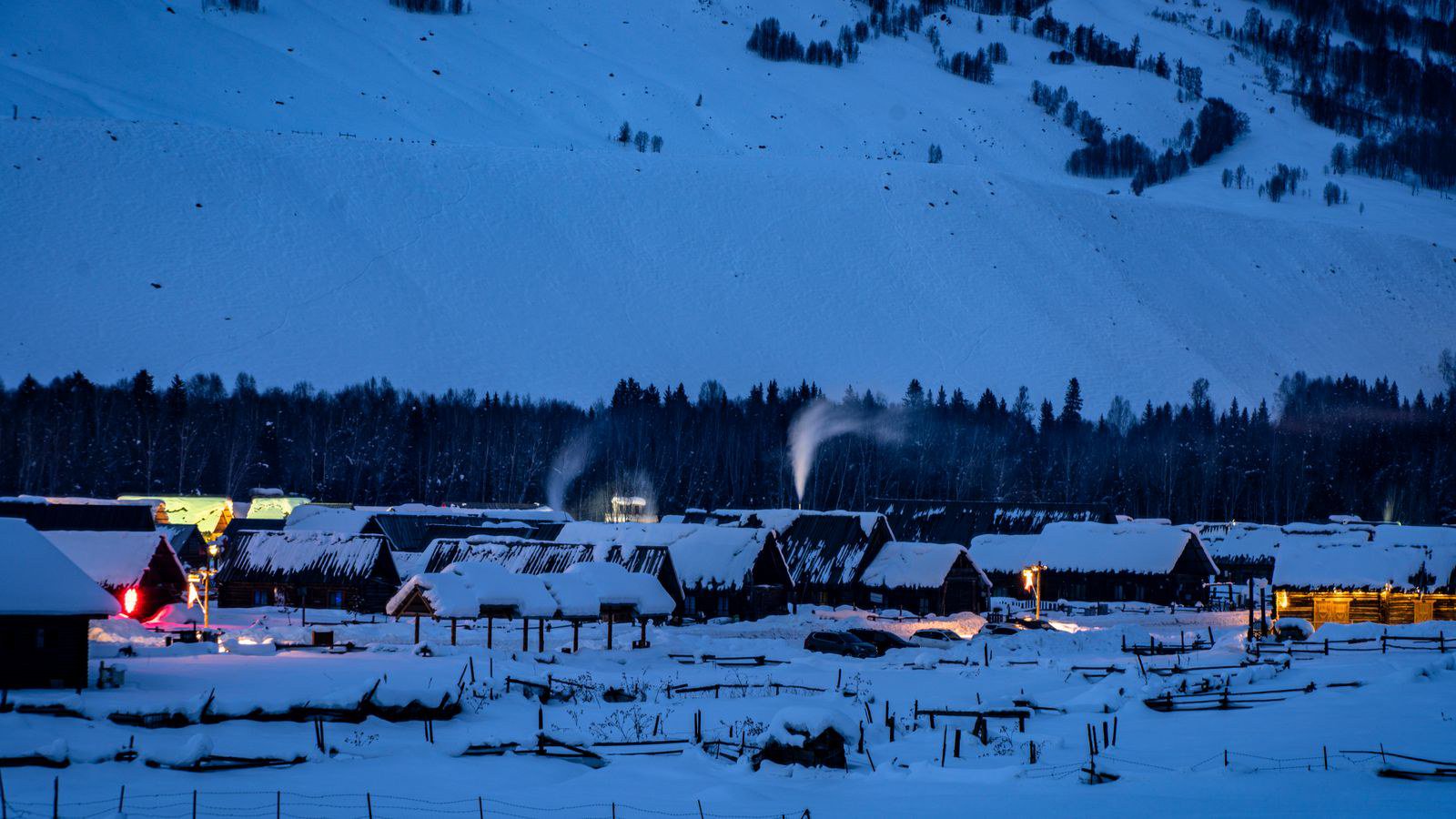
Winter in the north is high season for warm-weather escapes. Parts of Southeast Asia sit in their drier months, which suits beaches and island hopping. Northern India and the Gulf region are pleasantly mild. Some African safari areas are also productive at this time, depending on the country and the rains.
In the Southern Hemisphere, it is peak summer. Patagonia, Australia and New Zealand offer long days and good conditions for outdoor travel, although school holidays in January raise demand. Book early if you plan to visit then.
If you prefer snow, the Alps, the Rockies and Japan’s mountain regions run their ski seasons. Cities in southern Europe are cool and quiet, with lower crowds at major sights. Pack layers, since sunshine and rain can swap in a single afternoon.
Spring arrives early in some places. By March, parts of Japan are approaching cherry blossom season, which brings crowds to certain parks and temples. Peak dates shift each year, so check the national tourism organization or the Japan Meteorological Agency before you commit to flights.
April to June
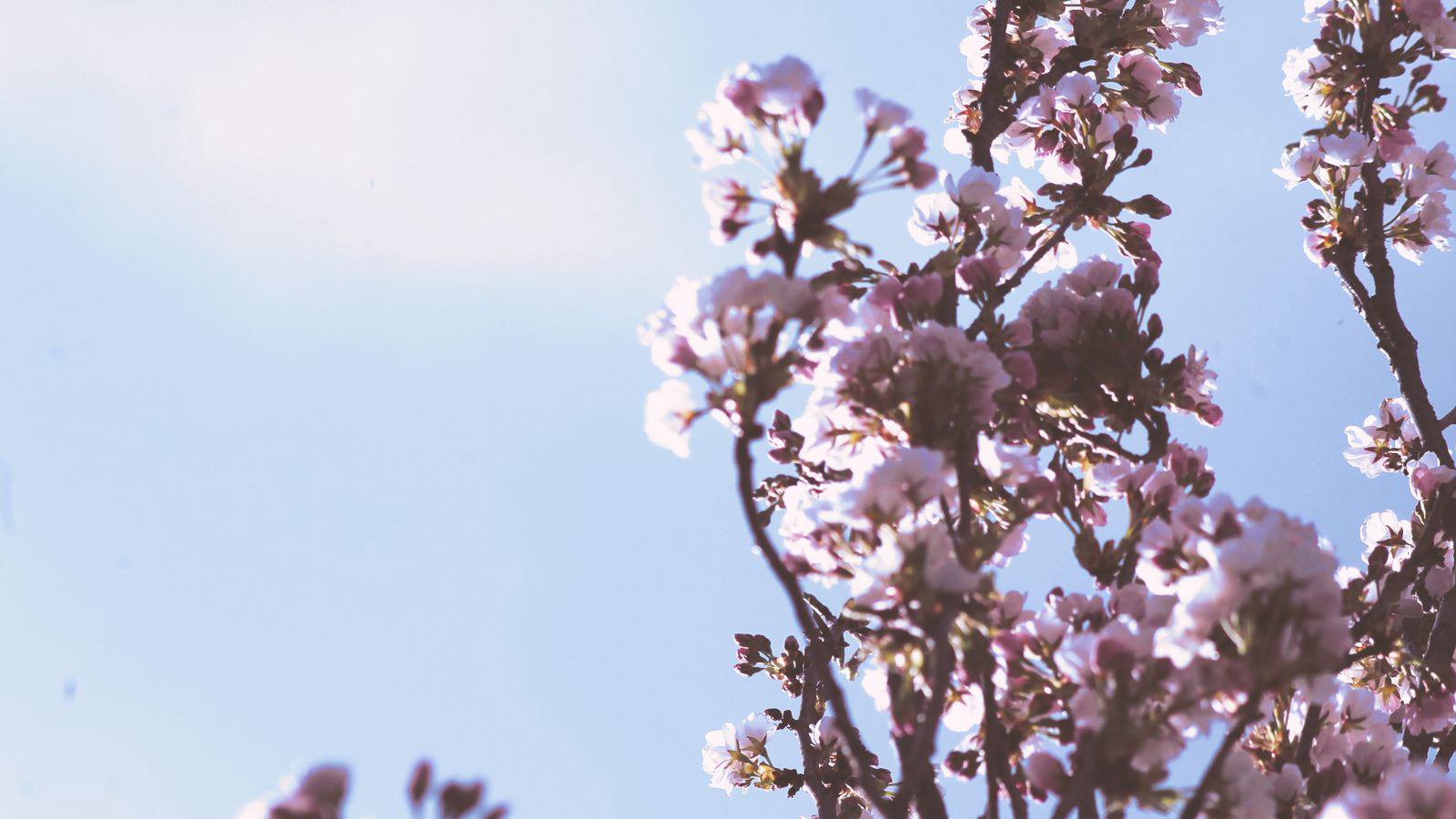
Spring is a gentle time for much of Europe and the Mediterranean. Days lengthen, gardens bloom, and sea temperatures are still cool. You will find smaller crowds than in summer, though Easter weeks can be busy and expensive. Dates for Easter move every year.
In Asia, the picture splits. Parts of Southeast Asia heat up sharply in April and May before the rains begin. Northern Japan, South Korea and parts of China are at their best around this time. High-altitude regions like Nepal open up to trekkers in spring, with clearer views before the monsoon.
North America warms up quickly. National parks begin to reopen their higher roads, though some stay closed until snow melts. Check park service websites for current road conditions.
June brings long daylight in northern Europe and Scandinavia, which is excellent for sightseeing and slow travel. Midsummer celebrations draw locals out of cities. If you want mild weather and fewer people, late May and early June are often a good window.
Hurricane and typhoon seasons begin in several regions around this time. Read the official forecast pages for the area you plan to visit.
July to September
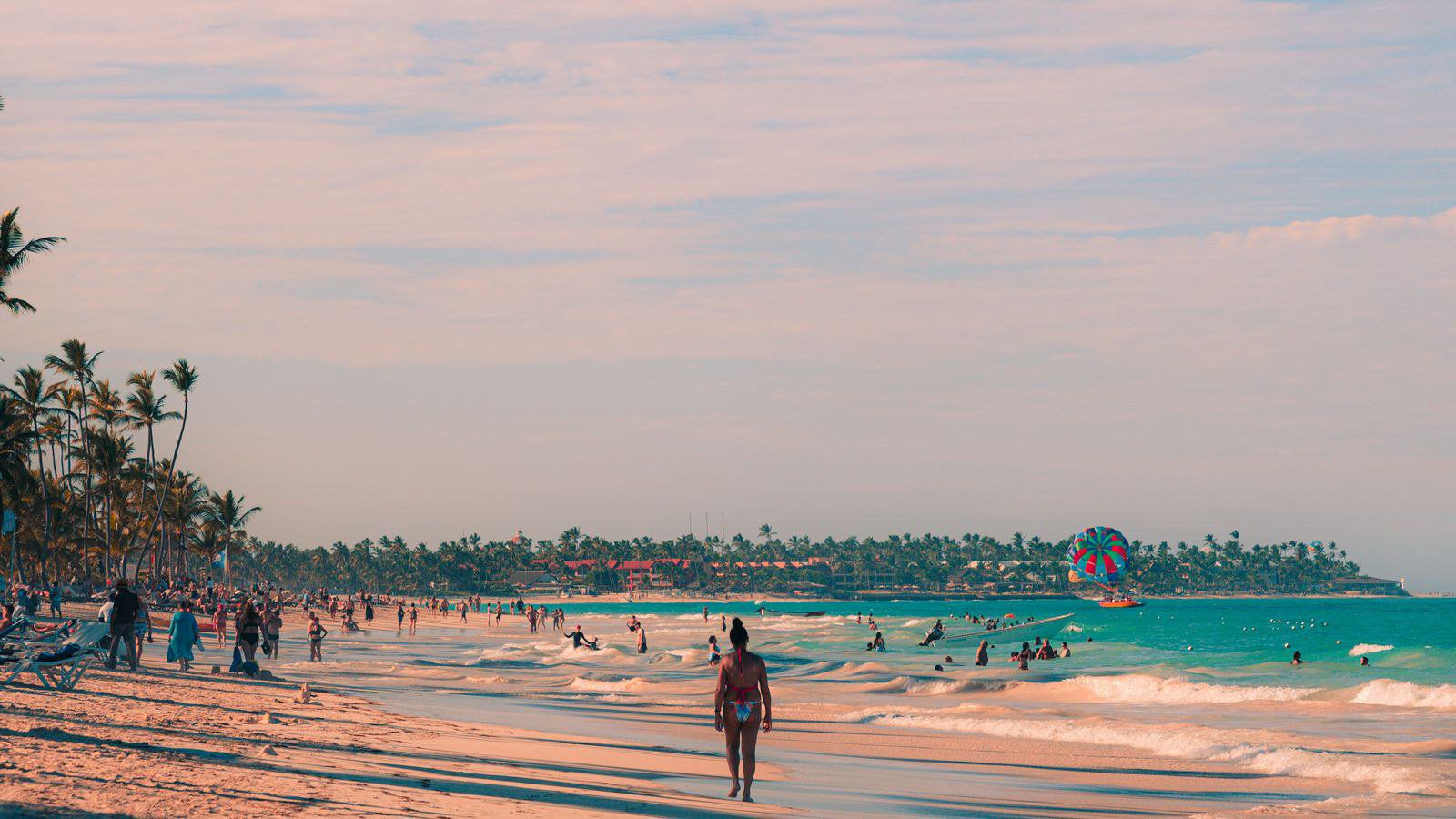
This is peak summer in the north, and peak demand. Flights and stays cost more, and popular coastal towns fill up. If you travel now, book early and be ready to share the view. Mountains and lakes in Europe, Canada and the western United States are at their most accessible.
The Mediterranean is hot, especially in July and August. Many travelers choose the northern coasts, islands with sea breezes, or higher ground. Other travelers switch to September, when the sea is warm and the crowds begin to thin.
Southeast Asia is in its wet season in many areas, with heavy but often short showers. That does not mean you cannot go. Some travelers enjoy greener scenery and lower prices, but plan flexible days. Our guide to Southeast Asia weather by month breaks the pattern down by country.
The Southern Hemisphere is in winter. Southern Africa has dry, clear days that suit wildlife viewing. Parts of South America enjoy good trekking conditions, though nights get cold at altitude.
October to December
Autumn is a favorite for travelers who like color and calm. Europe’s cities are comfortable, harvest festivals appear, and prices for stays often drop after the summer peak. In Japan and South Korea, foliage draws visitors, with the best dates changing by region and year.
Many parts of Southeast Asia see the rains ease by late autumn, making November a popular time to arrive. Northern India is cooler and clearer after the monsoon. The Middle East becomes more comfortable for outdoor sightseeing.
December is a split month. Holiday markets in central Europe are atmospheric but busy, and flights around Christmas and New Year are among the most expensive of the year. If you can move your dates by even a few days on either side, the savings can be considerable.
Southern Hemisphere summer begins, which means long beach days in Australia, New Zealand and parts of South America. School holidays start in many countries, so book early.
Matching where to travel each month to your budget
Once you have a list of places that suit your preferred month, check costs. Flights and stays tend to follow demand, so the month with the best weather is rarely the cheapest. You can often save by shifting one or two weeks toward the edge of the season.
Use a flexible-date search on flight tools to see how fares change across a month. Then compare the same dates for accommodation. If one clashes with a local festival or a long public holiday, the price will usually jump. Start with a simple plan and refine it. Our guide to building a realistic travel budget helps you decide how much to allow for each part of the trip.
Budget and trade-offs
Also think about what you are willing to give up. A cooler beach, a shorter day, or a rainy afternoon may be a fair trade for quiet streets and lower prices. A first trip abroad may feel easier in a stable season, while frequent travelers often enjoy the quieter months.
Finally, confirm entry rules early. Visa or electronic authorization processing can take time, and requirements change. Look up the destination’s immigration site or your own government’s travel advice, such as GOV.UK foreign travel advice or travel.state.gov, depending on your passport.
If you are new to planning, start with one month and one region, not the whole world. A first trip abroad is easier when you know the language basics, the transport system and the typical weather. Once you have a few trips behind you, a looser calendar becomes realistic, and you can chase the best windows in several regions each year.
Keep a simple notes file as you research. Write down the month, the region, the expected weather, the likely price level and anything that could change, such as a festival or an election. When you return to the file a few weeks later, you will see which options hold up and which only looked good for a moment. That small habit turns browsing into an actual plan.
No calendar can pick your trip for you. It can narrow the field, so that when you open a booking page you already know why you chose that place and that month. From there, the details fall into place more easily.