
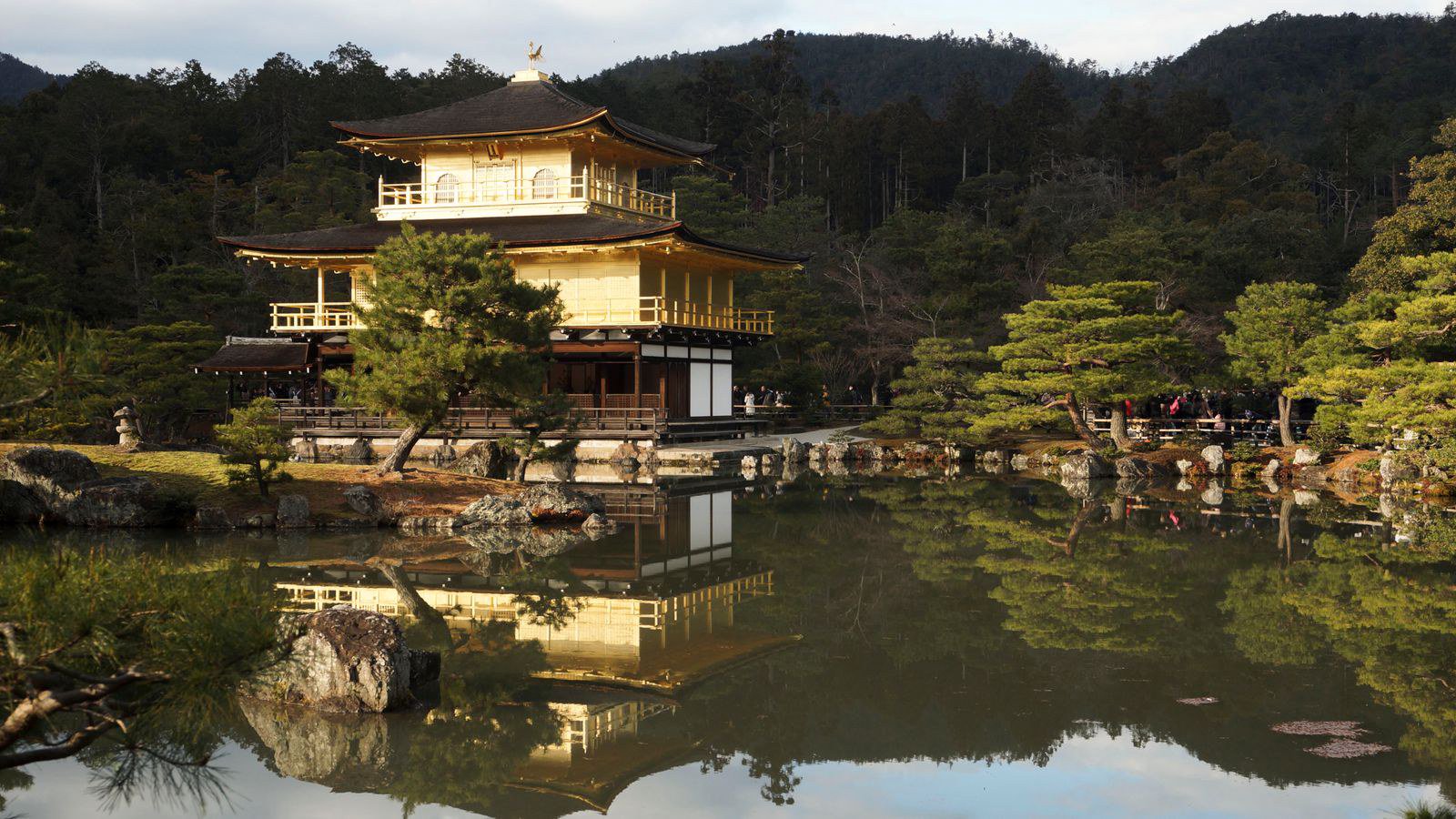
A Kyoto travel guide should start with one honest point: the city rewards slow planning more than long lists. Most first visits work best with three to four full days, a base near a train or subway line, and a few early mornings. This guide walks through each decision in the order you will probably face it.
Kyoto is compact on a map but layered on the ground. Temples sit on hills, markets run along narrow lanes, and the best sights are spread across the whole valley. Planning by area, not by famous name, saves hours.
How many days this Kyoto travel guide suggests
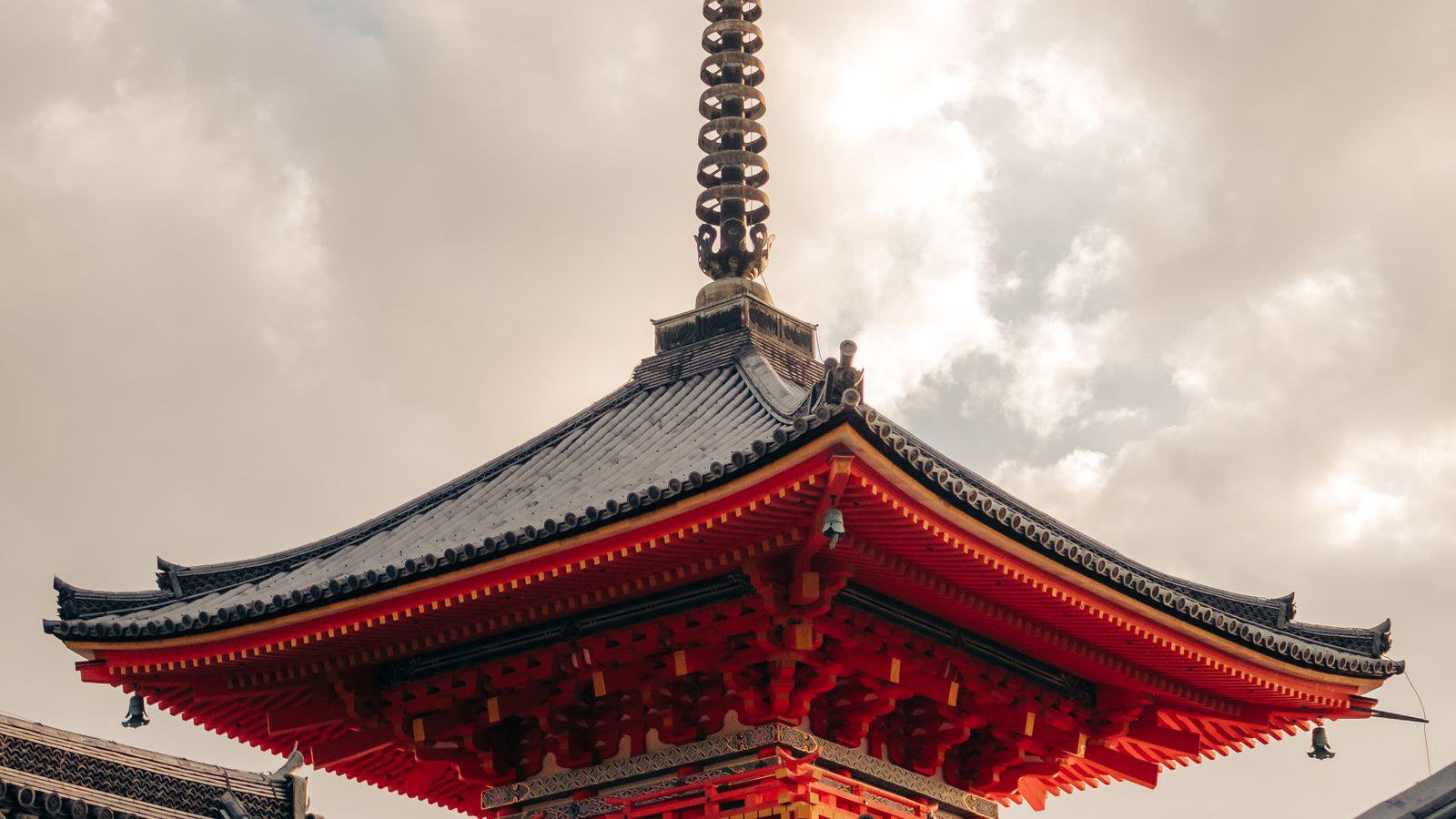
Three full days is a workable minimum. It lets you see the eastern temples, the western bamboo and river district, and the central markets without rushing. Four days adds breathing room, and that is where the city starts to feel less like a checklist.
If you only have two days, pick one theme. Either focus on the eastern hills or on the western edge of the city. Trying to cover both usually means spending your day on buses.
Add a day or two if you want day trips. Nara and Uji are the usual choices, and we cover them below. A longer route through the country is laid out in our seven-day Japan itinerary, which shows where Kyoto fits between Tokyo and Nara.
Think about pace as well as count. Kyoto days that start at seven and end at dinner feel full even with three sights. Two or three anchor visits per day is a sensible target.
Choosing a neighborhood to stay in
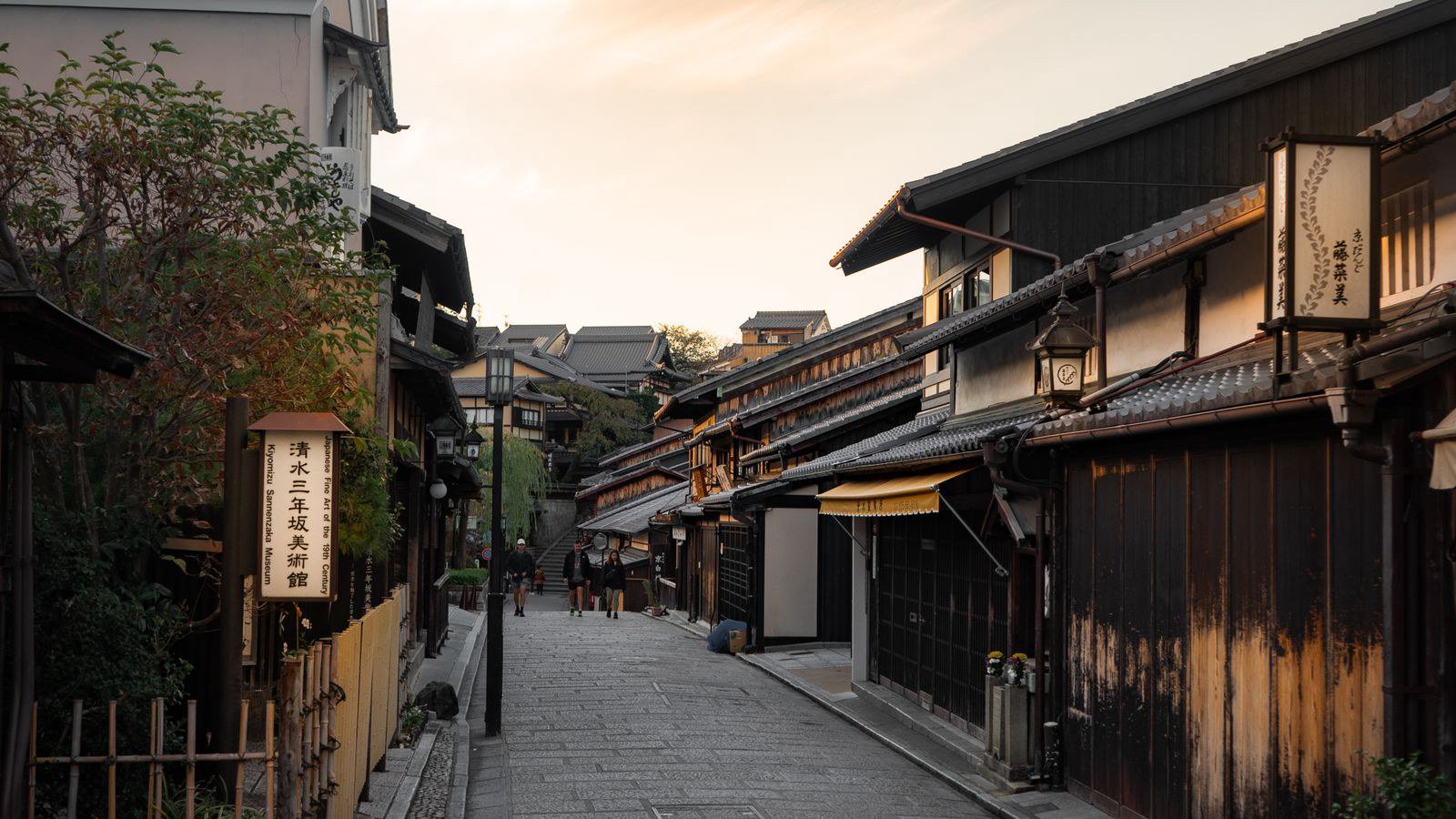
Your base shapes how easy each day feels. There is no single correct area, only trade-offs between convenience, quiet and atmosphere.
Near Kyoto Station
This is the most practical choice for short stays. You arrive by train, drop your bags, and reach the subway, local trains and buses within minutes. The area is modern rather than charming. Many travelers accept that in return for easy transfers.
Central Kyoto around Kawaramachi
Here you are close to shops, restaurants and the river. Evenings are lively and walking distances are short. It suits travelers who want to eat out often and wander at night. Rooms can be small, so check photos and dimensions.
Higashiyama and Gion
Staying in the eastern hills puts old lanes and major temples at your door. Mornings are calm before day visitors arrive. The trade-off is fewer rail connections, so you rely on buses or taxis for longer moves.
Arashiyama
The western district is peaceful in the evening, after tour groups leave. It is a good choice if you plan to spend a full day on the river and bamboo paths. It is a longer ride from the eastern sights.
Prices and availability change by season, so compare a few dates before you commit. Our guide to choosing between hotels, hostels and apartments can help you weigh the type of stay against your budget.
Getting around: buses, trains and walking
Kyoto has a subway with two lines, several private and JR rail lines, and a dense bus network. The subway is fast but does not reach every temple. Buses fill the gaps, though they can be crowded at peak times.
Walking is the best way to see the neighborhoods. A single district can fill a morning on foot. Wear shoes that are easy to slip off, because you will enter many temple halls and some restaurants.
Here are a few habits that make movement easier:
- Check the map before you leave and note which station or bus stop is closest to each sight.
- Group visits by area so you do not cross the city twice in one day.
- Keep small change or a rechargeable transit card handy for buses and trains.
- Allow extra time at midday, when roads and buses are busiest.
Taxis are useful for tired legs, late returns or luggage. Cycling is another option on the flat central grid, but check local rules on parking before you rent.
Fares, pass options and bus routes change from time to time. Confirm current details on the official Japan National Tourism Organization site and on the city’s transport pages before you travel.
Temples and shrines worth the early start
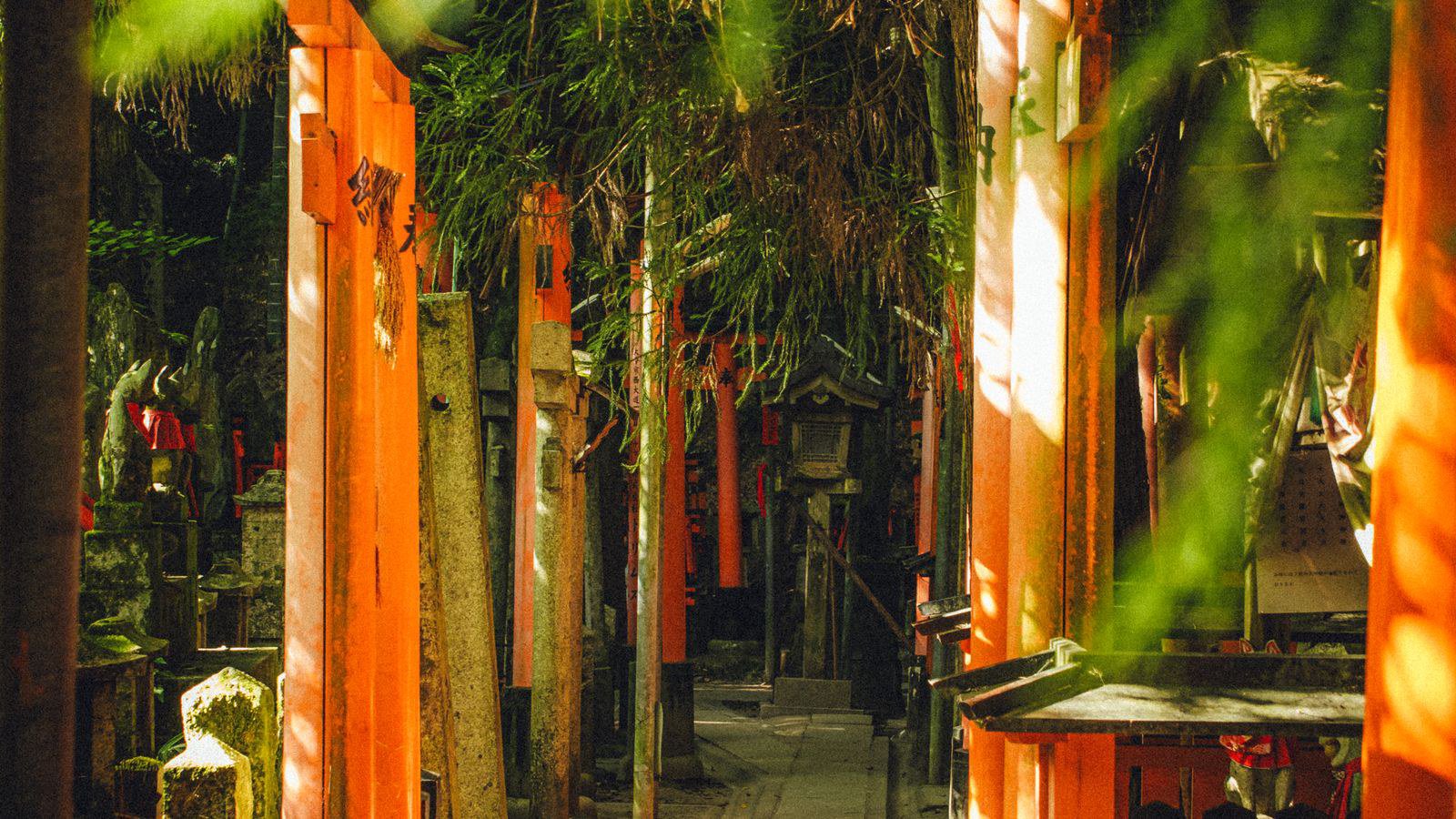
The famous sites are famous for a reason. They are also busy for most of the day. The simplest fix is to go early, ideally when gates open, and save the quieter streets for the afternoon.
The red gate trail at Fushimi Inari is a clear example. The lower section is crowded, yet the paths higher up thin out as you climb. Going early gives you both light and space.
The eastern hills hold Kiyomizu-dera and the lanes that lead down to Gion. Start at the top and walk down. You will move with gravity, not against it, and meet the crowds only at the end.
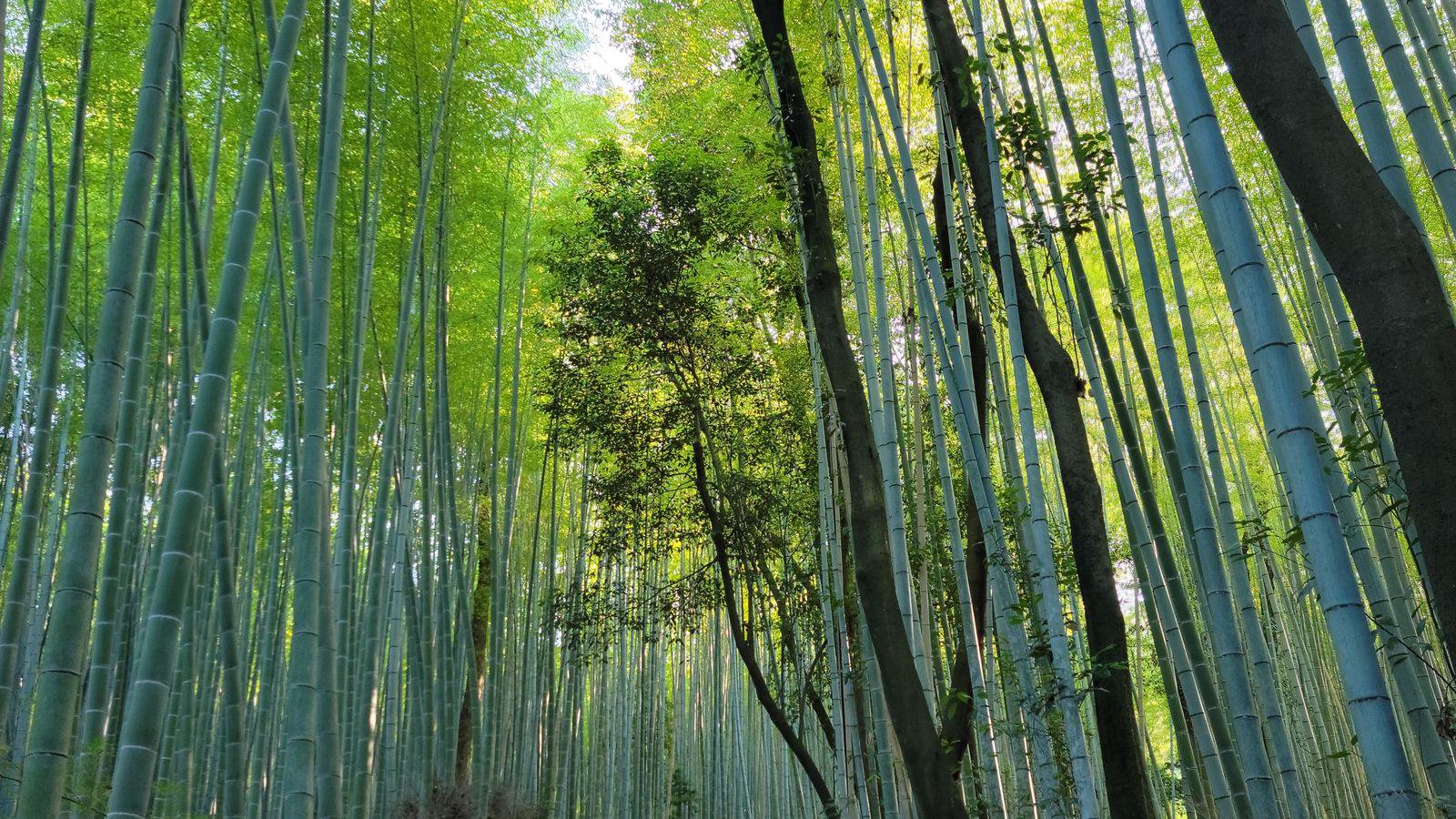
In the west, the bamboo grove is short and popular. Enter at opening time, then continue to the quieter temples nearby. Many travelers find the smaller gardens more memorable than the main attraction.
Opening hours, entry fees and special closures vary. Some temples close for ceremonies or seasonal maintenance. Check each site’s own page before you build your day around it.
Respect matters here. Speak softly, follow signs about photography, and avoid blocking narrow paths. A few quiet moments at a small shrine often stay longer in memory than a dozen photos.
Eating well without a reservation list
You can eat very well in Kyoto without booking weeks ahead. Many everyday places take walk-ins, and lunch is often easier than dinner.
Look for set meals at lunchtime. A teishoku set gives you rice, soup and a few small dishes in one order. Noodle shops, tofu restaurants and small counters near the stations are dependable options.
Nishiki Market is a good place to graze. Go in the morning, share a few small items, and keep walking. It can feel tight at midday, so arrive before the lunch rush.
For dinner, wander the lanes near the river and look for places with a menu posted outside. If a restaurant is full, ask when a seat might open or try the next door. Some high-end kitchens do require reservations, so decide early if one matters to you.
Tell staff about allergies or dietary needs clearly and in writing if possible. Vegetarian travelers should know that many broths contain fish stock, so ask before ordering.
Tipping is not expected in Japan. Cash is still common in smaller places, so carry some with you.
Easy day trips from Kyoto
Kyoto is a good base for short rail trips. Two of the easiest are Nara and Uji, and both fit into a half day or a full day.
Nara has a large park, an enormous wooden hall and friendly deer. The train ride is short, and the main sights sit within walking distance of each other. Take care with the deer, which can nibble paper and bags.
Uji is known for tea. You can walk from the station to a historic temple, a river path and tea houses. It is a gentle trip for a slower day.
Osaka is also reachable by train if you want a contrast. It is louder, hungrier and more modern, and many travelers like to see it for one evening.
Do not overfill your schedule. One day trip in a four-day stay is plenty. If you travel in a quieter period, our notes on shoulder season travel explain why spring and autumn edges can be calmer than the peak weeks.
Putting it together
A good Kyoto plan is less about seeing everything and more about choosing a rhythm. Start early, pick one area per day, eat simply at midday, and leave an evening for a slow walk. That pattern works in any season.
Book your base first, then sketch the days around it. Keep one slot free in case the weather turns or a place is closed. Kyoto tends to reward the traveler who leaves room for a wrong turn.
Before you finalize anything, check entry rules, opening hours and transport details through official sources. These details change, and no guide, including this one, can stay current on every fee or timetable.