

Learning how to budget for a trip starts with one simple move: list what you must pay before you leave, then estimate what you will spend each day. Everything else is a buffer around those two numbers.
We plan our own routes, so we have made every budgeting mistake at least once. This guide walks through the order that works for us. It uses ranges and percentages rather than fixed prices, because costs shift by season and by year.
Start with fixed costs
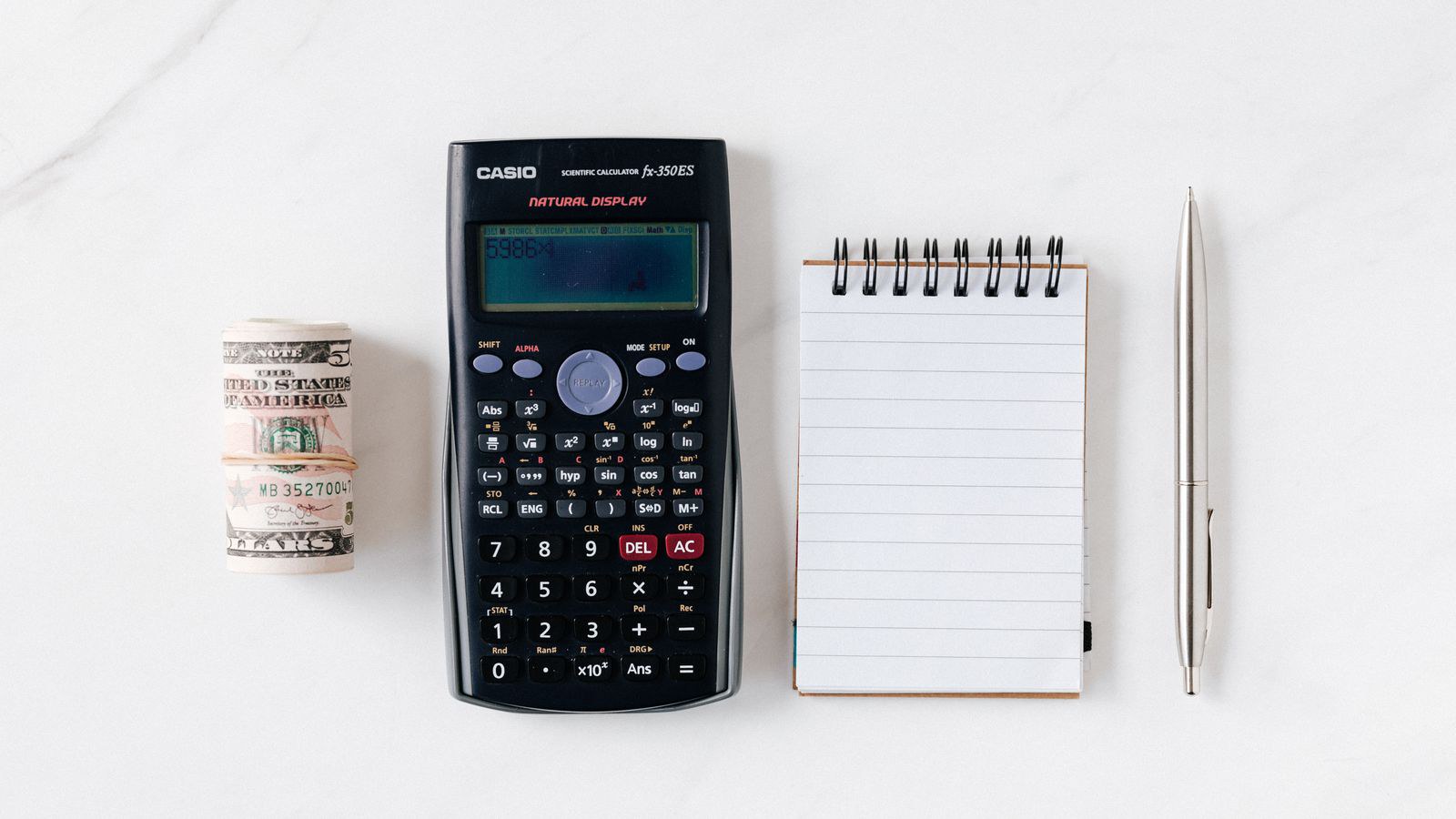
Fixed costs are the bills you can look up today and pay before departure. They are the most reliable part of any travel budget, so build the foundation here.
Begin with transport to and from your destination. Flights are usually the largest single item, and the way you search matters. Our guide on finding cheaper flights with tactics that still work covers timing, flexible dates and fare alerts in detail.
Next, add accommodation if you have already chosen where to stay. If you have not, hold a placeholder for now and move on. We return to it in the daily estimate.
Then add the paperwork and cover that you pay once:
- Visa or electronic travel authorisation fees, if your passport requires them
- Travel insurance for the whole trip
- Vaccinations or medication, if your destination calls for them
- Pre-booked trains, ferries or domestic flights
- Tickets for anything that sells out, such as a famous museum or a mountain railway
Fees for visas and authorisations change, sometimes with little notice. Always confirm the current amount on the official government page before you write a number down.
Add these lines together and you have your fixed total. Write it at the top of your spreadsheet or notebook. Once that money is committed, you can see exactly what is left for the trip itself.
Estimating daily spending per destination

Daily spending is where most budgets succeed or fail. The trick is to stop thinking in trip totals and think in days.
Split a normal day into four buckets: a bed, food, local transport and activities. Then give each bucket a range with a low, a middle and a high figure. You do not need exact prices at this stage. You need a sensible shape.
To find real numbers, check a few sources rather than trusting one. Look at current hostel and guesthouse listings for your dates. Read recent forum threads from people who travelled in the past year. Check the menu boards of restaurants on a map service, which often show prices in photos.
Destinations differ widely, and the difference is not only the headline price. A city with cheap rooms may charge a lot for taxis. A country with expensive food may have excellent supermarkets that cut your meal costs sharply. Compare the whole picture, not one line.
Your travel style changes the numbers as much as the place does. Consider these examples:
- A slow traveller who cooks twice a week spends differently from a restaurant-every-night traveller.
- Someone who walks everywhere avoids the transport bucket almost entirely.
- A couple sharing a double room splits the largest cost in half per person.
Be honest about which of these you are. A budget built for a person you are not will fail by the second week.
Once you have a daily figure, multiply it by the number of days. Add the fixed costs from the first section. That is your working total, and it is the number to compare with your savings.
If the total is too high, change the trip rather than the maths. Fewer days, a cheaper month, or a closer destination all help. Our piece on shoulder season travel and what it saves you explains how moving a trip by a few weeks can ease several buckets at once.
Hidden costs most budgets forget

A budget that only counts flights, beds and meals will always come up short. The missing money sits in small items that feel too minor to write down.
Think about the journey from the airport. Some cities have a cheap train, others only offer taxis or private shuttles. That single decision on arrival day can cost more than a normal day of food.
Luggage is another quiet one. Many airlines charge separately for checked bags, cabin bags or seat selection. If you did not account for these when you compared fares, your cheap ticket may not be cheap any more. Check the baggage rules on the airline’s own page before you pay.
Money itself has a cost. Card payments abroad may carry foreign transaction fees, and cash machines may charge their own. Ask your bank what applies to your card and whether it offers a travel-friendly option. Withdrawing larger amounts less often usually reduces flat fees, though you then carry more cash.
Several smaller items catch people out:
- Tourist taxes charged per night at the hotel desk
- Entry fees for places that were free in an older guidebook
- Sim cards, data roaming or a portable Wi-Fi device
- Laundry on longer trips
- Tips and service charges where they are customary
- Replacing things you lose or break, such as chargers and sunglasses
Do not try to price each one perfectly. Instead, add a single line called “small things” and set it at a modest share of your daily total. If you finish the trip with money in that line, treat it as a gift.
Do not forget the costs on your return, either. Parking at the airport, a late train home and the grocery shop on the first night back all land after the holiday feels over.
Building a buffer that fits your trip
A buffer is money you hope not to spend. Its job is to turn a bad day into an inconvenience instead of a crisis.
How large it should be depends on how predictable your trip is. A week in one city with everything booked needs a small cushion. A three-month route with loose plans and several border crossings needs a larger one. Many travellers pick a percentage of the total, and the right figure is the one that lets you sleep.
It helps to think of two separate reserves. The first covers ordinary surprises, such as a rail strike that forces a taxi or a rainy week that pushes you into paid museums. The second covers true emergencies and is better held as a separate card or account, ideally one that is not tied to your main bank card.
Insurance sits alongside the buffer, not instead of it. A policy may reimburse a medical bill or a cancelled flight, but you often pay first and claim later. Your reserve is what keeps you moving while the claim is processed. We explain what to look for in our guide to travel insurance for independent trips.
Consider currency swings as well. If you are saving in one currency and spending in another, the rate can move between planning and departure. A modest cushion absorbs that. So does buying part of your foreign currency early and the rest closer to the date.
A good test is to ask a single question. If your flight home were cancelled tomorrow, could you pay for two extra nights and a rebooking? If the answer is no, the buffer is too thin.
Tracking spending on the road
A budget on paper is a forecast. A budget in use is a habit. Tracking is what connects the two, and it does not need to be complicated.
Pick one method and stick with it. A notes app, a spreadsheet, a paper notebook and a dedicated expense app all work. The best one is whichever you will open at the end of each day without resenting it.
Record spending in the same buckets you used when planning: bed, food, transport, activities and small things. That way the comparison is direct. If food keeps running above your estimate, you can see it by day three rather than day twenty.
Think in running averages rather than single days. One expensive dinner is not a failure if the next two days are quiet. What matters is whether the weekly figure is drifting above plan. When it is, adjust early with small changes, such as one self-catered meal a day or a free walking route in place of a paid tour.
Keep receipts or photos of larger purchases, especially anything you may claim on insurance. Photograph tickets and booking confirmations too. A short, tidy record is worth far more than a perfect one you abandon after a week.
If you are travelling with others, agree on a shared method before you leave. Decide who pays for what, how often you settle up, and which currency you count in. Most friction on group trips comes from money that nobody wrote down.
It also helps to review your numbers once the trip ends. Compare what you planned with what you spent, bucket by bucket. Those differences are the most useful data you will ever collect, because they describe how you actually travel. Next time, your estimates will be far closer.
For anyone heading abroad for the first time, official government travel advice is a sensible companion to your budget. Pages such as the UK government’s foreign travel advice list entry rules, health notes and local conditions that can affect costs. Rules and fees change, so check them close to departure.
Budgeting is not about limiting the trip. It is about knowing the price of each choice so you can make it freely. With fixed costs listed, daily ranges set, a buffer in place and a simple record kept along the way, you will spend the trip enjoying the place rather than worrying about the balance.