
Our team has guided riders through the far north of Vietnam for years, and the Ha Giang Loop never gets old. The limestone plateaus, the switchbacks and the quiet villages pull people back for a second ride. A ha giang motorbike tour 4 days is the most popular way to see it, and after watching hundreds of first-timers set off, we keep seeing the same few mistakes.
Most of them are easy to dodge once you know they exist. The first is leaving the booking too late. In peak season both automatic and manual bikes sell out, and good rental shops fill their calendars weeks ahead. The second is underestimating the passes. A few hours riding around Da Lat does not prepare anyone for the Ha Giang bends. The corners are tighter, the drops are steeper, and the surface can change within a single kilometre.
Why the Loop Feels Different
This is not a typical Vietnamese itinerary. You will not doze on a sleeper bus while someone else drives. You hold the handlebars, you stop wherever a view demands it, and you carry responsibility for your own stretch of road. That freedom is exactly why people fall for it.
Solo riders, couples and small groups all do well here. Riding alone gives you quiet time to think, and the long empty stretches suit that. Couples often swap seats at lunch. Larger groups are lively, but agree on a cruising speed before leaving town. Otherwise the front and back of the convoy drift apart by the second morning.
Picking the Right Length and Season
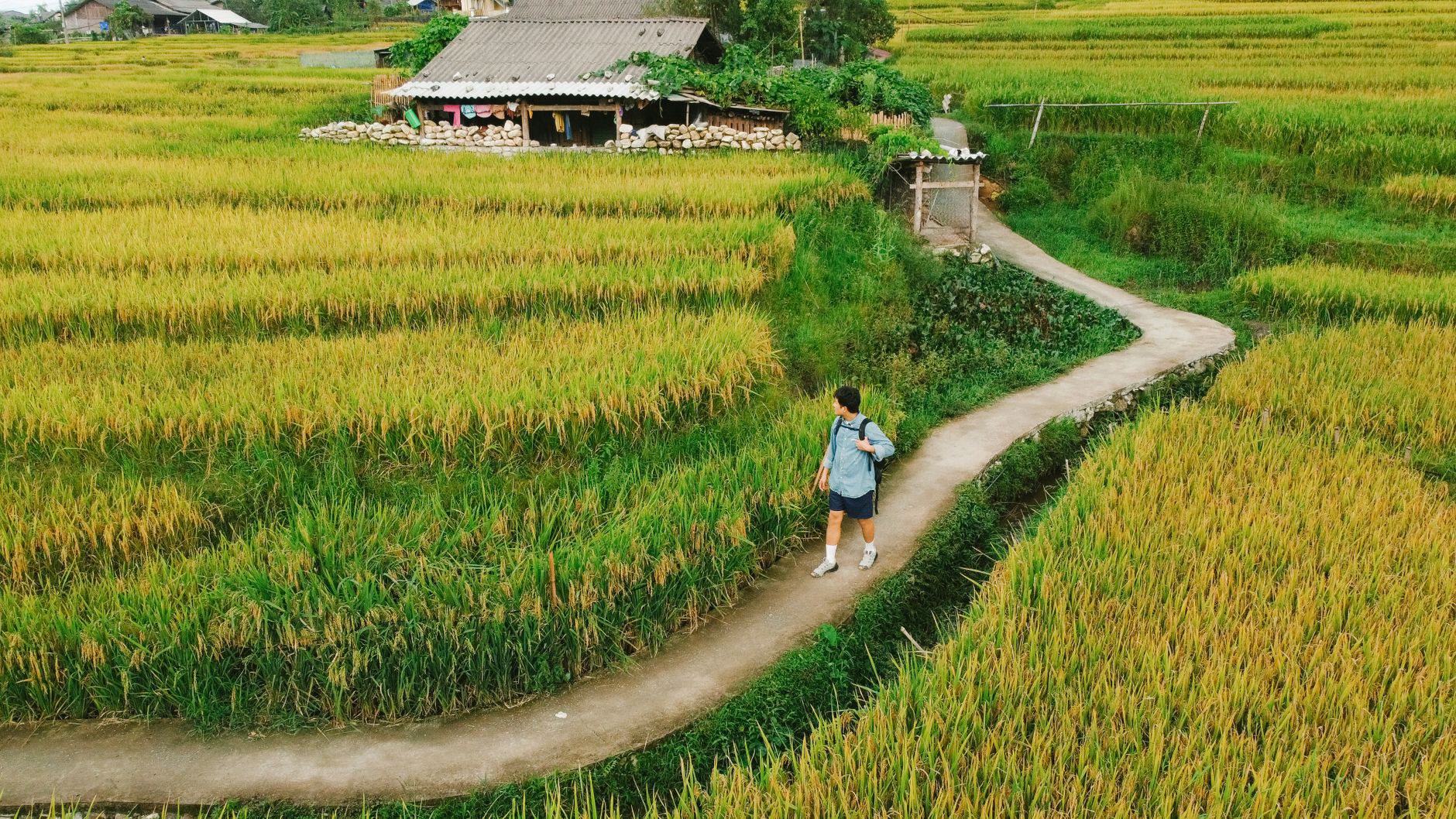
For most newcomers, four days is the sweet spot. Day one runs from Hanoi up to Ha Giang city. Days two and three cover Dong Van and the Ma Pi Leng pass, which is the heart of the trip. Day four brings you back down. Shorter trips feel rushed and you skip the places that matter most. Longer ones tend to wear riders out.
The most comfortable months run from September to November, and again from March to May. The skies are clear and mountain ranges stretch for dozens of kilometres. June to August brings rain and landslides that can block a road for hours. Check the forecast before you go, and keep your dates flexible if you can.
Highland weather changes fast. We have seen riders start in bright sun and find thick fog on the pass by mid-afternoon. When cloud drops low, we advise guests to stop early and rest at a homestay rather than push on in poor visibility. Nobody has ever regretted an early night in a mountain village.
What a Riding Day Looks Like
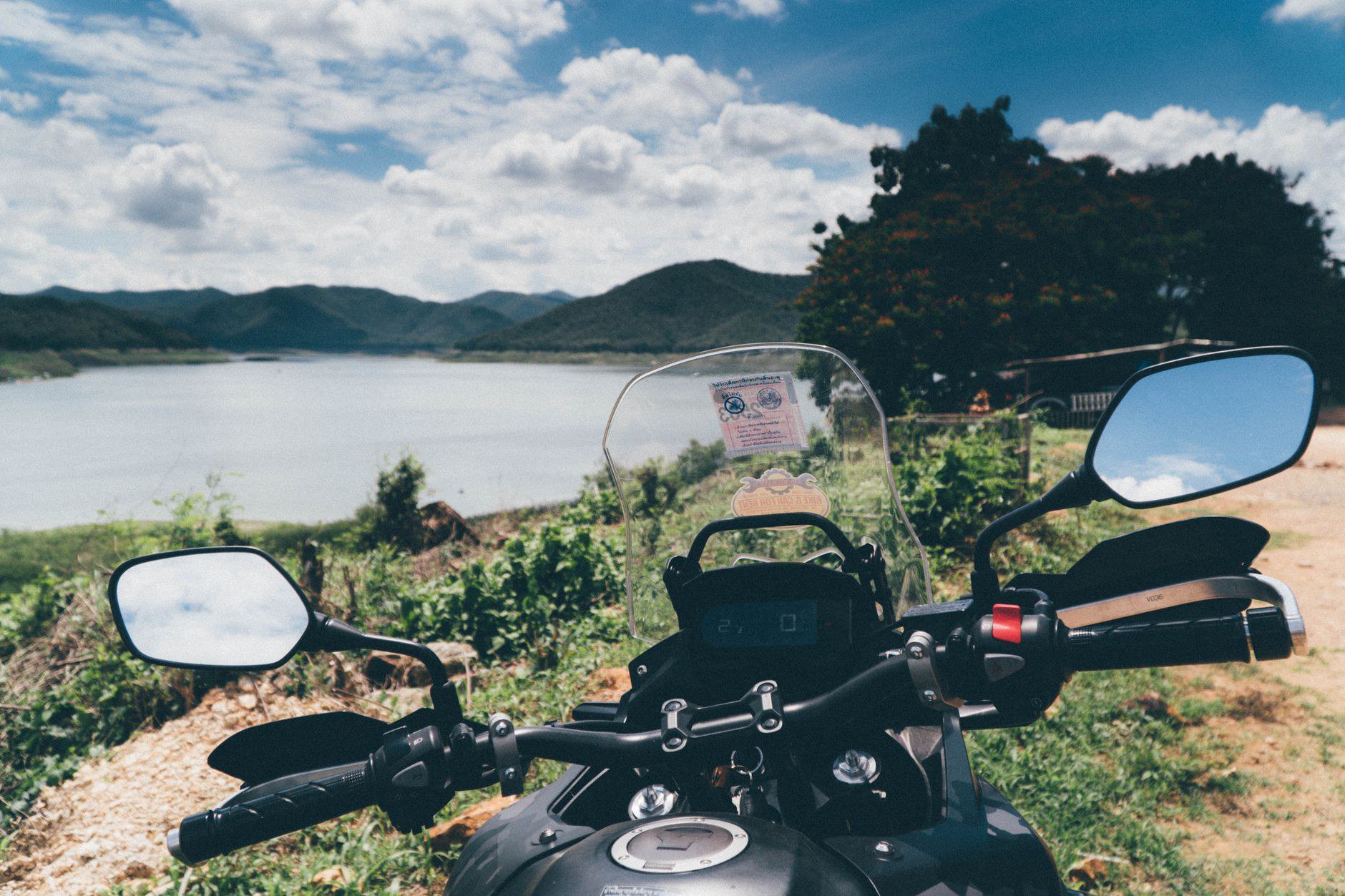
On day one you leave Hanoi and cover roughly 300 kilometres to Ha Giang city. It is a long run, so start early. Rest stops line the way, but do not let them pile up until the light is already fading.
Days two and three are where the loop earns its reputation. The Dong Van plateau, the Ma Pi Leng pass and the flag tower at Lung Cu all sit on this stretch. Ma Pi Leng runs along a steep drop, so keep your throttle steady and resist staring into the canyon. Lung Cu marks the northernmost point of the country. Arrive early to avoid the crowds and the worst of the midday sun.
Day four is the return leg, and we always leave a buffer. If a bike breaks down or a road closes after a storm, you still have room to adjust without rushing the descents.
What to Budget
Motorbike rental usually runs between 150,000 and 250,000 VND per day, depending on model and season. Fuel for the full trip often comes to 300,000 to 500,000 VND. A homestay bed in Dong Van or Yen Minh typically costs 200,000 to 400,000 VND a night, and eating at local places keeps meals to about 150,000 to 250,000 VND a day.
- Insurance and small repairs along the way
- Entry fees at some sights
- Tips for guides or support drivers
These are the costs people forget. If you ride in a group, set up a shared fund at the start so nobody chases receipts at the end. Saving money should never mean cutting corners on safety, though. A cheap helmet or a bike of unknown condition is not a place to economise, even if it saves a few tens of thousands of dong.
Riding Yourself or Joining a Group
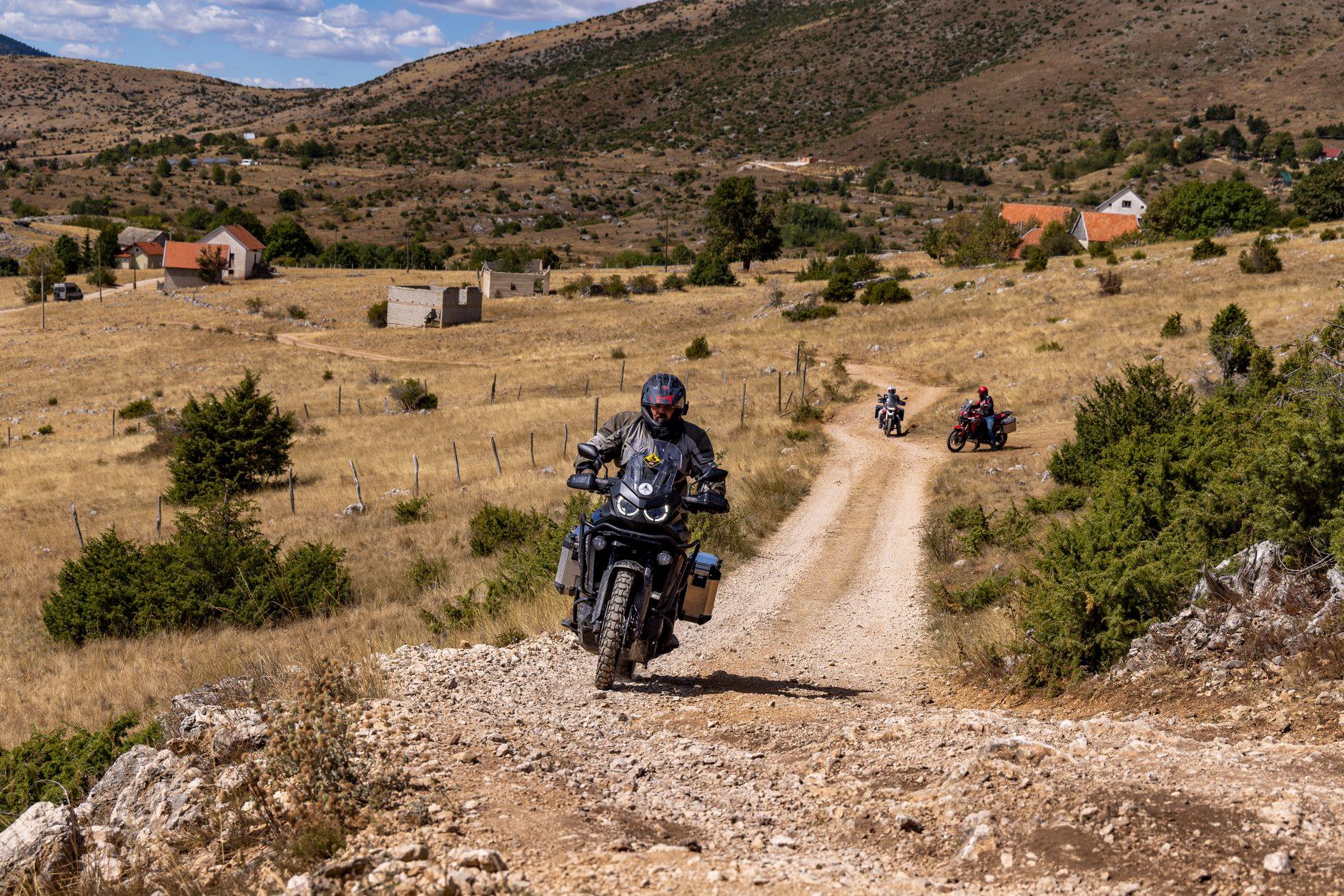
Riding yourself gives you the freedom to stop anywhere, but it demands confidence on a manual bike, comfort on steep bends and the ability to handle surprises. A group tour gives you a guide, a support vehicle and a prepared route, with the trade-off that you ride at the group’s pace.
Before paying a deposit, ask the operator a few direct questions. Are the bikes insured? Who helps if a bike fails halfway up a pass? Is a support vehicle following the group? Clear answers usually signal a well-run operation. If you would rather hand over the bikes, route planning and on-road support to a team that does this every week, take a look at the ha giang motorbike tour 4 days tại MrBiu Ha Giang Loop package and read its inclusions carefully before confirming.
Gear for Mountain Roads
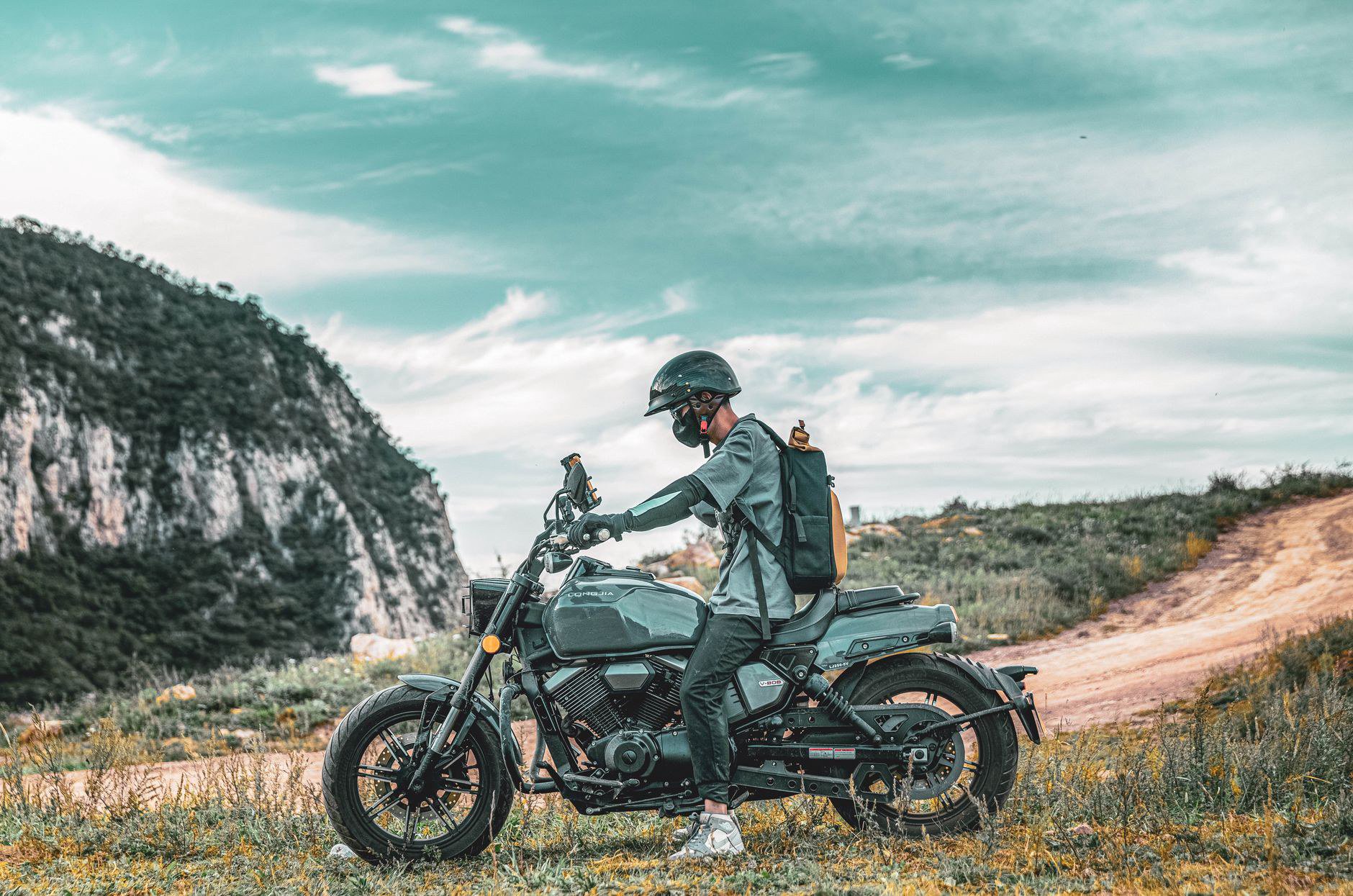
A certified helmet is non-negotiable. Gloves and a windproof jacket keep you comfortable when the road climbs. In autumn and winter the passes can drop below 10 degrees in the early morning, so wear several thin layers rather than one heavy coat that restricts movement.
Because your luggage rides with you, pack light. A medium backpack, a waterproof bag and a few essentials are usually enough. Charge your phone fully, bring a power bank and download offline maps, since signal is weak on many stretches of the pass. If you are sorting out connectivity before you fly, our notes on esim du lịch nước ngoài nên dùng loại nào cover the practical choices.
Staying Safe Through Tight Bends
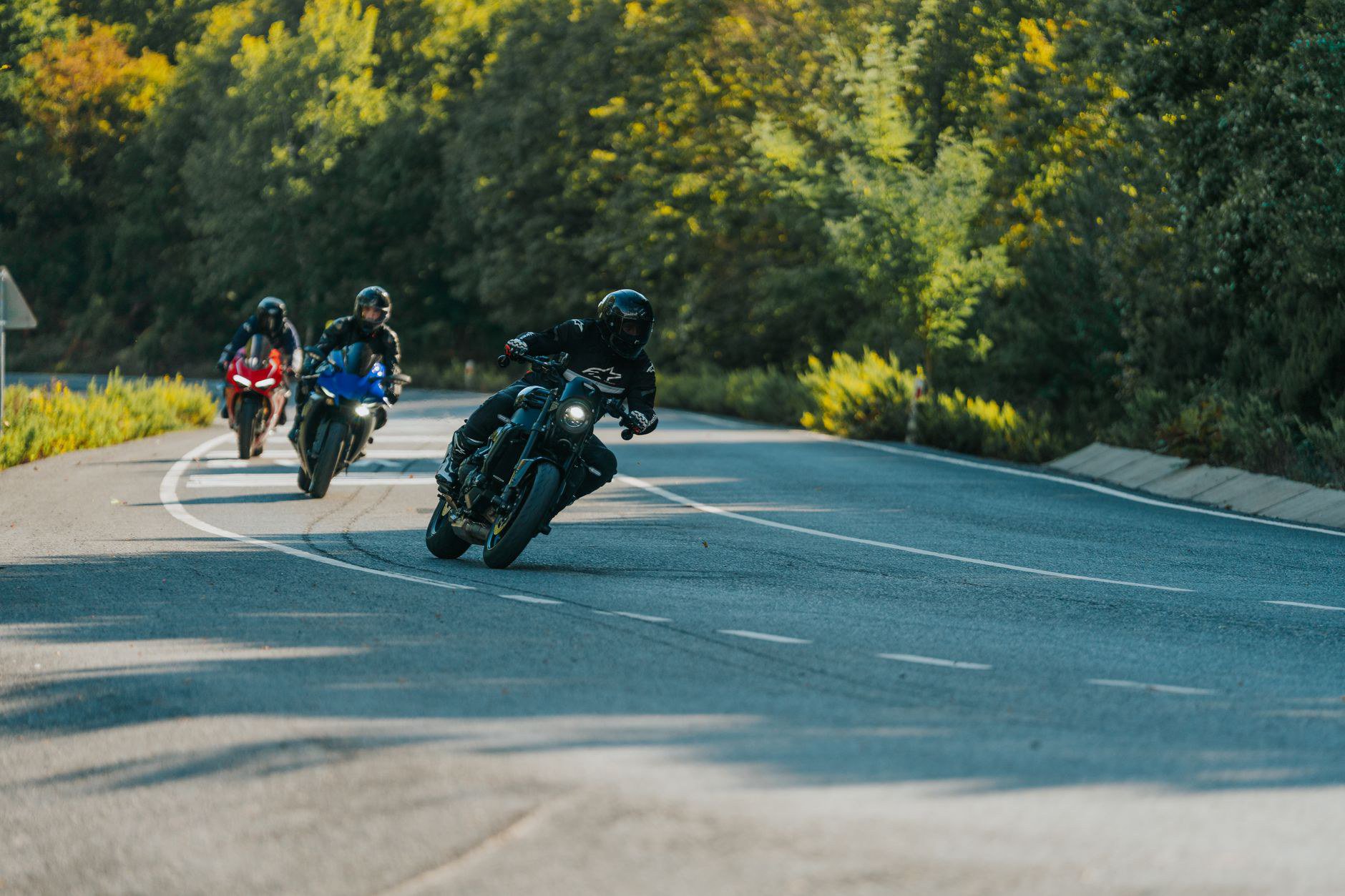
The most frequent error we see is going too fast on descents and into corners when the view ahead is limited. Slow down before the bend, not in the middle of it, and keep a sensible gap from the bike in front.
Fatigue creeps up quietly. After about two hours of continuous riding, reactions start to slow, so take a ten to fifteen minute break to drink water and stretch. When you pass villages where ethnic minority families live, behave respectfully: ask before photographing people, avoid parking in front of house entrances and dress modestly.
Where to Stay and What to Eat
Homestays in Dong Van and Yen Minh are usually simple but cosy, and many hosts cook dinner for their guests. Small hotels in the towns offer a little more comfort. In peak season, book a few days ahead, because rooms near the centre go quickly.
Dishes worth trying include thắng cố, cơm lam (sticky rice cooked in bamboo), smoked buffalo meat and corn liquor. Local eateries are often cheaper and tastier than places aimed at tourists, so ask the owner what is freshest that day.
Frequently Asked Questions
Do I need a motorbike licence for a Ha Giang tour?
If you ride yourself, you need a valid licence matching the engine size of the bike. If you join a guided tour you can ride pillion, but still check the operator’s requirements carefully.
Is Ha Giang safe for riders who are new to motorbikes?
It can be, provided you prepare properly, ride slowly and rest regularly. Riders not yet comfortable on mountain roads should travel with a support vehicle or choose a guided tour.
When is the best time of year to ride the loop?
September to November and March to May bring the clearest skies and the lowest risk of landslides, which is why we recommend these windows most often.
If you are planning the trip, start by choosing your dates and setting a realistic budget. Once those two decisions are clear, picking an operator and an itinerary becomes much easier.