
Where to exchange money for travel is the question we hear most from people planning their first independent trip. Stepping out of the airport in a foreign country is already stressful enough. If you also have to worry about getting shortchanged on the exchange rate, the pressure piles up fast. And yes, some places will happily overcharge you.
Where to exchange money for travel without losing value
In general, large banks and reputable currency exchange offices give better rates than small kiosks in busy tourist zones. Digital wallets are convenient too, but each platform charges its own conversion fees, so read the fine print before you rely on one.
When we help travelers plan, we usually suggest comparing three options. Each has its place, depending on how much cash you need and how fast.
- Major banks: transparent rates, but you can only transact during opening hours.
- Professional exchange offices: rates are often sharper, so ask two or three places before you commit.
- Digital wallets: handy when you need cash quickly, but check the conversion fee first.
What about the airport? Let us be direct: this is usually the most expensive place to change money. Airport counters know you are in a hurry, so the rate tends to be weaker and a service fee often gets tacked on. If you really have to exchange here, keep it small, just enough for a taxi or a bottle of water on day one.
The simple rule we apply on most trips is this. Change only enough for the first day, then exchange the rest in the city center, close to where you are actually staying.
Money mistakes first-time independent travelers often make
Many first-timers want a sense of security, so they change a large sum back home and carry it around. It feels safe at first, but walking around with a thick stack of cash is risky. Lose the bag and the money is gone for good.
Another trap is looking only at the advertised rate and forgetting the fees. A counter can display an attractive number, yet once a fixed charge or percentage cut is deducted, you may end up with less than at the stall next door.
Also check the condition of your notes. In many countries, torn, dirty, or unusually large denominations get refused by small shops. One member of our team once carried a pile of high-value notes into a local eatery. The staff turned them away, and she had to hunt for a place to break them into smaller bills.
Comparing your options: banks, exchange offices, foreign ATMs and cards
Each method has strengths and weaknesses. Picking the right one can save you a surprising amount.
Exchanging physical cash at a bank or exchange office usually gives a reasonable rate. The catch is that you then have to carry that cash throughout the trip. Withdrawing from a foreign ATM is very convenient because you get local currency immediately, and the rate often stays close to the market. Still, your card issuer may charge a foreign withdrawal fee, and some machines add their own surcharge on top.
So when does an ATM make sense? From experience, if your card is accepted and the fees are reasonable, withdrawing from an ATM is usually safer than carrying a large sum of cash.
When reading a rate board, pay close attention to the buy and sell columns. The buy rate is what the shop pays you when you sell foreign currency to them, and it is always lower. The sell rate is what you pay when you buy foreign currency, and it is higher. If you are converting your home currency into foreign money, look at the sell column. Misreading the columns is one of the easiest ways to lose money.
Where to find better rates in popular destinations

Every destination has its own money-changing habits. Here is what our team usually notices on independent trips.
In Taiwan and South Korea, the city centers often have several reputable exchangers competing with each other, so the rates tend to be fairly fair. Busy tourist districts are different. Prices creep up there because shops know visitors have fewer options.
In Singapore and Malaysia, choose counters that clearly display their fees and the gap between buy and sell rates. If a place hides this information, be careful. A rate that looks amazing with no fee information is a signal to slow down and read everything.
In Europe, we recommend using ATMs from large banks rather than exchange booths at train stations or tourist spots. Station counters almost always rank among the priciest in their area. Walk a few blocks away from the crowds and you will often notice the difference right away.
One important habit: once your itinerary is set, check the typical rates for each destination in advance. Do not wait until you are standing at the counter to start doing the math.
How to avoid bad airport exchange rates
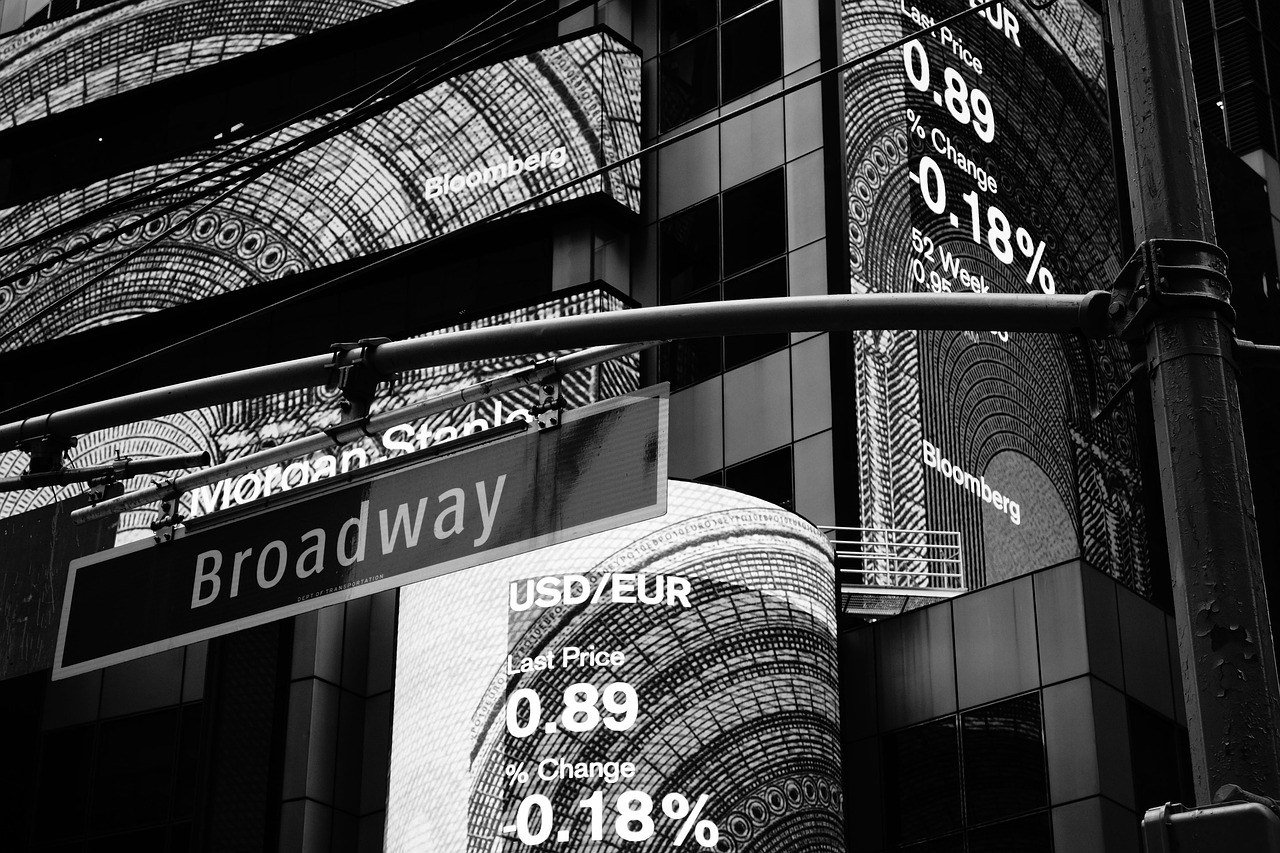
This is the part we most want you to read carefully. Airports are where bad rates hit hardest, but they are also the easiest to avoid if you prepare.
The approach is simple. Exchange a small amount to cover immediate costs such as a taxi, a local SIM card, and your first few meals. Then wait until you reach the city center and change the rest at a bank or a trusted exchange shop.
Expensive airport counters usually give themselves away. The rate is noticeably weaker than elsewhere, a high fixed fee appears, and the staff push you to exchange right away. When you spot these signs, take a breath and keep walking.
Airport ATMs need caution too. Your card issuer may charge a foreign withdrawal fee, and the machine operator may add its own surcharge, and the two can stack. Before you withdraw, check your bank’s fee schedule. It is a simple step, yet many people skip it.
What money exchange really costs: a five-day trip example
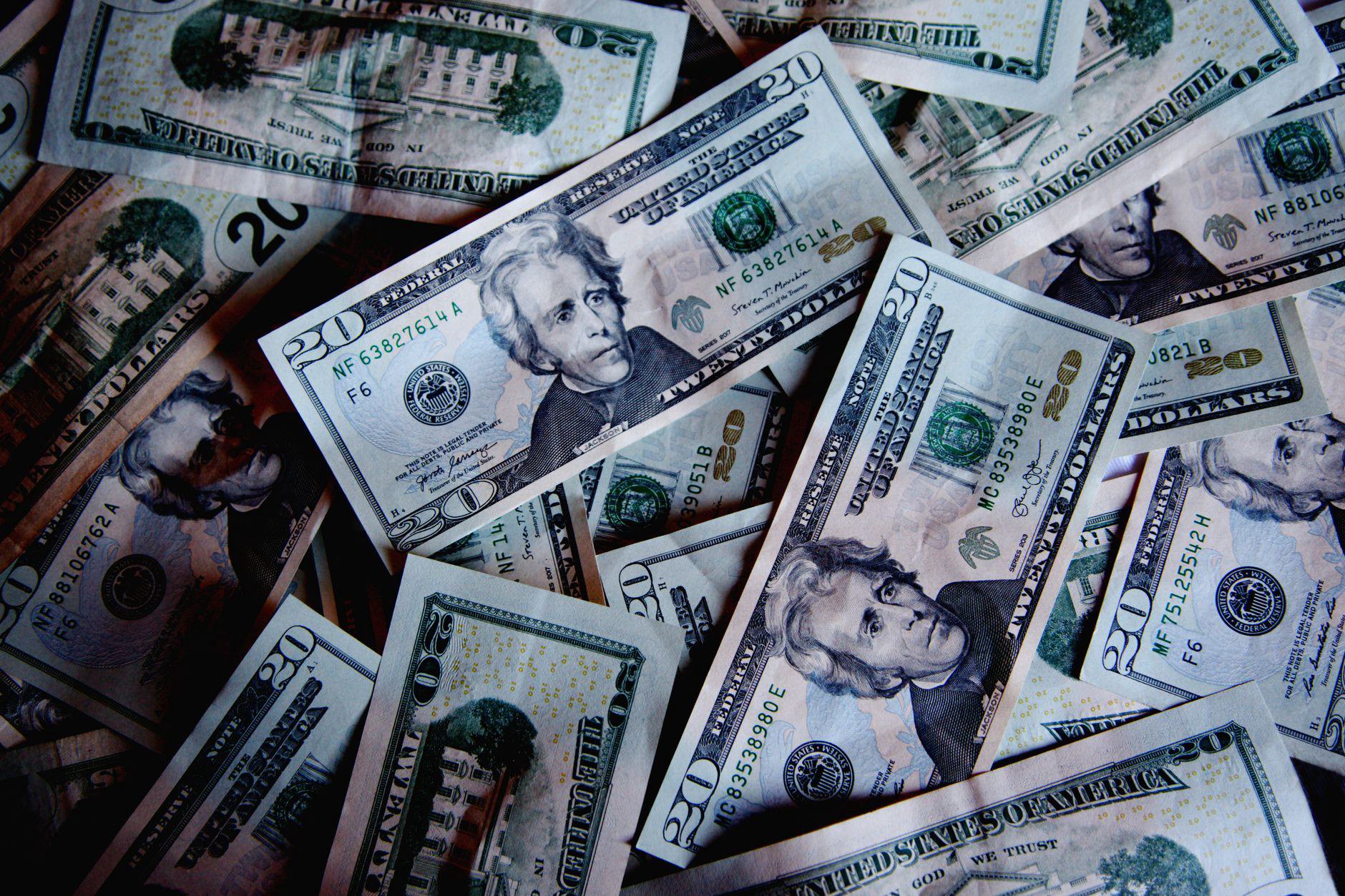
A concrete example makes the difference clearer. Suppose you exchange 10 million VND into foreign currency for a five-day trip. Our team once tested this same amount at two places: a currency shop in the city center and a counter near the airport.
At the city shop, the rate was slightly better and there was no fixed fee, so the traveler received more foreign currency. At the airport counter, the rate was weaker and a service charge was added on top. Across the full amount, the gap came to several hundred thousand dong, roughly the cost of one or two days of food.
What does that tell you? Exchanging money can seem like a small task, but losses add up when the same mistake repeats throughout the trip. Before you leave, write a simple budget. List your main expenses, estimate how much cash you will actually need, and split your exchanges into several rounds rather than converting everything at once.
Preparing cash, cards and a backup fund for independent travel
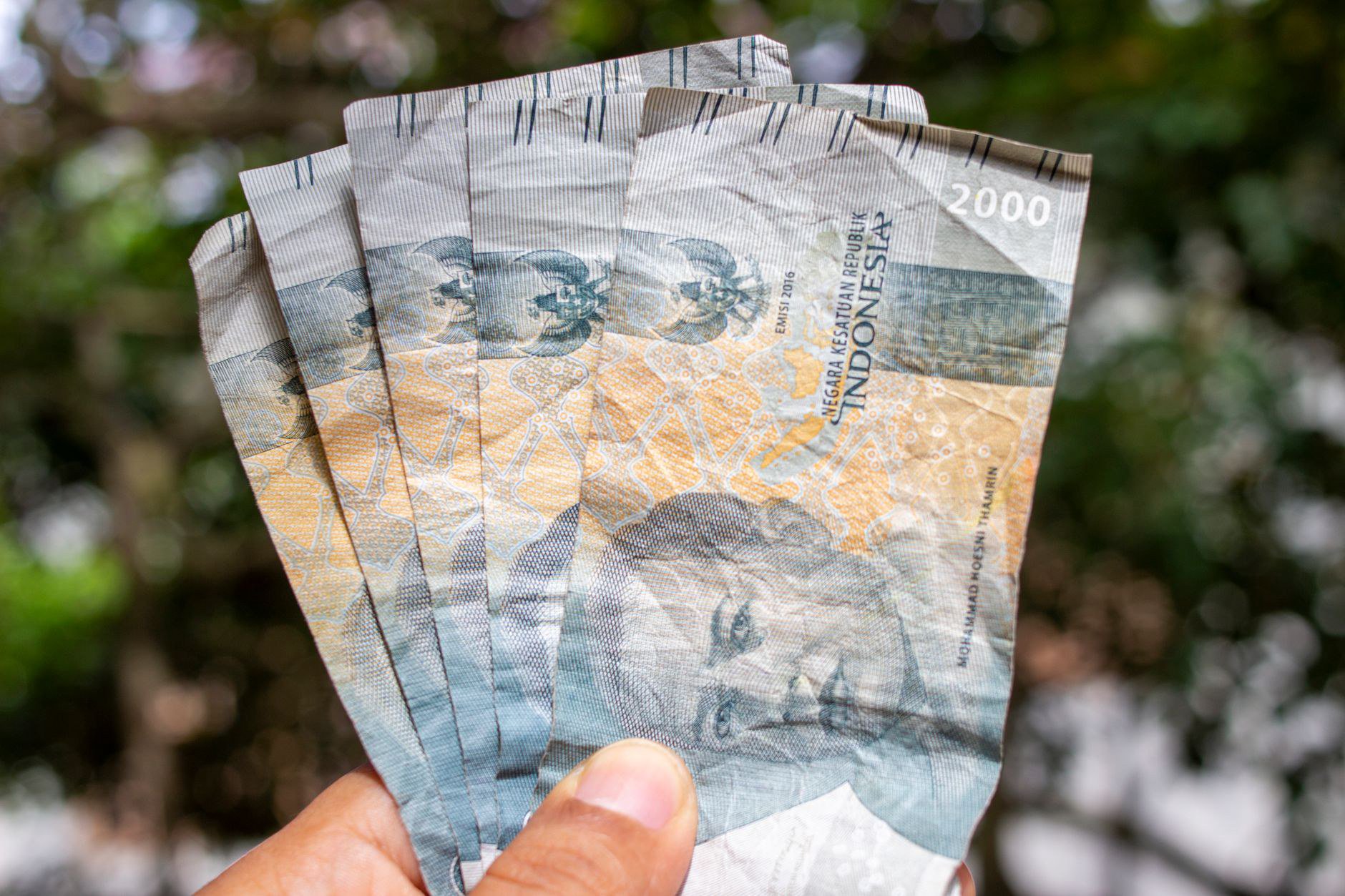
Keep your cash, cards and emergency money in separate places. Putting everything in one wallet is a common beginner mistake, and spreading your funds is a core principle of independent travel.
Bring at least two international payment cards if you can, ideally one credit card and one debit card, in case one gets blocked or swallowed by a machine. Carry enough cash for the first few days and split it across pockets or compartments rather than keeping it all in one spot.
As a general guideline, we suggest carrying about one to two days of spending in cash. That is usually enough to cope when a small shop does not accept cards. For the rest of the trip, rely on cards or ATM withdrawals.
On a first independent trip, it is easy to forget things that have nothing to do with money. If you want a broader checklist, you can read kinh nghiệm xin visa Đài Loan tự túc lần đầu for the paperwork side of planning, and How to Check Visa Requirements Before You Book a Trip to confirm entry rules before you book. For a wider look at what to prepare, the NerdWallet guide to foreign transaction fees explains how card charges work abroad.
Frequently asked questions
Should I exchange money in Vietnam or wait until I arrive abroad?
In most cases, exchanging abroad at a reputable city shop or through a large bank’s ATM works out better. Only change a small amount in Vietnam, enough for the first few days, so you are not scrambling when you land.
Is it a good idea to exchange money at the airport when I arrive?
Only a small amount. Airport counters usually offer weaker rates and higher fees, so most of your money should be exchanged elsewhere.
How much cash should I carry on an independent trip?
It depends on the destination and your spending habits, but we usually suggest one to two days of expenses in cash. Handle the rest with cards or ATM withdrawals.
Will shops refuse torn or damaged bills?
They can. Many small shops reject torn, dirty, or unusually large notes. Exchange at a trustworthy place and check each bill before accepting it.
Do international cards charge a currency conversion fee?
Usually, yes. Your card issuer may charge a percentage on each foreign-currency transaction. Before you travel, read your bank’s fee schedule so you know the real cost.