
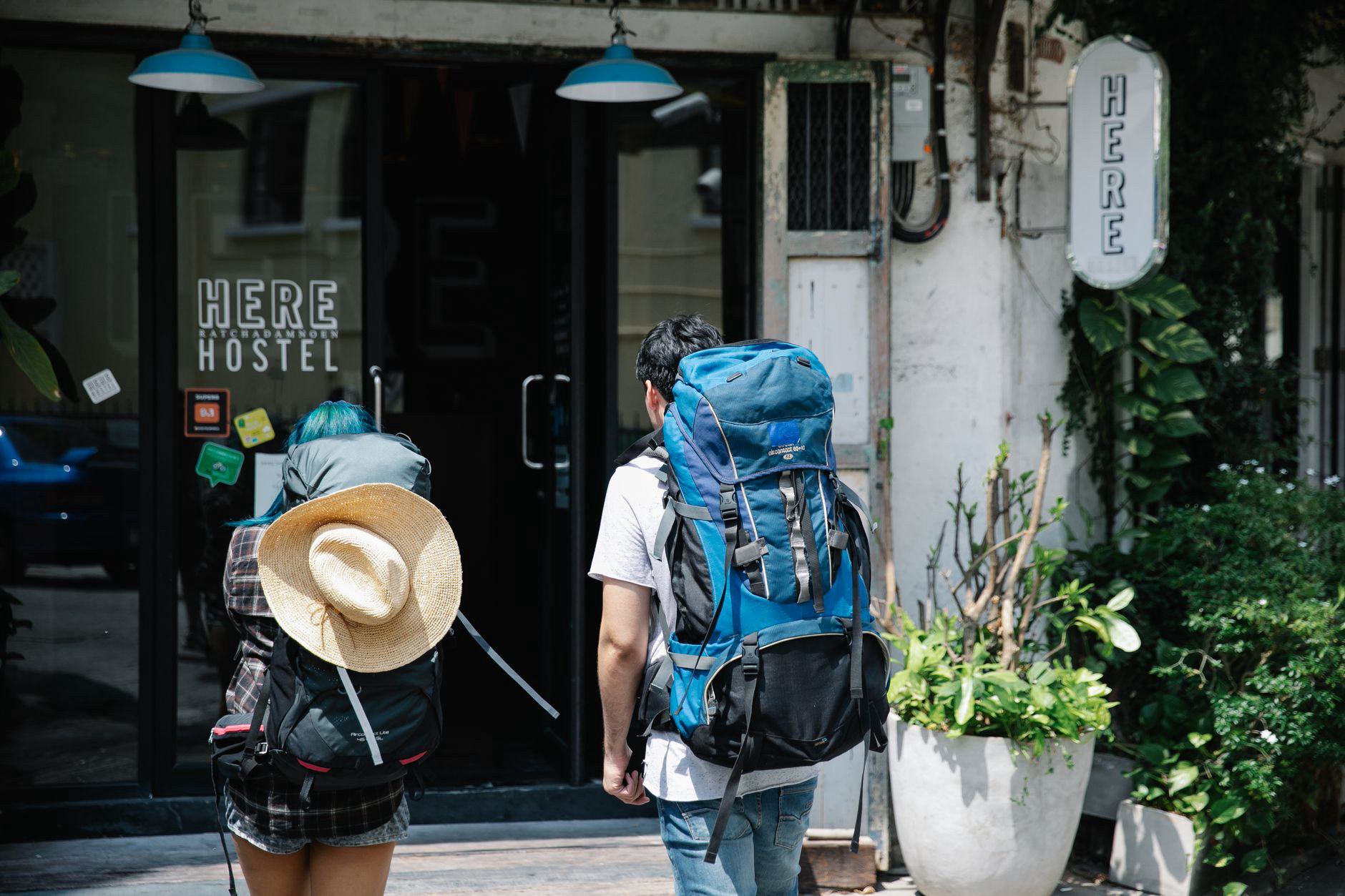
Every time we plan a self-guided trip, the first question our team gets from readers is the same: how do you choose accommodation for backpacking that keeps costs down without making the trip miserable? The short answer is that most independent travellers do best with a hostel or homestay, usually in the range of 150,000 to 400,000 VND per night, and with a preference for places close to a train station or metro line. We have used this approach across several cities, and it still gives the best balance between cost and convenience.
A three-star hotel makes sense when you are travelling as a couple, or when you need a quiet room to work remotely. But the cheapest option is not always the smartest one. What really matters is the total cost of getting around, plus the time you lose each day. A cheap room far from the centre can end up costing more, a little every day, until the bill adds up over the whole trip.
Mistakes we see most often when people choose by price alone
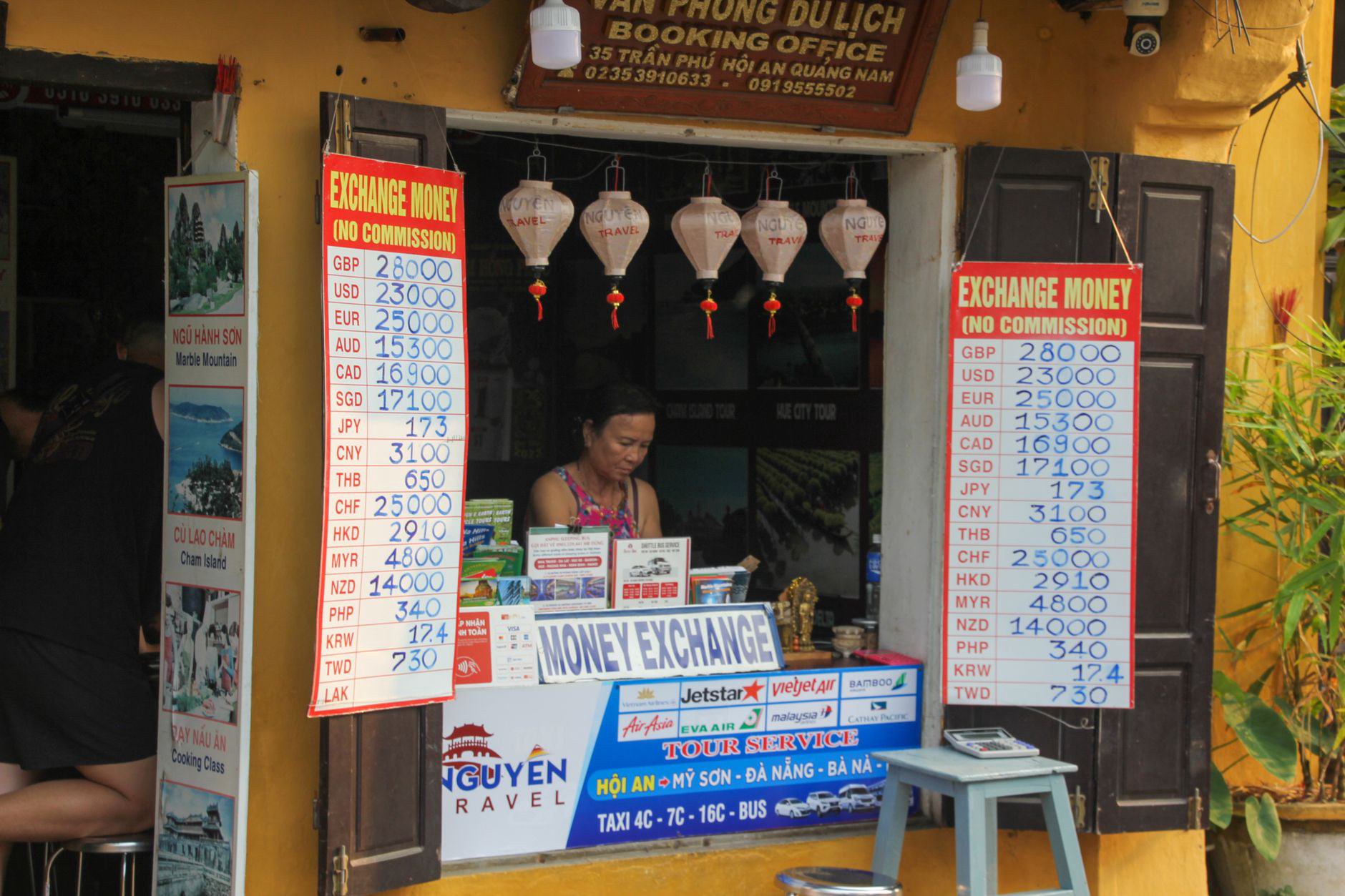
The most common mistake first-time backpackers make is picking a room far from the centre to save money. It sounds sensible. You might save around 50,000 VND on the room each night. But if you then spend 200,000 VND a day on taxis to get back and forth, you are actually losing 150,000 VND a day, not counting the exhaustion.
The second mistake is ignoring the map and judging only by photos and star ratings. Photos are always taken from the most flattering angle. A map shows you where the place actually sits in relation to the things you plan to see.
The third mistake is forgetting extra fees. Taxes, cleaning charges, luggage storage and similar costs quietly pile up. Before you confirm, ask for the final total you will actually pay.
The three main options: hostel, homestay and hotel

A hostel is usually a bunk in a shared room, sometimes with six to eight people in the same space. Hostels suit solo travellers who want to meet other people, and they are the cheapest way to stay in a central area. The trade-off is that privacy is almost non-existent.
A homestay means staying with a host family, often in a small private room. You see everyday local life up close, and it is usually quieter than a hostel. Hosts also tend to recommend good local food spots, the kind of tip that rarely appears in online reviews.
A small hotel or serviced apartment gives you the most privacy. If you are staying several nights, look for a place with a kitchen or a washing machine. The savings from cooking and doing your own laundry can be bigger than you expect.
Choosing by daily budget

Below 300,000 VND a night, a bed in a dorm of six to eight people is often the sensible choice. At this price, recent reviews about cleanliness matter more than anything else, because shared rooms wear down fast.
Between 300,000 and 700,000 VND a night, a homestay or small hotel with a private room and air conditioning is usually the most balanced option. You keep control of your sleep schedule without paying a premium.
Above 700,000 VND a night, we only recommend it when there is a specific reason, such as a special occasion or a real need to rest. Otherwise that money usually goes further on food and experiences.
Why being near a train station or metro matters
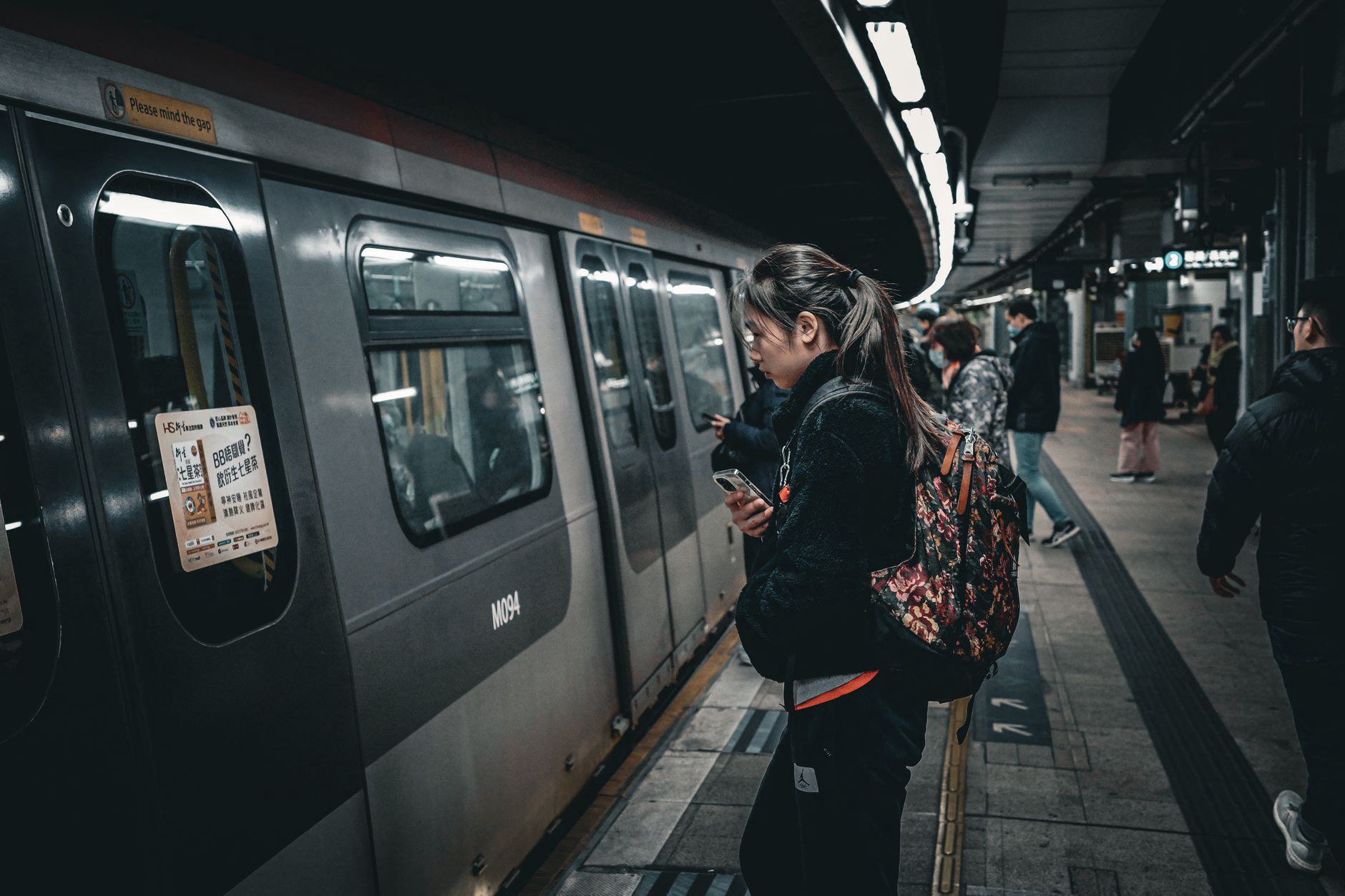
Staying near a train station, metro line or airport pick-up point means you can move around without hiring a car every time. This is the detail we see self-guided travellers overlook most often.
Check the walking distance to the station, ideally under 10 minutes. Also confirm when the last train or metro runs, especially if you plan to come back late. Some people arrive at midnight only to discover they are stranded.
Avoid areas served by just one bus route. If you miss that single bus, getting anywhere becomes very difficult.
Reference prices and amenities
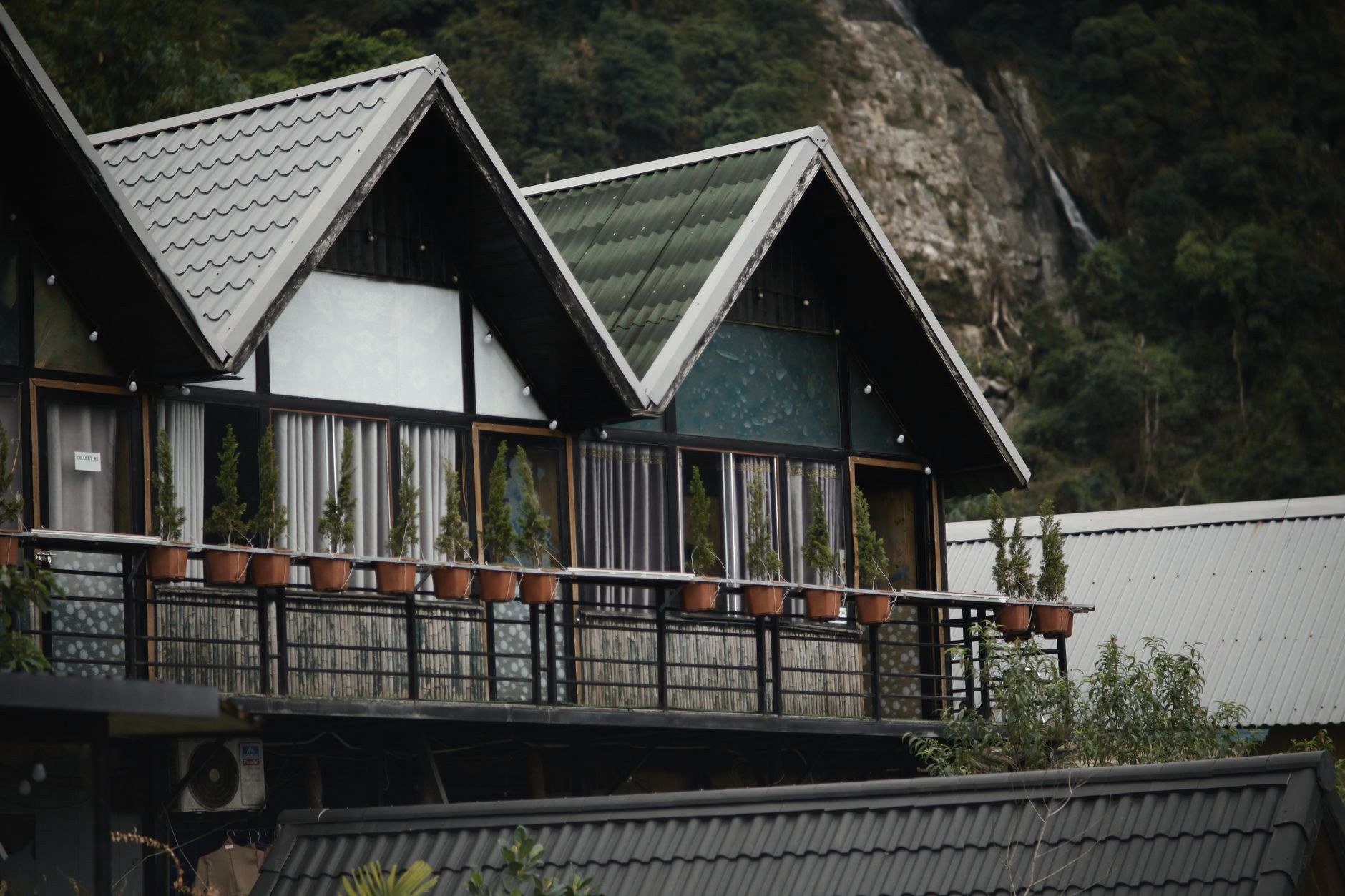
The table below shows indicative prices we observed in Hanoi, Da Nang and Ho Chi Minh City during 2025. Treat these as estimates and recheck when you book.
| Type | Indicative price | Usual amenities |
|---|---|---|
| Hostel bed | 120,000 – 250,000 VND/night | Shared kitchen, wifi, lockers |
| Homestay | 250,000 – 500,000 VND/night | Private room, often breakfast |
| 2-3 star hotel | 500,000 – 1,000,000 VND/night | Air conditioning, daily housekeeping |
Prices rise during peak season and on weekends, so do not lock your whole budget to a single number.
How to read reviews and check before you book
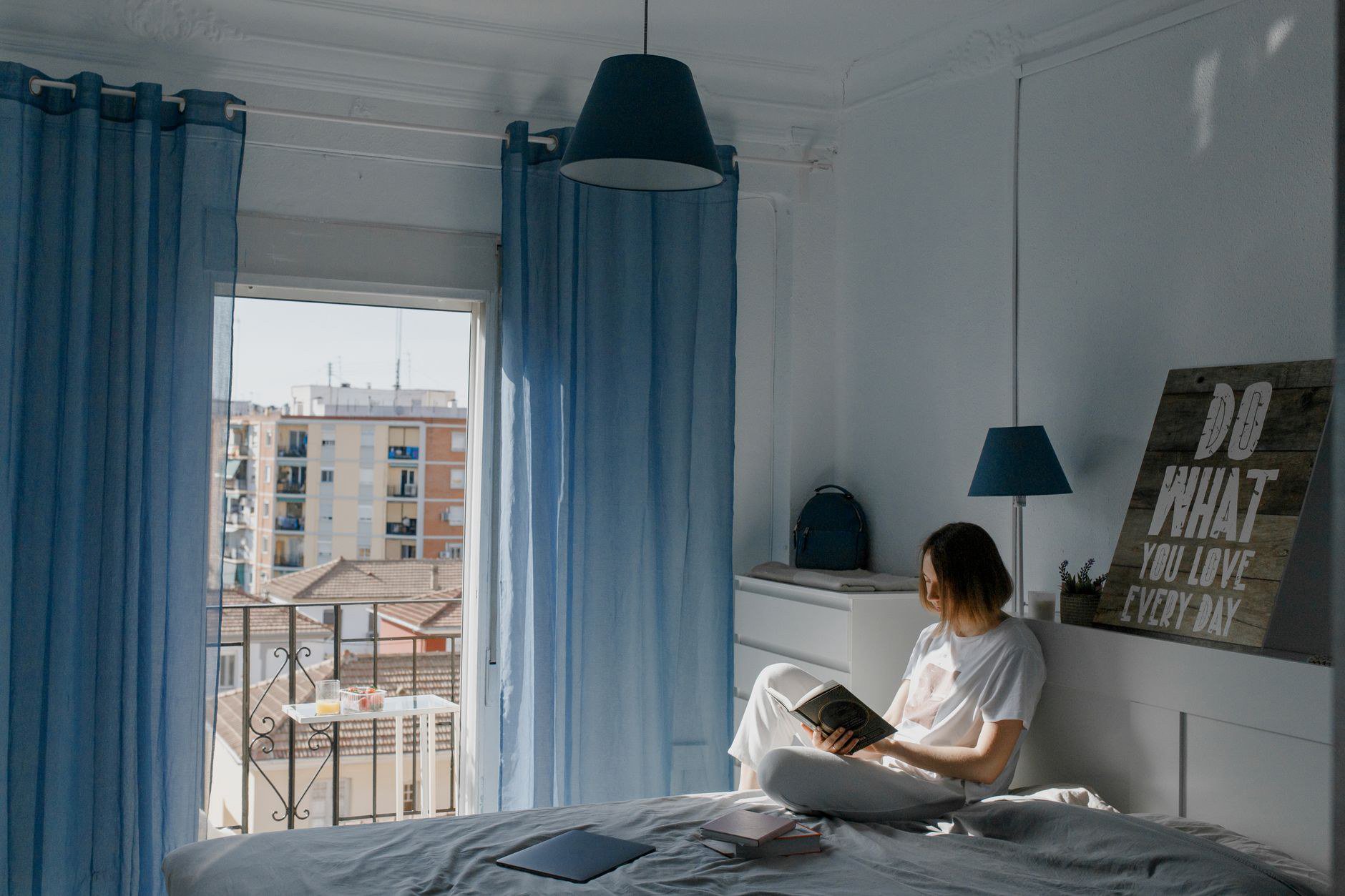
We usually look only at reviews from the last six to twelve months. Older feedback may describe a host or room condition that changed long ago.
When reading comments, watch for words like noisy, hot, humid or hard to find. These often point to practical problems that a nice photo never shows.
Before booking, ask the host about early check-in and luggage storage. If you arrive very early in the morning, that one small question can save you hours of waiting.
Booking tips that save money without much risk
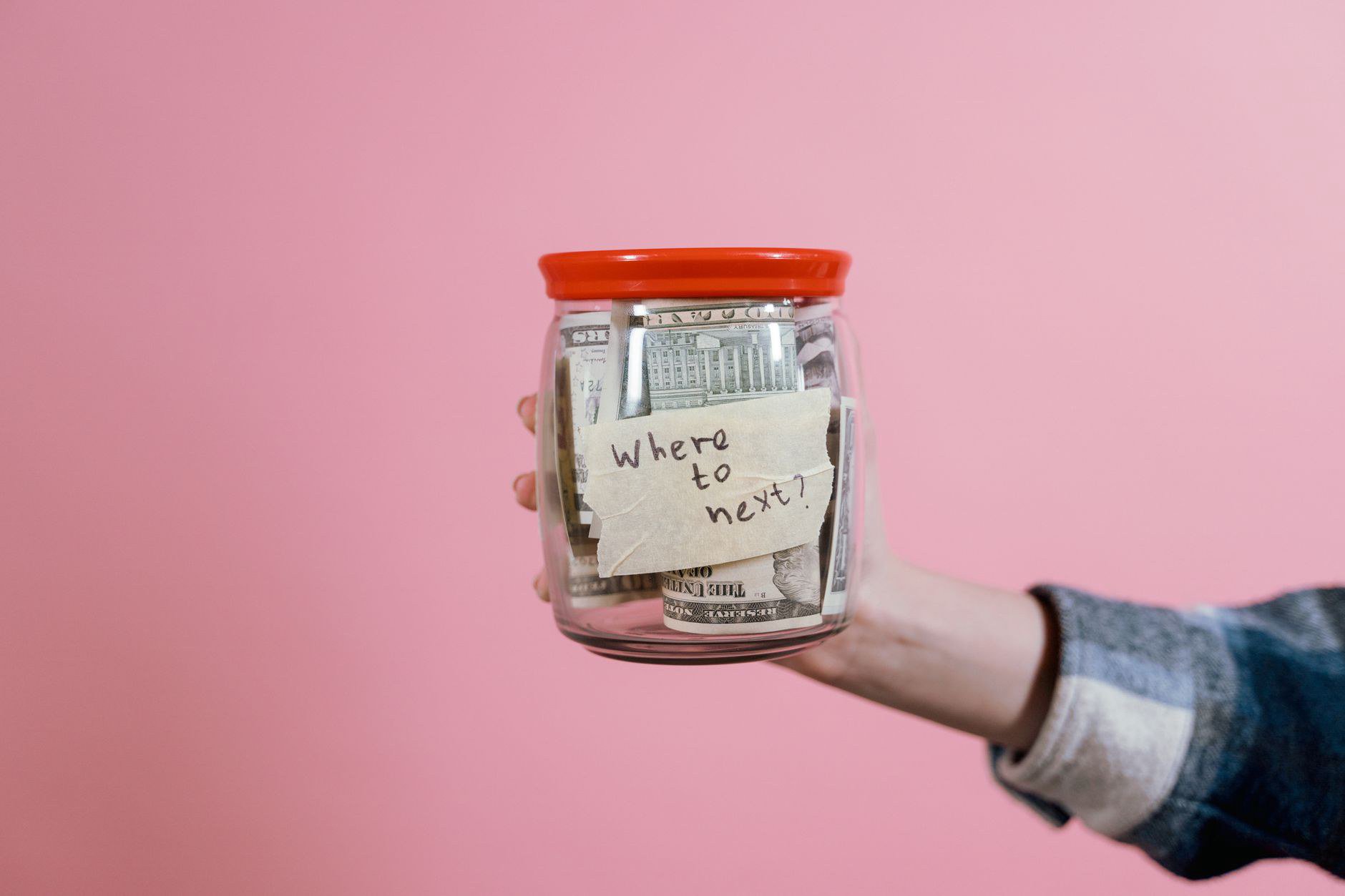
In low season, booking one to two weeks ahead is usually enough. In peak season, booking closer to the date can sometimes bring a better price, as long as the area still has rooms.
We often book just the first night in advance, then decide the rest once we understand the neighbourhood. Once you know the area, you can switch to a place that suits you better.
Keep your booking confirmation and the host’s phone number handy. If a flight delay means you arrive late, one phone call may be all it takes to avoid turning up to find nobody expecting you.
When a hotel is better than a hostel or homestay
If you combine work with travel, a hotel gives you a quiet room and a stable internet connection, which hostels rarely guarantee.
When travelling with older relatives, young children or anyone who needs step-free access, a hotel is often far more practical. You avoid stairs and crowded shared spaces.
When your budget allows and you would rather skip long queues at reception, a hotel is also a comfortable choice.
Preparing before you check in
Before leaving home, run through your checklist so you do not forget your booking confirmation, payment cards or personal medication. If you want a more complete list, you can read Du lịch Singapore tự túc cần chuẩn bị gì trước chuyến bay to round out your preparation.
Plan how you will get from the airport or station to your accommodation too. We have seen people arrive near midnight with no transport arranged, and it is genuinely stressful.
Frequently asked questions
Is a hostel safe for solo travellers?
Generally yes, especially if you choose a place with good reviews and personal lockers. Keep valuables secure and do not leave your phone on the bed while you sleep.
How far ahead should I book when backpacking?
One to two weeks is a reasonable window. In peak season, book a little earlier so you do not run out of rooms in the area you want.
Do homestays require a deposit?
It depends on the host. Many ask for a small partial deposit, with the rest paid at check-in. Ask about refund conditions before transferring any money.
Is it noisy to stay near a train station at night?
It can be. Places right next to the tracks or bus terminals tend to be louder. If you are sensitive to noise, look for a room deeper inside a quiet lane that is still a short walk from the station.
Should I book several nights at once or switch areas midway?
We usually book the first night and decide afterwards. Once you understand the area, you will know where to book next, and you avoid getting stuck somewhere you do not enjoy.