
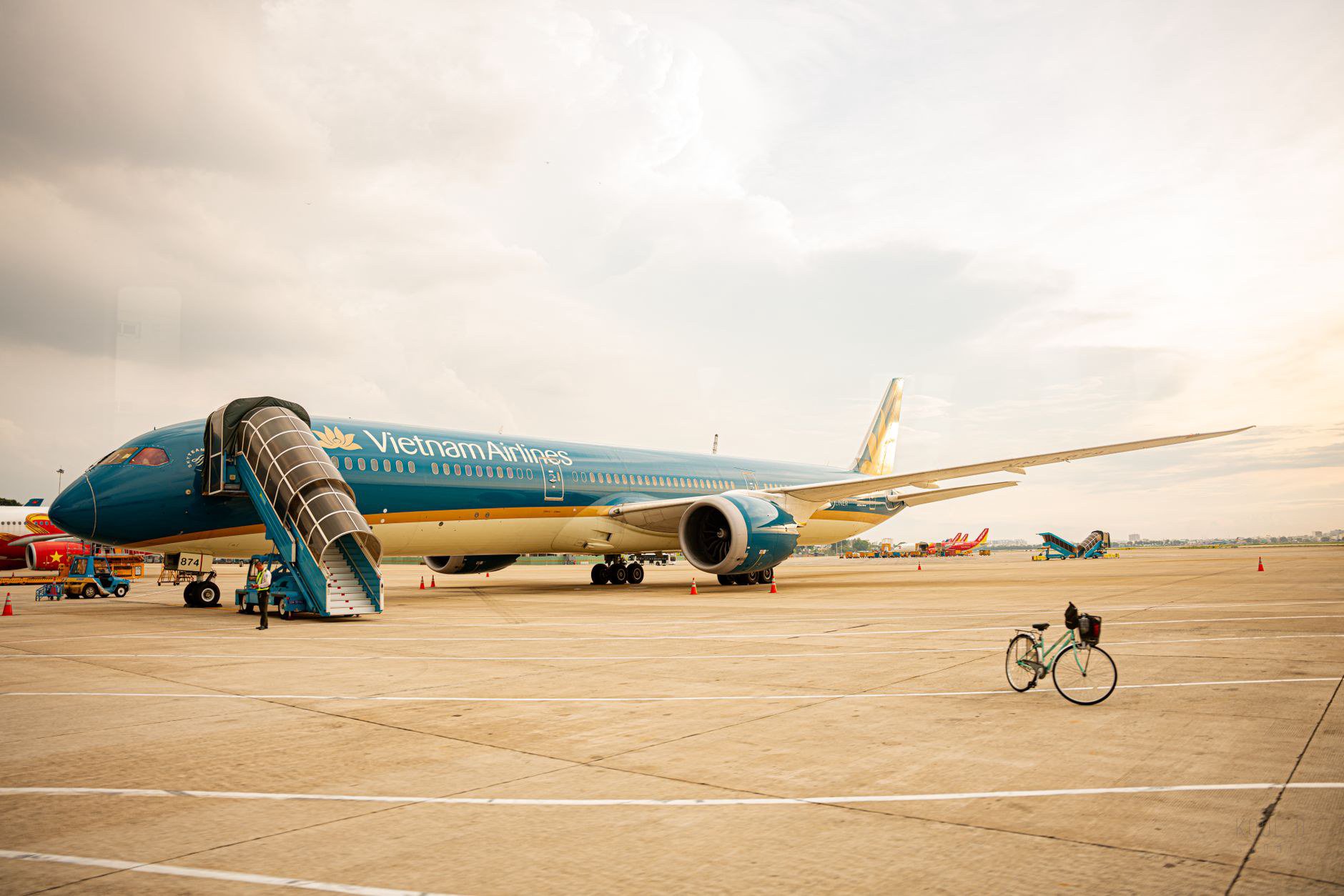
Nothing ruins a check-in faster than hearing your bag is three kilos over while a line builds up behind you. We’ve seen this happen more times than we can count, and it almost always comes down to a few details nobody checked before leaving home. So in this guide, we’ll walk through the checked baggage size for international flights most travellers run into, how airlines actually measure bags, and what to do when your suitcase is heavier than allowed.
How much can you check on an international flight?
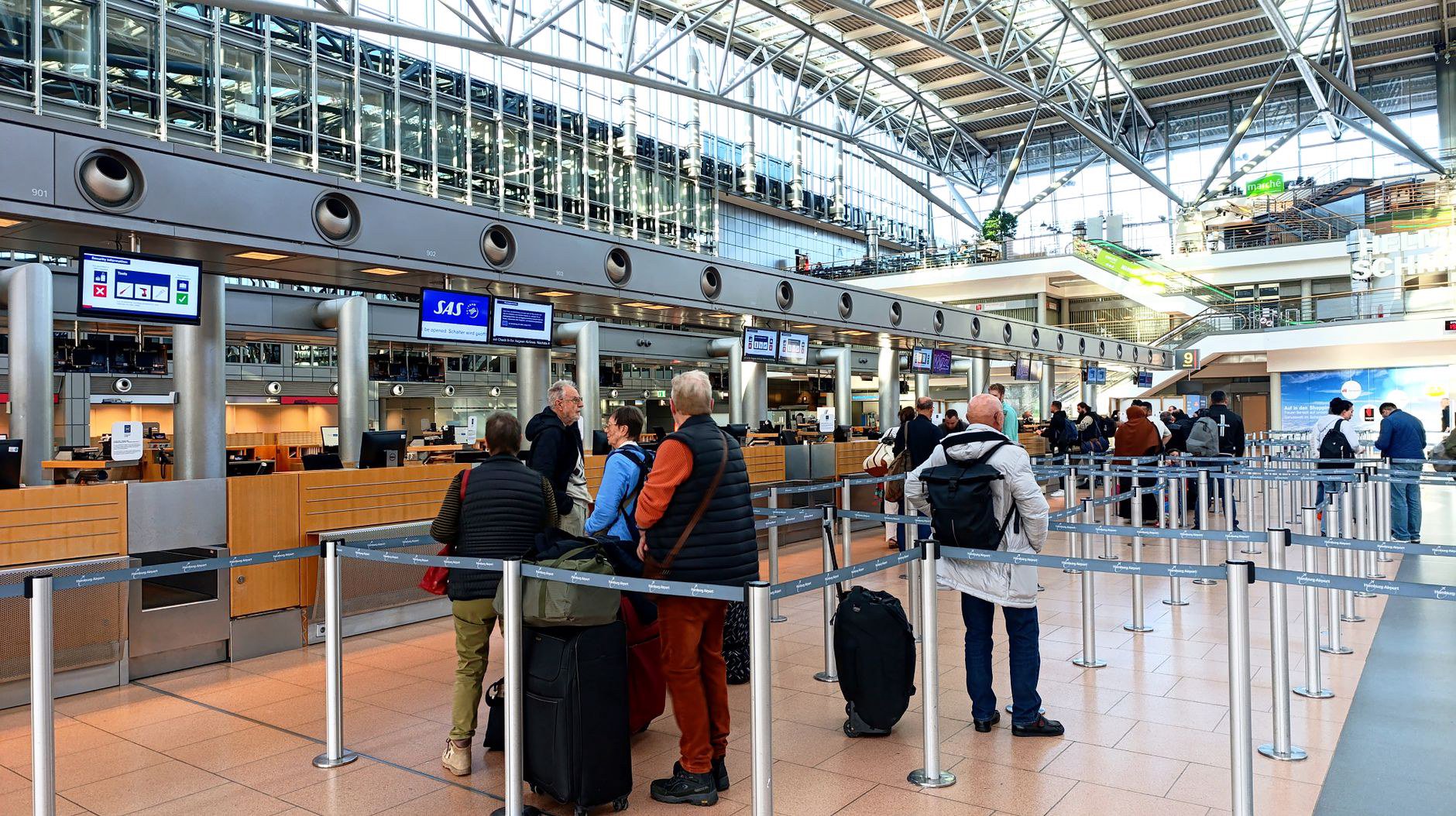
For most international routes, the standard allowance is 23 kg per checked piece. The total of length, width and height usually sits around 158 cm. That’s the number most people see on their booking, but it isn’t a universal rule, and it’s worth confirming for your exact route.
Cabin bags work differently. Most airlines cap them at 7 to 10 kg, with a common size of 55 x 35 x 25 cm. These go overhead, so carriers enforce those limits strictly. We’ve watched gate staff pull out measuring frames more than once, and nobody enjoys that moment.
One mistake we see constantly involves budget fares. They often exclude checked baggage entirely. Travellers book a cheap ticket, feel pleased with the deal, and then discover at the counter that a bag costs extra. Read what your fare includes before you pay, every time.
How do different airlines handle checked baggage?
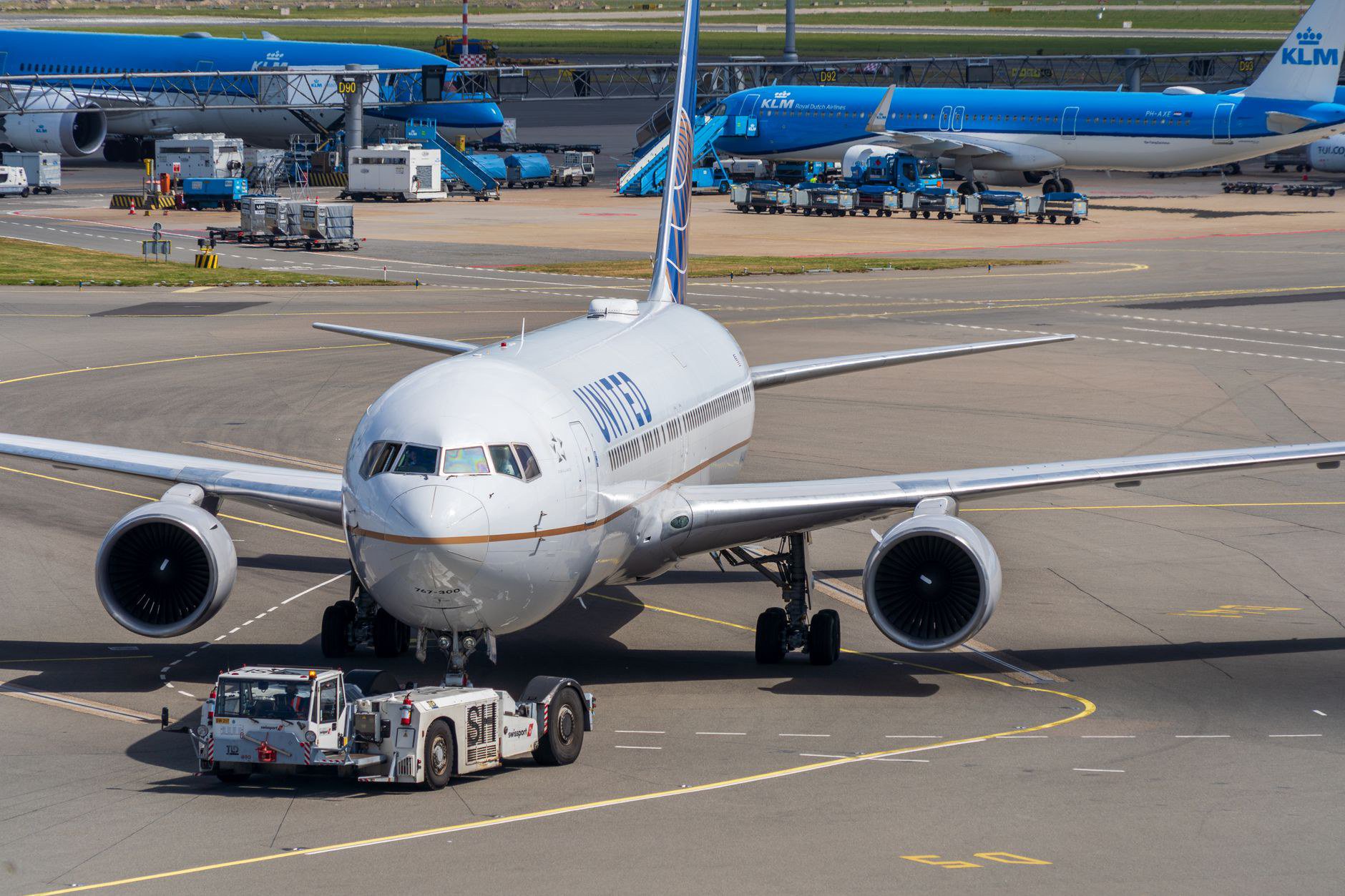
Every carrier counts pieces, weight and size its own way, so a rule that applies to one airline may not apply to another. The table below is a rough reference we put together from published policies. Check the official website before you fly, because policies change without much warning.
| Airline | Checked pieces (economy) | Max weight per piece | Notes |
|---|---|---|---|
| Vietnam Airlines | 1 piece on most international routes | 23 kg | Business class gets more pieces |
| Vietjet | Sold as add-on packages | 20 to 30 kg depending on package | Base fares usually exclude checked bags |
| Bamboo Airways | 1 piece | 23 kg | Read your fare carefully; extra bags often must be bought |
| Singapore Airlines | 2 pieces in economy on some routes | 23 kg each | Business can go up to 3 pieces |
| Cathay Pacific | 1 to 2 pieces depending on fare | 23 kg each | Rules vary a lot by route and cabin |
The biggest gap is between economy and business. Business passengers often get an extra piece and sometimes a higher weight limit. So don’t assume the rule printed on your friend’s ticket applies to yours.
Open the airline’s website or log into your booking to confirm the exact figures for your ticket. We’d rather you check than trust an old article, and that applies to this guide too.
How do you measure luggage size correctly?
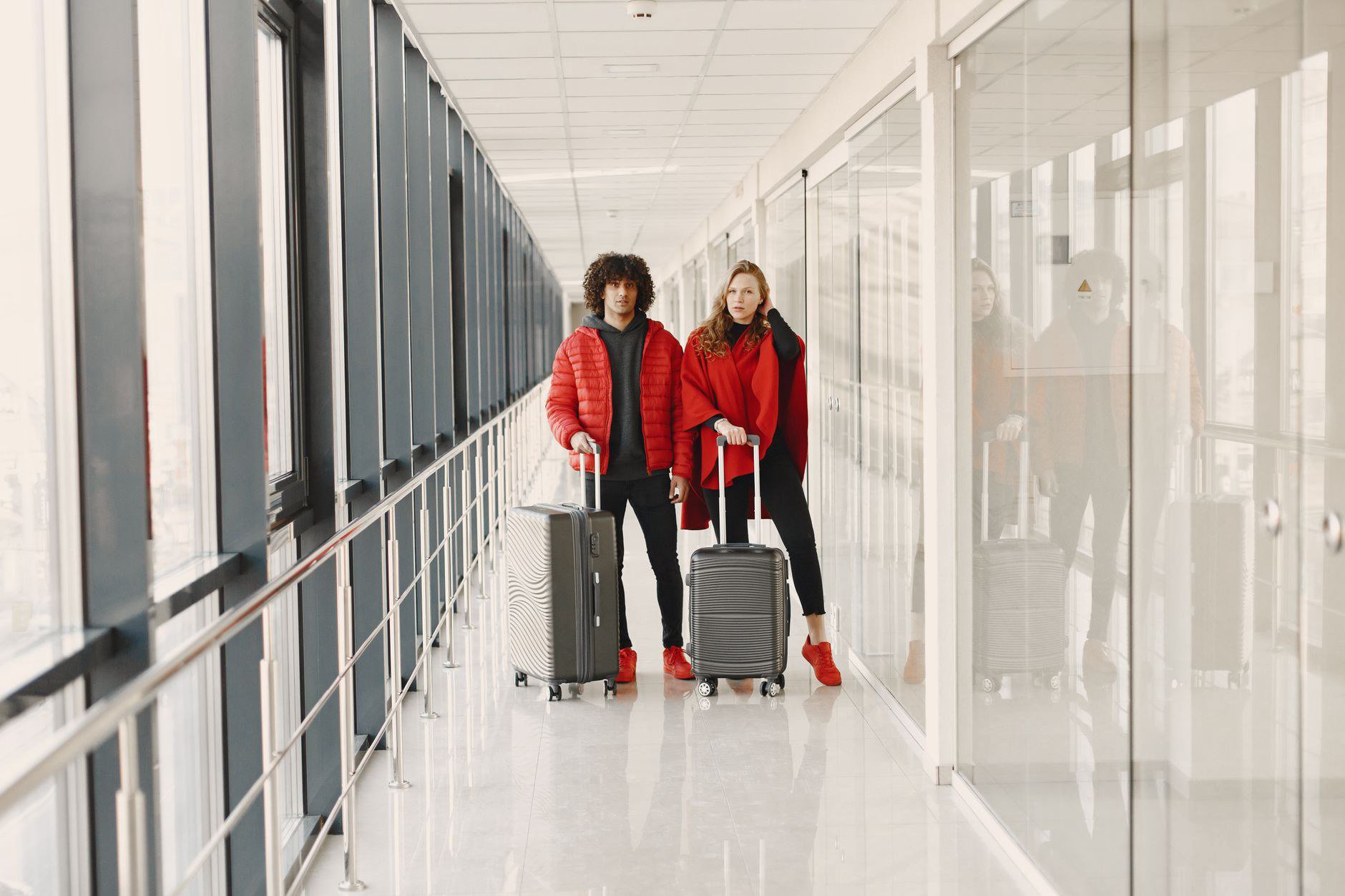
Many people measure just the longest side and assume they’re fine. Airlines actually add up all three dimensions, and the wheels and any protruding handle count toward the total. Forgetting those parts is the single most common reason a bag gets flagged.
Stand the suitcase upright on a flat floor and use a soft tape measure. Start at the lowest point of the wheels and measure to the top of the handle with it retracted. An extended handle can push a bag over the limit without you noticing, so always measure it closed.
Take a 70 x 45 x 28 cm suitcase as an example. The three dimensions add up to 143 cm, which looks comfortably under 158 cm. Add the wheels and handle, though, and the figure can creep over. Then you’re paying a fee or swapping into another bag at the counter, which is the last thing you want at 5 a.m.
When buying a new suitcase, check its external dimensions against the airline’s limit before you hand over money. Models whose listed size already includes wheels and handle are much easier to keep within the rules.
Should you weigh your bag before heading to the airport?

Yes, and it’s the cheapest step you can take to avoid trouble. A basic digital bathroom scale does the job. You don’t need anything fancy.
Weigh the whole packed suitcase rather than individual items. Leave a margin of about 1 to 2 kg, since home scales and airport scales rarely agree exactly. We’ve seen a difference of nearly a kilo between two scales in the same week.
Heavy items such as books, shoes and electronics usually belong in the checked bag. Documents, medication and cameras go in your carry-on. Keep your laptop out of the checked bag as well, because airlines generally won’t cover damage to it.
Finally, check the zips, handles and any external pockets. A loose zip can burst open on the conveyor belt, and then you’re kneeling on the floor picking up clothes while the queue watches.
What do overweight bag fees really cost?
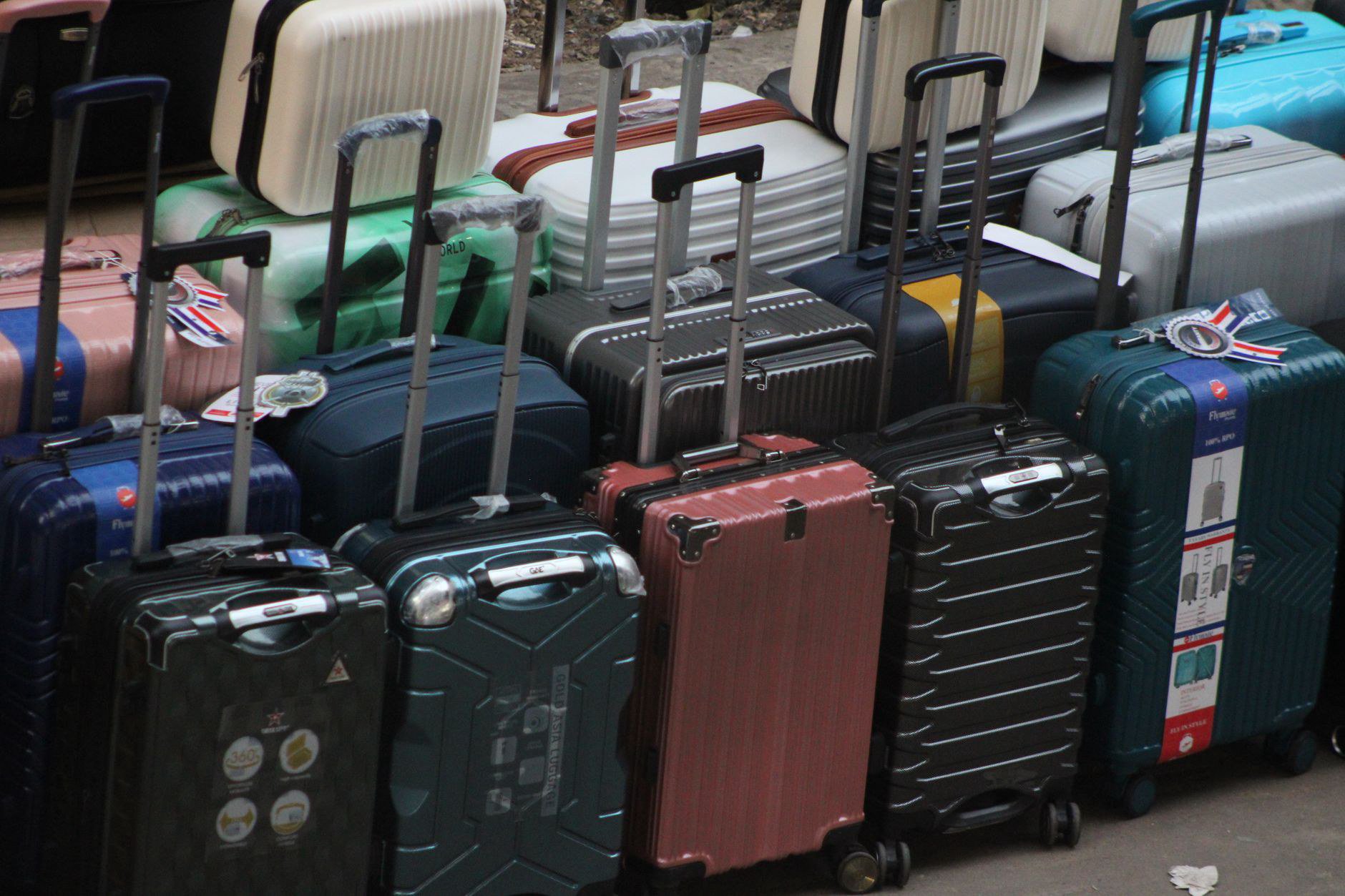
This is where many travellers feel the pain. At the counter, overweight charges typically run around 40 to 60 USD per extra kilo, though the exact figure depends on the airline and route.
That means a bag just 3 kg over the limit could add more than 100 USD to your trip. We’ve seen passengers open their suitcases in the middle of the check-in area to shift items into another piece. It takes time and it’s stressful for everyone nearby.
A better approach is to buy an extra piece online in advance. In our experience, pre-purchased baggage is often 30 to 50 percent cheaper than paying at the airport. It’s worth deciding this when you book, not when you’re standing at the desk. If you’re planning a longer trip and want the full cost picture, our Du Lịch Pháp Tự Túc Hết Bao Nhiêu Tiền? Chi Phí 10 Ngày breakdown shows how baggage fees fit into an overall budget.
Oversized items, awkward cargo and liquids beyond the limit can also carry separate charges. Look at the airline’s restricted items list before you pack, not after.
How should you pack to avoid paying extra?

A lighter suitcase gives you more room to work with. Aluminium-frame or polypropylene shells usually weigh less than thick plastic ones. That difference can free up one or two kilos for your belongings without going over the limit.
Factor in what you’ll buy during the trip. People often slip up here, since souvenirs and shopping add more weight than expected. We usually suggest leaving around 3 kg of spare allowance for the return journey.
If you find you have more than fits, don’t force it into the suitcase. Move items into the extra bag you’ve already purchased rather than paying more at the counter.
Is it better to buy extra baggage at booking or at the airport?
The best time is right after you book, through the airline’s app or website. Prices are usually lower then, and you can compare options without rushing. Comparing takes only a few minutes.
Buying ahead is typically much cheaper than the counter rate. The gap is often large enough to make you wonder why you didn’t do it earlier.
If you know you’ll be carrying a lot, such as a long work trip or a shopping-heavy holiday, buy a baggage package from the start. Then the weight question is settled for the whole journey.
What can you do to avoid excess baggage from the start?
Keep your documents, medication, electronics and valuables in your carry-on. These are the things you can’t afford to lose, and they’re also what officers often ask you to take out during security checks.
Watch the liquids rule too. Each container is generally limited to 100 ml and must fit in a clear bag. Lithium batteries, including power banks, must travel in your carry-on, never in checked luggage.
Anything you can buy at your destination is a good candidate to leave at home. Shampoo, toothpaste and toiletries are easy to find after you arrive, and skipping them can noticeably lighten your suitcase. For tips on getting ready before the flight, our Du lịch Singapore tự túc cần chuẩn bị gì trước chuyến bay checklist covers the essentials.
What about oversized items like bikes, golf clubs or instruments?
Oversized items need arranging with the airline in advance. Don’t assume you can turn up at the counter and sort it out on the spot. Many carriers require notice several days before departure, and some have limited space on each flight.
Special-item fees differ from standard overweight charges. Bike boxes, golf bags and musical instruments each have their own rates, so ask before you book to avoid surprises at the desk.
When packing fragile equipment, protect it with foam and a hard case. Label it with your name and contact number so staff know who to call if something goes wrong.
Frequently asked questions
Do you have to pay for an overweight bag at the counter?
Usually, yes. You’ll need to settle the fee before the bag is loaded onto the aircraft. If you don’t pay, the airline may refuse to take it, and that can wreck your plans fast.
The safest approach is to weigh your bag at home and buy any extra piece in advance if you need it.
Can you combine two 15 kg bags into one 30 kg piece?
Generally, no. Most airlines cap each checked piece at 23 kg, so a 30 kg bag would be treated as overweight. Repacking to dodge the rule rarely works in practice.
It’s better to buy another piece, provided your route and fare allow it.
Do children and infants get their own baggage allowance?
It depends on the airline and the child’s age. Infants under two usually don’t receive a separate baggage allowance. Older children often get the same allowance as adults.
Ask the airline directly when you book so you have the exact details in writing.
Which baggage rules apply on connecting international flights?
If you book a connection on the same airline, your bag is usually checked through to the final destination under the rules of the first flight. If you change airlines, though, the rules may differ, and you may need to collect and re-check your bag yourself.
That’s why we recommend double-checking the baggage information printed on your ticket before you leave home.
How does compensation work if your luggage is lost?
Airlines typically compensate lost bags based on weight, according to the terms of carriage. That payout rarely reflects the real value of what was inside, so keep valuables in your carry-on. For broader planning on documents and entry requirements, see our guide on how to check visa requirements before you book.
If your bag goes missing, report it at the lost baggage desk straight away and keep the paperwork you’re given for any later claim.