

Self transfer flights are two or more separate tickets booked independently. Each airline treats its leg as a stand-alone trip. They can open cheaper routes, but they shift the missed-connection risk entirely onto you.
Protected connections versus self transfer flights
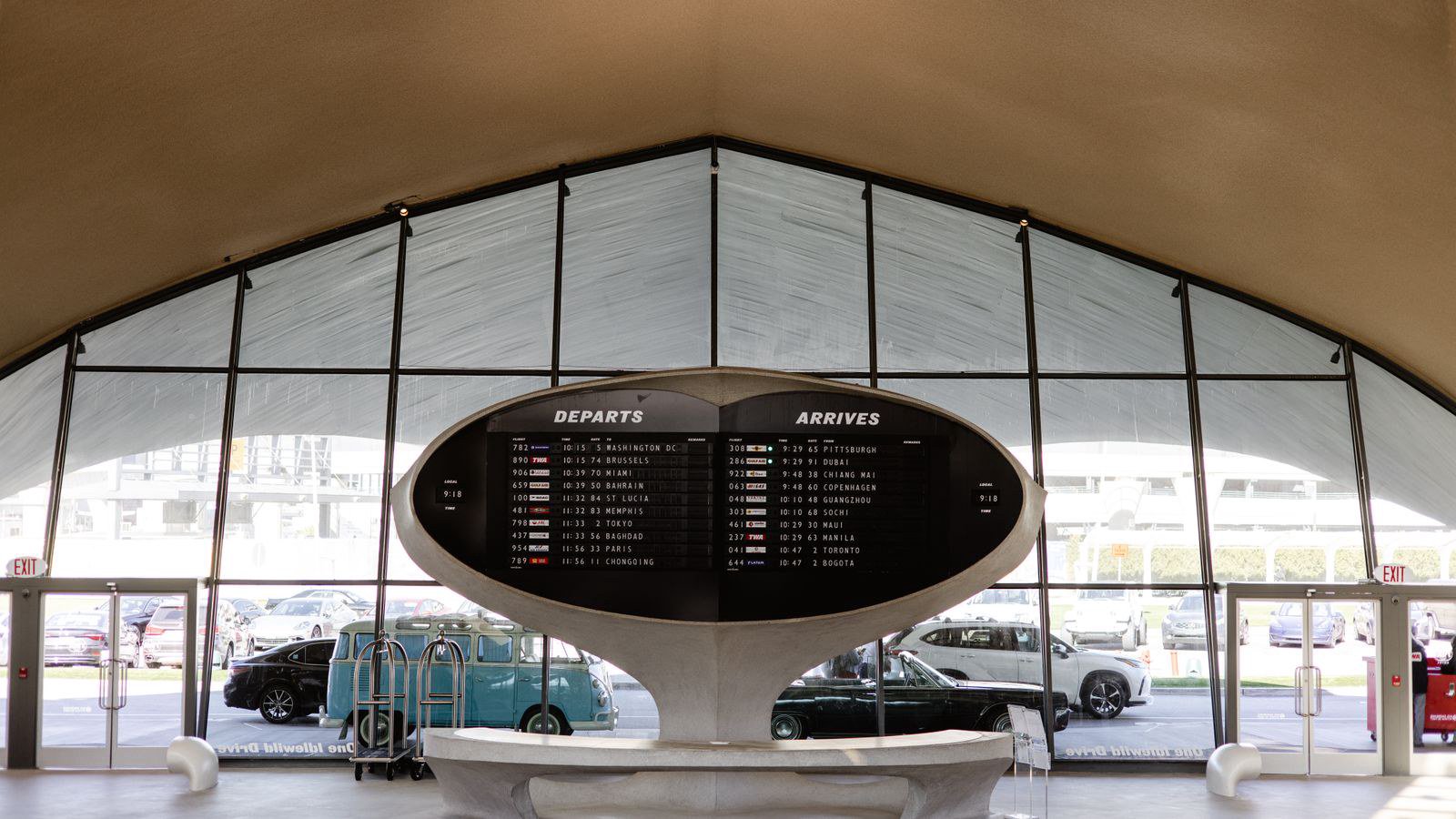
On a single ticket, the airline is responsible for your full journey. If the first leg runs late and you miss the second, the carrier rebooks you — usually at no extra charge. Your bags travel checked through to the end.
With self transfer flights, none of that applies. Each ticket is its own contract. If your first plane lands late, the second airline owes you nothing. It may list you as a no-show. You will almost certainly need to buy a new ticket, erasing the saving you were chasing.
Self-transfer itineraries often appear when a budget carrier flies into a hub served by a long-haul airline. Search engines and booking tools stitch them together and show a tempting combined price. Read the fine print — the site may flag separate tickets only in a small footnote.
Some platforms sell a guarantee that covers missed connections on their itineraries. Terms vary and conditions apply. Read exactly what is covered, who pays, and how to claim before you rely on it.
How much time to allow between flights

Factors that affect layover length
There is no single right answer. It depends on the airport, time of day, and what you must do between planes. A single-terminal regional airport is very different from a large hub with terminal changes by rail.
Work backward from the second departure. Check-in desks close well before take-off. Find the exact cutoff on the airline’s site. Add time to exit the first plane, clear passport control, collect bags, re-check them, and pass security again.
Buffers for delays and seasons
Build in a buffer for delays. Early-morning departures from hubs tend to run on time. Evening flights carry the accumulated delays of the whole day. Season matters too. A winter connection through a snowy hub needs far more slack.
Many experienced travelers arrive the day before the second flight and sleep in the city. It costs an extra hotel night. But it converts a risky gamble into a guaranteed rest stop. If the gap to a protected ticket is narrow, that hotel night often tips the scales.
Check the airline’s minimum connection guidance and the airport site for terminal maps. The IATA website is a reliable reference for travel documents and airline rules.
Bags, check-in, and transit visas
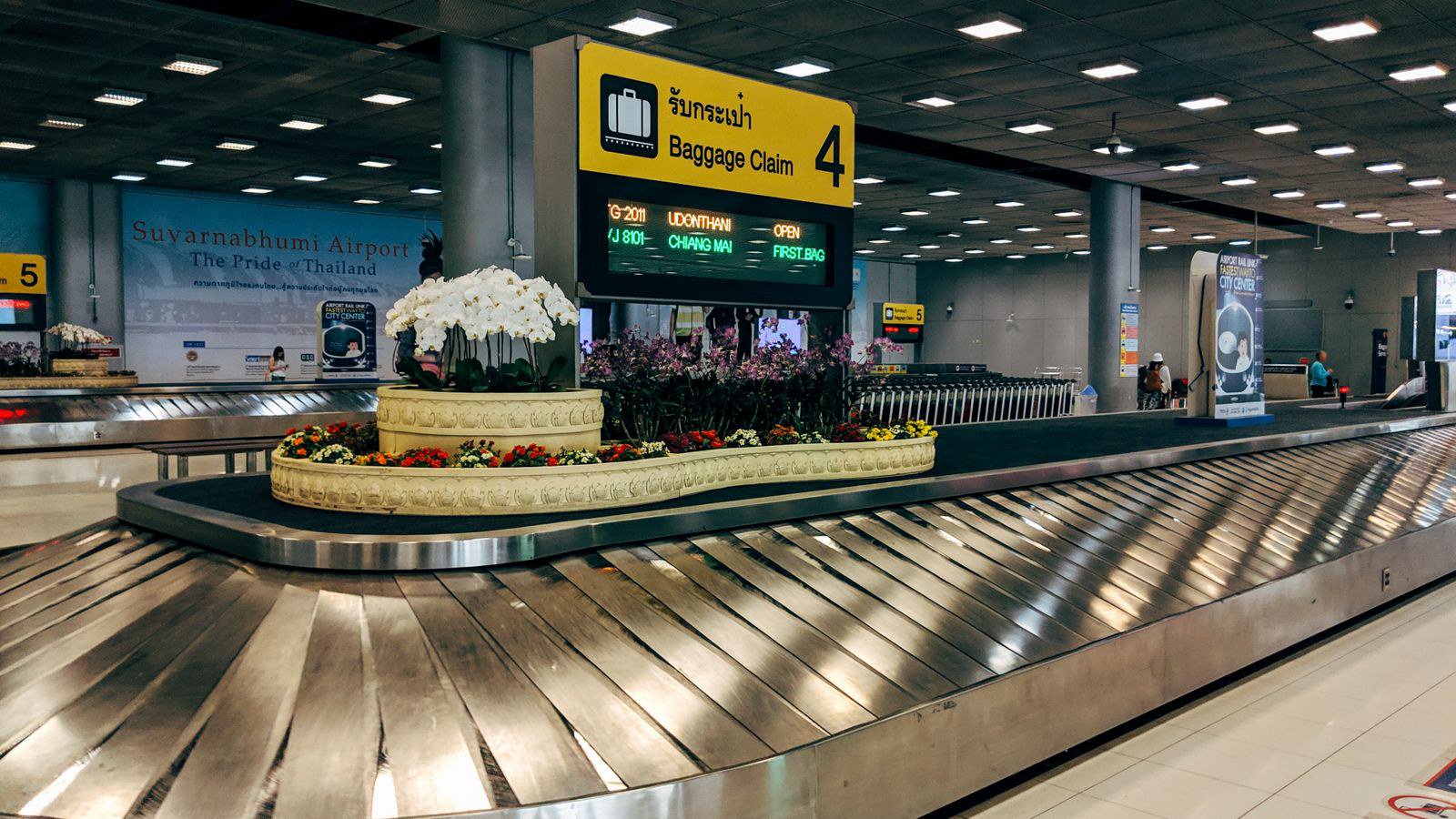
This is where most self-transfers go wrong. Because your tickets are separate, bags do not move on their own. You must collect them at the first airport and check in again for the second flight. That means passing through immigration — even if you planned only to change planes.
Entering a country adds paperwork. Depending on your passport and the transit airport, you may need a visa or electronic travel authorisation just to reach the arrivals hall. Some countries require a transit visa even for airside changes. Rules differ by nationality and they change.
Our guide to checking entry rules for any country walks through that research step by step, so you know what to apply for before you book.
Baggage allowances also differ. A budget airline may charge for a cabin bag that a full-service carrier includes for free. Weigh and measure luggage against both carriers’ limits. Traveling carry-on only removes most of this problem.
Also check the check-in method. Some airlines require document inspection at the desk for international routes. Online check-in alone may not be enough.
What to do if you miss a connection

Move fast and stay calm. Go straight to the second airline’s desk or call its helpline while still at the airport. Some carriers offer a standby seat or a reduced-fee rebooking. They have no obligation to do so, but it is worth asking.
Look at all same-day options: different airlines, nearby airports, overnight trains. Prices rise sharply close to departure. Book the cheapest workable option rather than holding out for something better.
Contact whoever sold the tickets. If a connection guarantee applies, follow the claim process and keep every receipt. If you bought two tickets directly, travel insurance may help — but only if the policy covers delays on a separate first flight. Read the wording before you travel.
Keep both booking confirmations, your passport, and any airline messages ready to show. A calm, organised request tends to get a better response than frustration.
When self transfer flights are worth it
A self transfer makes sense in a few situations. First, when the saving is large relative to the whole trip and you have generous layover time. Second, when a protected itinerary on those airlines simply does not exist. Third, when you actually want a deliberate stop — a night in the transit city turned into a mini side trip.
It makes much less sense on a tight schedule. A cruise, wedding, conference, or prepaid tour means a missed connection costs far more than the fare difference. Checked baggage on a short layover also raises the risk considerably.
Ask yourself what a missed connection would cost in money and time. Compare that honestly to the saving. If the numbers are close, take the protected ticket. Our article on finding cheap flights with tactics that still work covers other ways to lower your fare without this connection risk.
A quick checklist before you pay
Before confirming a self-transfer booking, check these points:
- Confirm both airlines’ baggage policies match what you plan to carry.
- Confirm whether you must pass through immigration between flights.
- Find the exact check-in cutoff for the second ticket.
- Check the layover airport’s site for terminal locations and transit times.
- Read the change and cancellation terms on each fare — a flexible second ticket is cheap insurance.
- Save screenshots of both tickets and note each airline’s helpline number.
Travelers who sort these details in advance rarely look rushed at the airport. For broader trip-planning guidance, the travel planning resources at Cube Web cover routes and logistics that complement the booking decisions covered here.
Final thoughts
A self transfer flight is a tool, not a trick. Use it with ample layover time, light luggage, and a clear backup plan for delays. It can open routes that would otherwise cost significantly more. Used carelessly — on a tight schedule with checked bags and a short window — it turns a modest saving into an expensive and stressful day.