
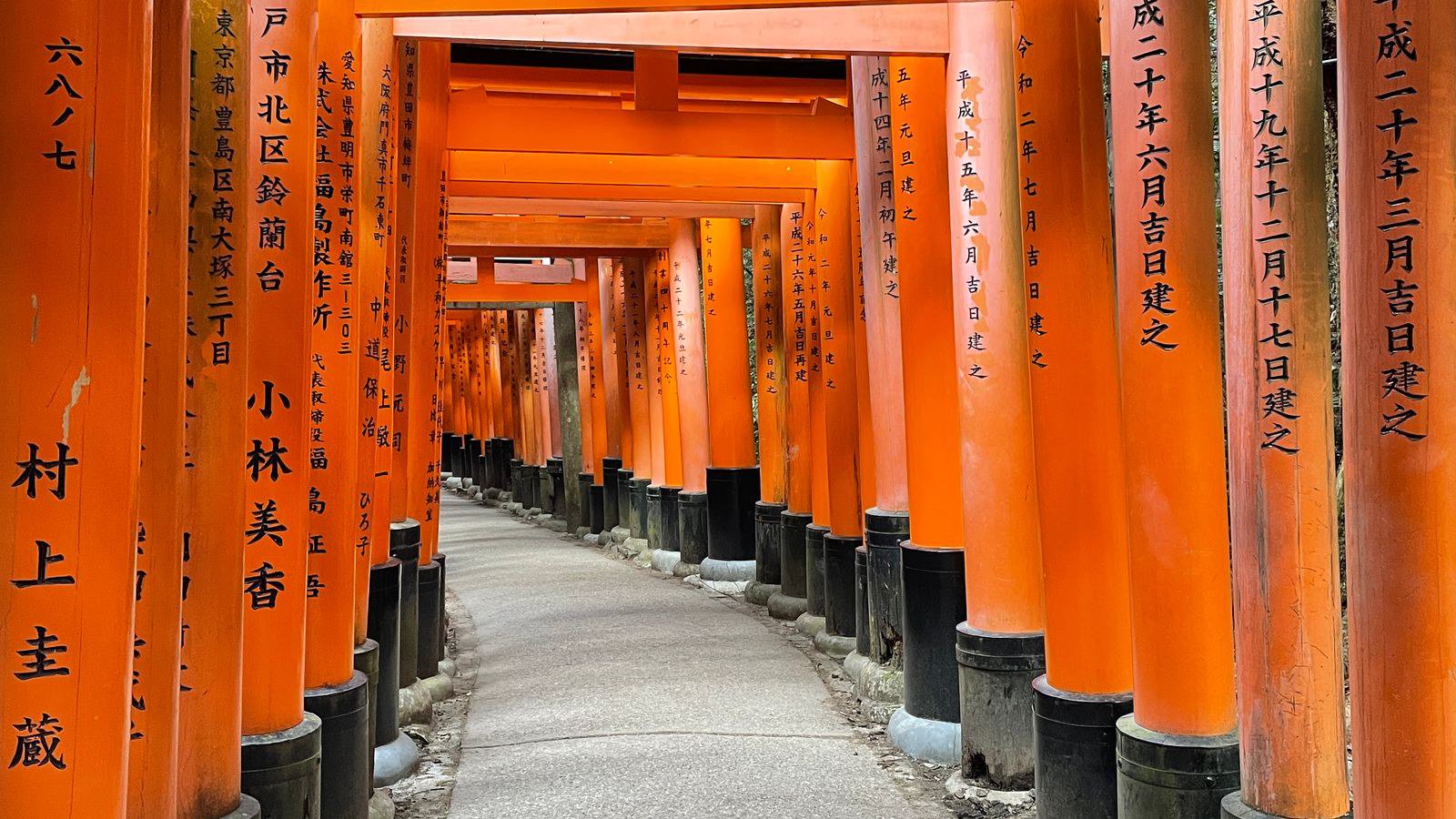
A Japan 7 day itinerary can work well if you accept one rule: see less and move less. One week is enough for a first taste of Tokyo, a day in the mountains and a few days in Kyoto and Nara. It is not enough to see the whole country. This plan shows how to shape those seven days without constant rushing.
The route below is a classic first-visit line. It starts in Tokyo, takes one side trip, then moves west by train. You can reverse it if your flights suit that better.
Is one week enough for Japan?
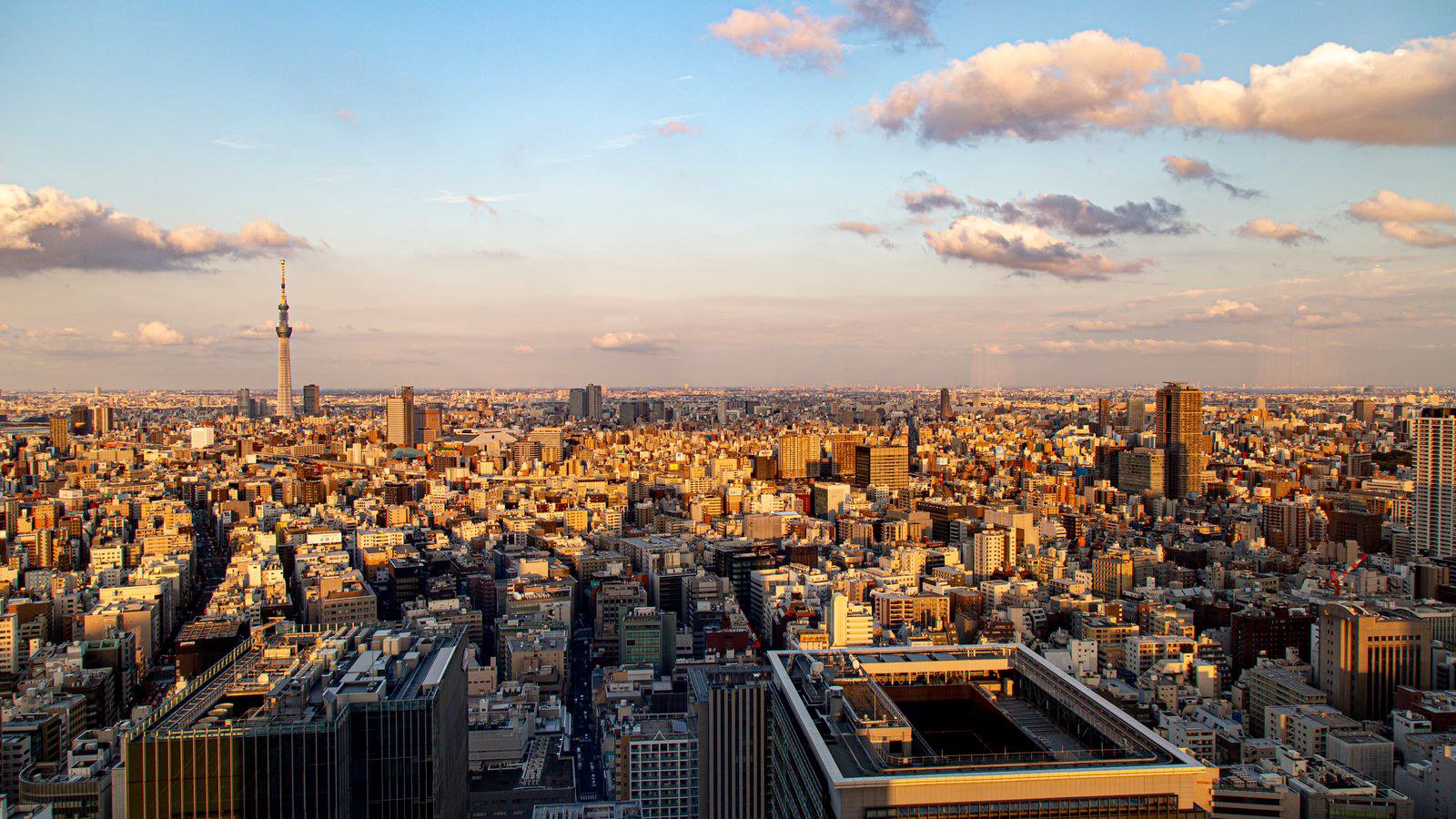
One week is enough for a good introduction. You will not see everything, and you should not try. The aim is to feel the contrast between a vast modern capital and a calmer historic city.
The main limit is time spent on trains and in stations. Japan’s rail network is excellent, yet transfers, luggage and walking add up. Every extra city costs you most of a day.
So the honest answer is yes, if you pick two bases. Tokyo and Kyoto are the usual pair. Add Osaka or Hiroshima only if you can spare more days.
Before you commit, check entry rules for your passport on official sources such as the Japan National Tourism Organization and the Japanese government’s foreign affairs pages. Requirements can change, and no travel blog should be your final word.
Days 1–3: Tokyo
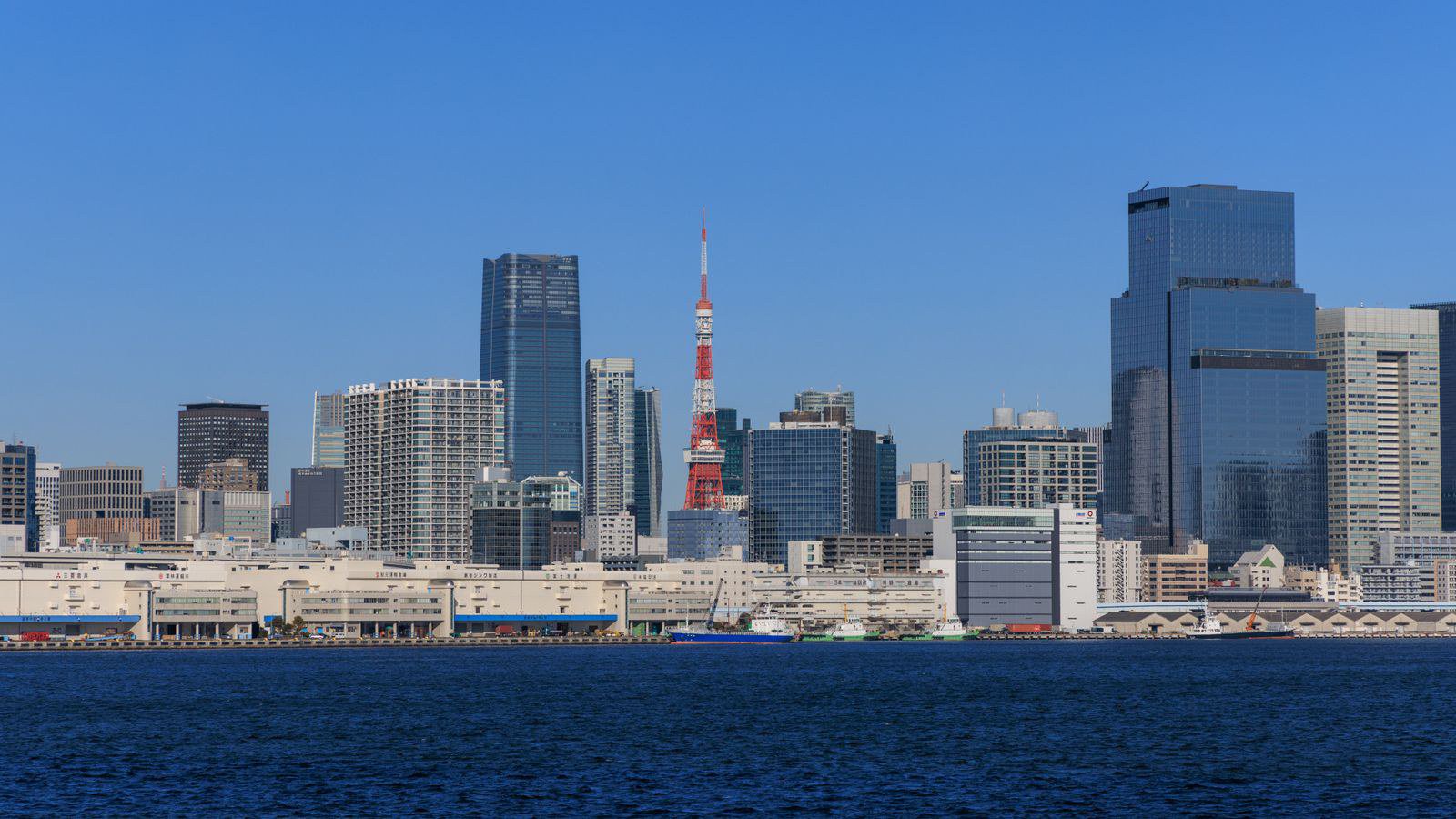
Arrive, drop your bags and keep day one light. Jet lag is real, and Tokyo is large. A walk through a nearby neighborhood and an early dinner is enough.
Day two can focus on the older east side. Visit a major temple, walk the nearby shopping street and cross the river for views. The pace is easy, and the sights sit close together.
Day three suits the west and south. You might see a large shrine in a forested park, a famous crossing and a district of fashion and cafes. Finish with an observation deck or a quiet bar.
Tokyo works because of its trains. Learn the basics of the metro map and use a rechargeable transit card. Station exits can be confusing, so check which exit is closest to your destination.
Pick a few themes, not a list of fifty places. Food halls, small museums and neighborhood walks are often more rewarding than famous sights seen in a hurry.
Some practical habits make the week smoother. Pack light, because station stairs and narrow hotel rooms punish big suitcases. Many travelers use luggage forwarding between cities, so ask your hotel about it. Carry some cash, since small shops and temples still prefer it. Download offline maps and keep your hotel name written in Japanese for taxi drivers.
Eat where the locals eat. Station food halls, noodle counters and bakeries are cheap, fast and good. They also free up your evenings for one or two sit-down meals that matter.
Day 4: Hakone or Nikko
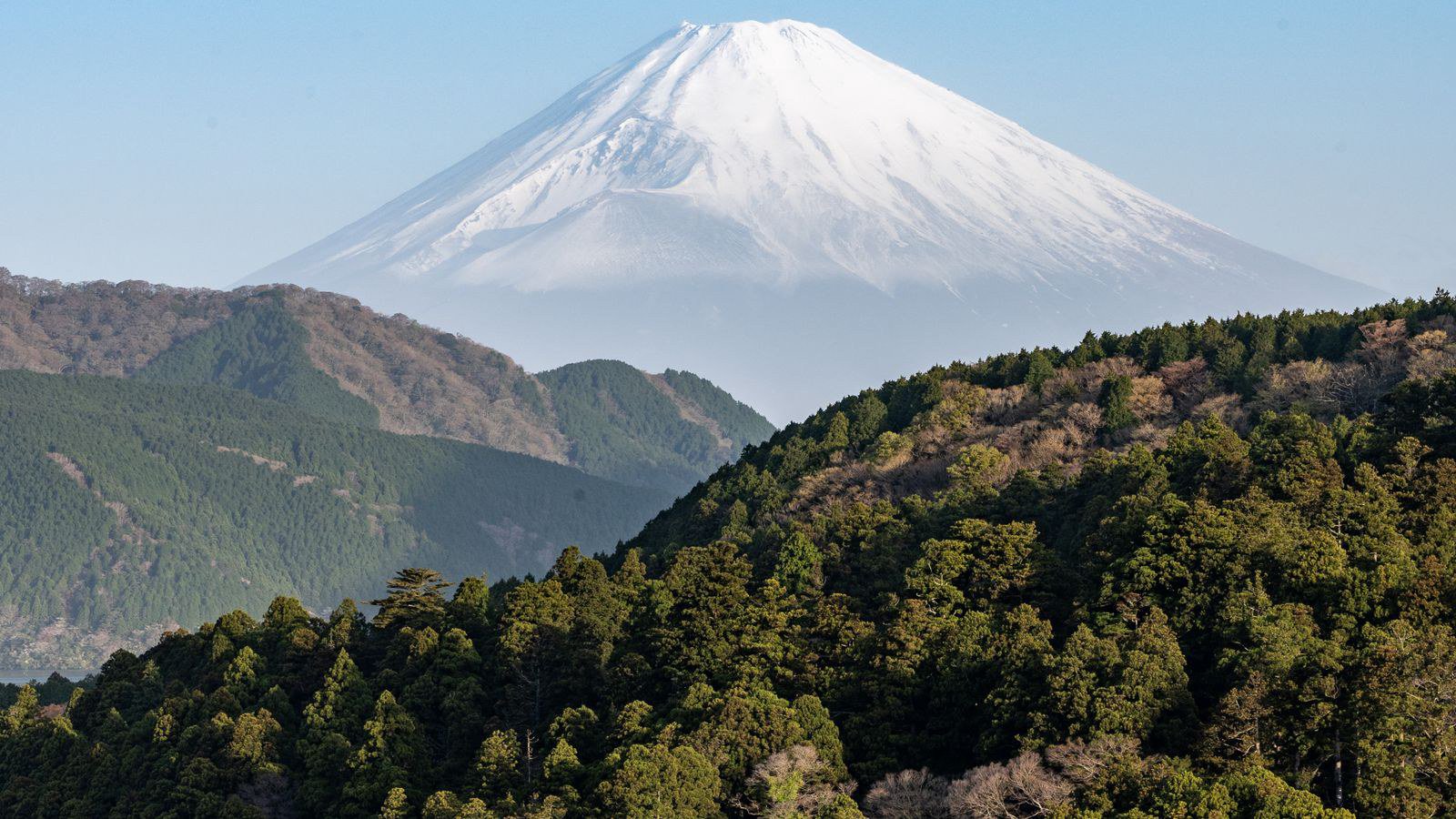
Day four is a break from the city. Choose one side trip, not both.
Hakone
Hakone offers hot springs, lake views and, on clear days, a glimpse of Mount Fuji. It is reachable by train from Tokyo. A ropeway and a lake cruise are popular, but check whether they are running before you plan around them.
Nikko
Nikko holds richly decorated shrines and wooded paths. It suits travelers who like history and architecture. The trip is longer, so start early.
Weather matters for both. Fuji is often hidden by cloud, so treat any view as a bonus. Operating schedules for ropeways and boats change with weather and season, so confirm them locally.
If your legs are tired, skip the side trip and take a slower Tokyo day instead. A week with no breathing room is a common mistake.
Days 5–7: Kyoto and Nara
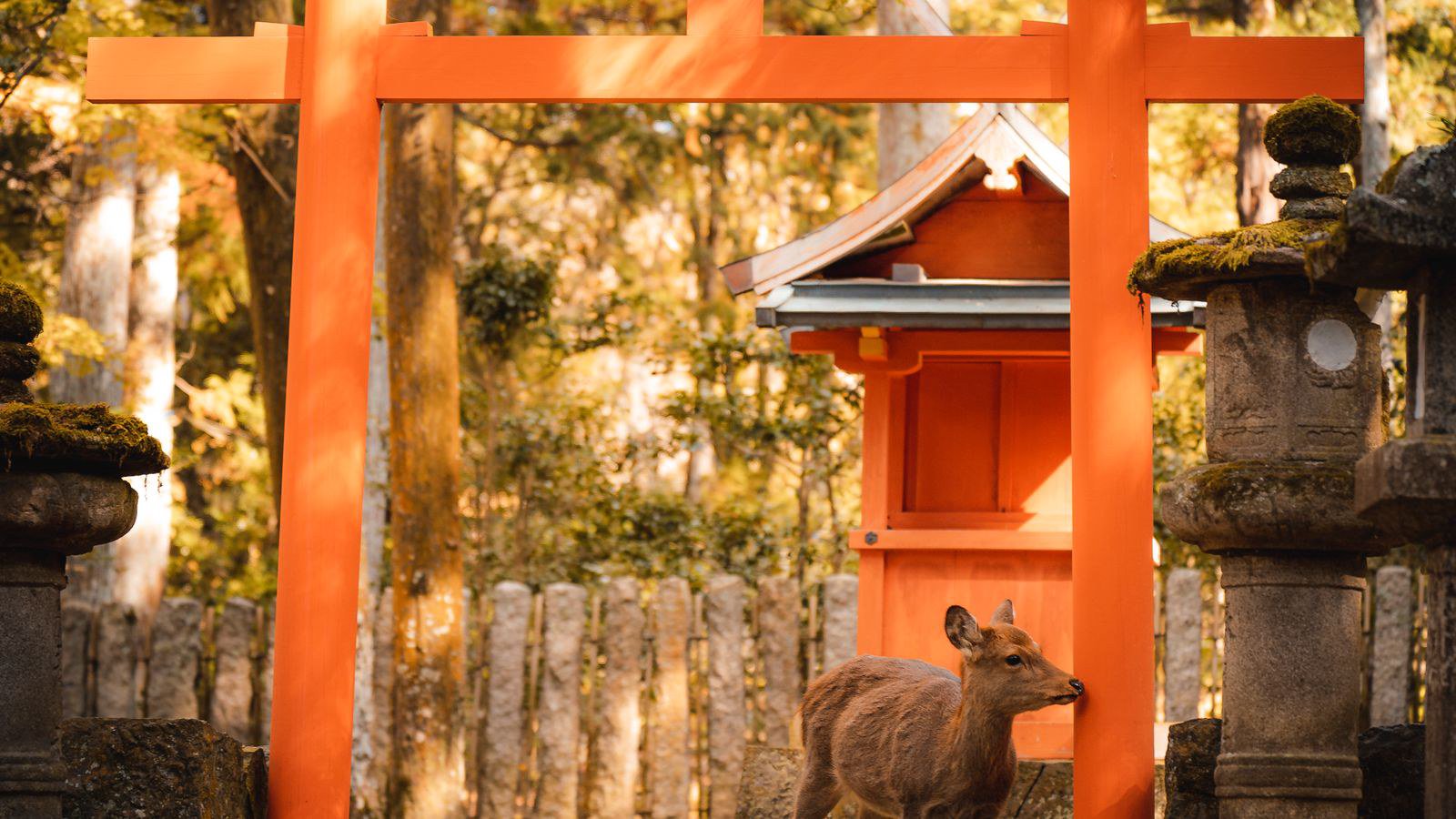
Travel to Kyoto on day five by high-speed train. The ride is smooth, and you can arrive by early afternoon. Use the first afternoon for a walk in the eastern hills.
Day six is for temples and gardens. Start early at a famous site, then move on to quieter areas. Our Kyoto guide for first-timers goes through neighborhoods, temples and getting around in detail.
On day seven, take a short train to Nara. The park, the great hall and the deer make an easy half day. Return to Kyoto or continue to Osaka for your departure flight, depending on your airport.
Build a buffer on the last day. Airport transfers can take longer than expected, and bags are heavy after a week of shopping. Leave early rather than late.
Remember that some temples close for special events. Check hours before you go, and keep a backup plan for a closed gate.
Rail passes versus single tickets
Many travelers ask whether a national rail pass is worth it. The answer depends on your route, and the rules have changed in recent years.
Start by listing the long trips you will take. For this itinerary, those are Tokyo to Kyoto and perhaps a return flight or train. Then compare the cost of those tickets with the pass price on the official sites.
If you only take one long journey and a few short ones, single tickets or a regional option may be cheaper. A pass tends to pay off with several long trips in a short time. It also adds convenience, as you can board without buying each ticket.
Pass prices, eligibility and conditions change. Check the current details on the operators’ official pages and the Japan National Tourism Organization site before you buy. Do the maths for your own route, not someone else’s.
A rechargeable transit card is useful in either case. It covers local trains, subways and some shops, and it removes the need to buy small tickets constantly.
What this week costs to plan for
We will not quote prices here, because they change with season, exchange rates and demand. Instead, here is how to structure your budget so you can fill in current numbers.
List the big blocks first:
- Flights to and from Japan, which usually form the largest single cost.
- Accommodation for six or seven nights, which varies widely by area and season.
- Long-distance transport, such as the Tokyo to Kyoto train.
- Local transport, including the subway, buses and airport links.
- Food, from convenience stores to sit-down meals.
- Entry fees for temples, museums and gardens.
Add a buffer for the unexpected, such as a taxi or a rainy-day museum. Check current figures on official sites and booking pages, then total them in your own currency.
Our guide to building a realistic travel budget shows a method you can reuse for this trip. It helps you separate fixed costs from daily spending, so one expensive day does not surprise you.
If the total feels high, adjust the plan, not the experience. Fewer hotel changes, earlier bookings and a quieter travel season can all help. Our approach is to cut movement before cutting sights.
Final thoughts on your Japan 7 day itinerary
A Japan 7 day itinerary succeeds when it leaves room. Three days in Tokyo, one side trip and three days in Kyoto and Nara is already full. Resist the urge to add one more city.
Book your flights and first and last nights early, then keep the middle flexible. Weather, rest and curiosity will change your plans, and that is fine. Many travelers find their best moment was not on the list.
Last, verify visa and entry rules, rail pass terms and opening hours on official sources before you travel. They change, and a few minutes of checking prevents expensive mistakes.