
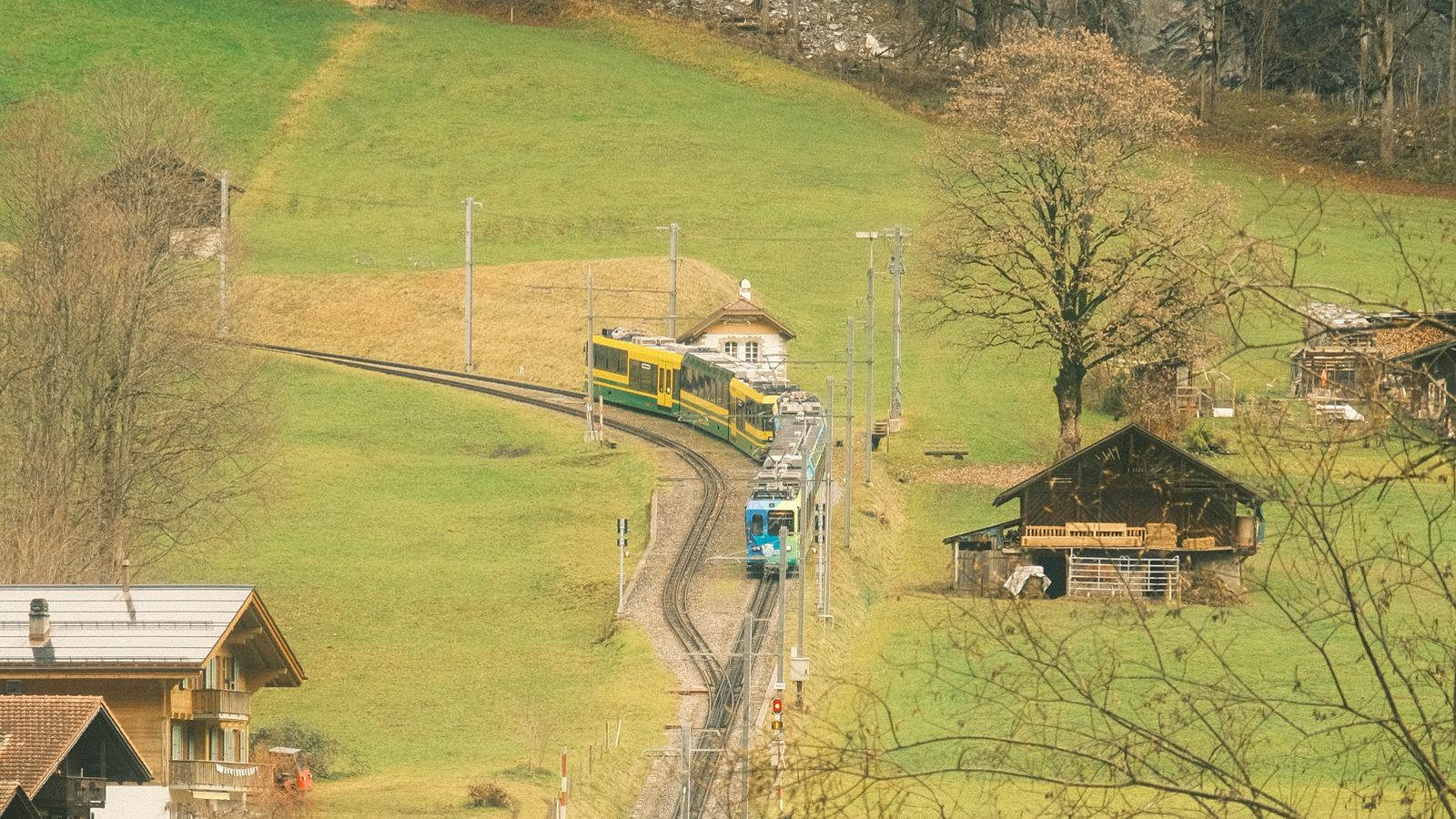
A two weeks in Europe itinerary works best when you pick fewer places than you think you need. Fourteen days sounds long, yet each border, station and hotel change eats half a day. A route of four or five bases, linked by trains, is realistic and enjoyable.
This guide shows how to choose a route, a sample 14-day line, where the money goes, and what paperwork to check before you book. It avoids fixed prices, because those change by season and demand.
Picking a route you can actually enjoy
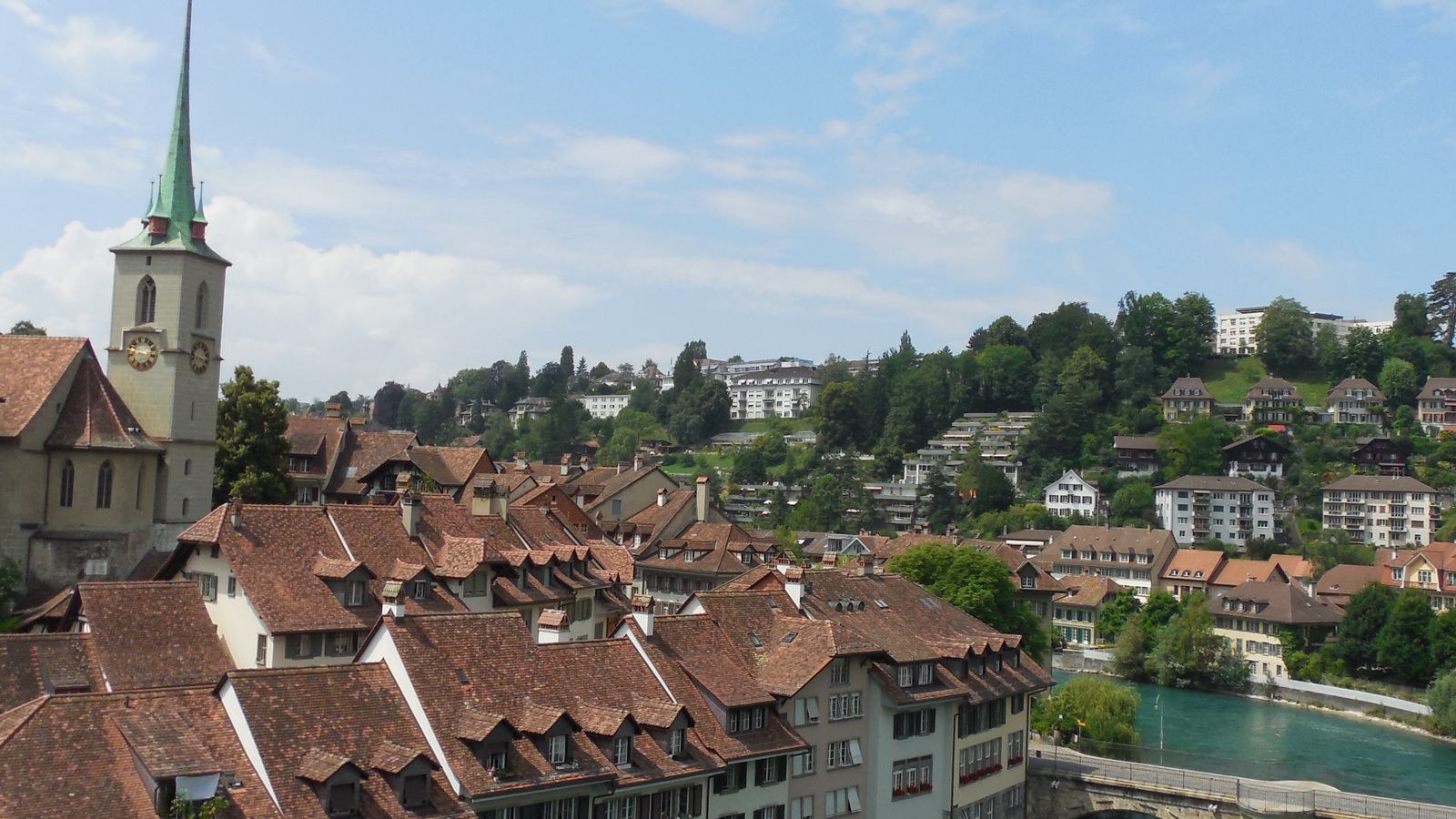
Start with the way you like to travel, not with a list of famous cities. Some people love big museums and nightlife. Others prefer small towns, coast and food. Your route should match that.
Next, count your bases. A good rule is one base per three days. With fourteen days, that means four or five places at most. Each extra stop adds packing, transit and check-in time.
Then check geography. Stay on a line instead of zigzagging. A west-to-east or north-to-south path keeps train rides short. Look at a rail map before you fall in love with a city pair.
Season matters too. Summer brings heat and crowds in popular cities, while spring and autumn are often easier. Winter suits museums and Christmas markets but has short daylight. Decide what trade-offs you accept.
If you are building your first trip abroad, a simple route through neighboring countries is a good start. Fewer language and currency changes make it calmer.
A sample two weeks in Europe itinerary by train
This is a sample, not a rule. It shows how a balanced route might look. Swap cities freely to match your tastes.
Days 1–3: Paris
Use the first days for a large capital. Walk the river, visit one or two major museums and spend an afternoon in a quieter neighborhood. Keep your plans light on day one.
Days 4–6: Amsterdam or Brussels
Take a fast train north. Canals, bikes and compact old centers make for easy walking. Book museum slots early if a certain collection matters to you.
Days 7–9: Germany or Switzerland
Travel to a base such as Cologne, Munich or Zurich. Add a lake, a castle or a mountain day. Rail views here are part of the trip.
Days 10–12: Italy
Head south for food, art and warmer streets. A base such as Milan, Florence or Venice suits a first visit. Do not try to cover all three.
Days 13–14: Return leg
Keep the last two days simple. Spend them in a city with a good airport link. Leave a clear buffer before your flight home.
Notice the pattern. Each move is a few hours by rail, and every base has at least two nights. If you want a calmer finish, you could fly out of a western city such as Lisbon. Our Lisbon travel guide shows how to spend a few days there.
Schedules and ticket rules change. Check train times and seat reservation rules on the national railway sites and the official European Union travel pages before booking.
Where the money goes: transport, beds, food
Three blocks make up most of a Europe trip: transport, accommodation and food. Knowing them helps you plan realistically.
Transport includes your flights to and from Europe, plus train, bus or low-cost flights between cities. Long-haul flights are often the biggest single item. Local passes and city transit add up in smaller amounts.
Accommodation depends on city, season and style. Capitals and popular summer towns cost more than smaller cities. Hostels, apartments and hotels offer different trade-offs in privacy, space and kitchen access.
Food ranges widely. Bakery lunches, markets and set menus are far cheaper than long dinners in tourist areas. Many travelers plan one good meal a day and keep the others simple.
Do not forget the smaller items. These include museum tickets, luggage storage, SIM cards, local taxes and a buffer for surprises.
For a step-by-step method, see our guide to building a realistic travel budget. It shows how to list costs, add a buffer and track spending as you go.
Please check current fares, hotel taxes and entry fees on official or booking pages. We do not quote figures here because they change often.
Saving without making the trip worse
Saving money is easy to do badly. Cutting sleep, cutting sights and cutting comfort can leave you tired and frustrated. The aim is to trim waste, not joy.
Book the big items early, such as flights and the first nights. Fares and rooms tend to rise as popular dates fill. Keep some days flexible, so you can adapt to weather and mood.
Travel in shoulder months when you can. Late spring and early autumn often bring pleasant weather with fewer crowds and sometimes lower rates. Weigh this against school holidays and local events.
Choose accommodation with a kitchen or breakfast if you stay several nights. Simple breakfasts and picnic lunches stretch your budget without hurting the experience.
Walk where distances are short, and use city transport passes only if they match your plans. Compare a pass with single tickets before buying.
Spend where it matters. If a famous museum or a scenic train is why you came, pay for it and save elsewhere. A trip with a few chosen splurges feels better than one that is cheap everywhere.
Avoid poor exchange choices. Withdraw sensible amounts, check card fees with your bank and pay in the local currency when given the choice.
Paperwork to sort before you book
Paperwork is the part that can stop a trip, so check it first. Do not buy non-refundable tickets until you know you can enter.
First, look at your passport. Many countries require it to be valid for a set time beyond your departure date. Check the exact rule for each country you will visit, as details differ.
Second, check whether you need a visa. Many travelers can enter the Schengen area for short stays without one, but rules depend on nationality and may include new pre-travel authorizations. If you do need a visa, our Schengen visa application guide explains documents and common mistakes. Appointments can take time, so start early.
Third, consider insurance. Some visas require it, and it is wise even when not required. Read what it covers, especially medical care and trip cancellation.
Fourth, keep copies. Store digital copies of your passport, tickets and bookings in a secure place. Carry a paper backup of key details.
Finally, verify everything with official sources. Rules for entry, stay length and fees can change, and an outdated blog is not an acceptable reason to be turned away. Use government sites and your embassy as final authorities.
A calm way to finish planning
Once your route, budget and paperwork are clear, write the plan on one page. List each base, travel day, booked nights and key reservations. Seeing it on paper reveals weak points quickly.
Then do one honest check. Is any day a long train, a check-in and a major sight all at once? If so, move something. A two weeks in Europe itinerary should leave you with energy for the last day.
Last, leave space. The best parts of a long trip are often unplanned: a market, a bench, a conversation. Plan enough to feel safe, and leave enough to be surprised.