
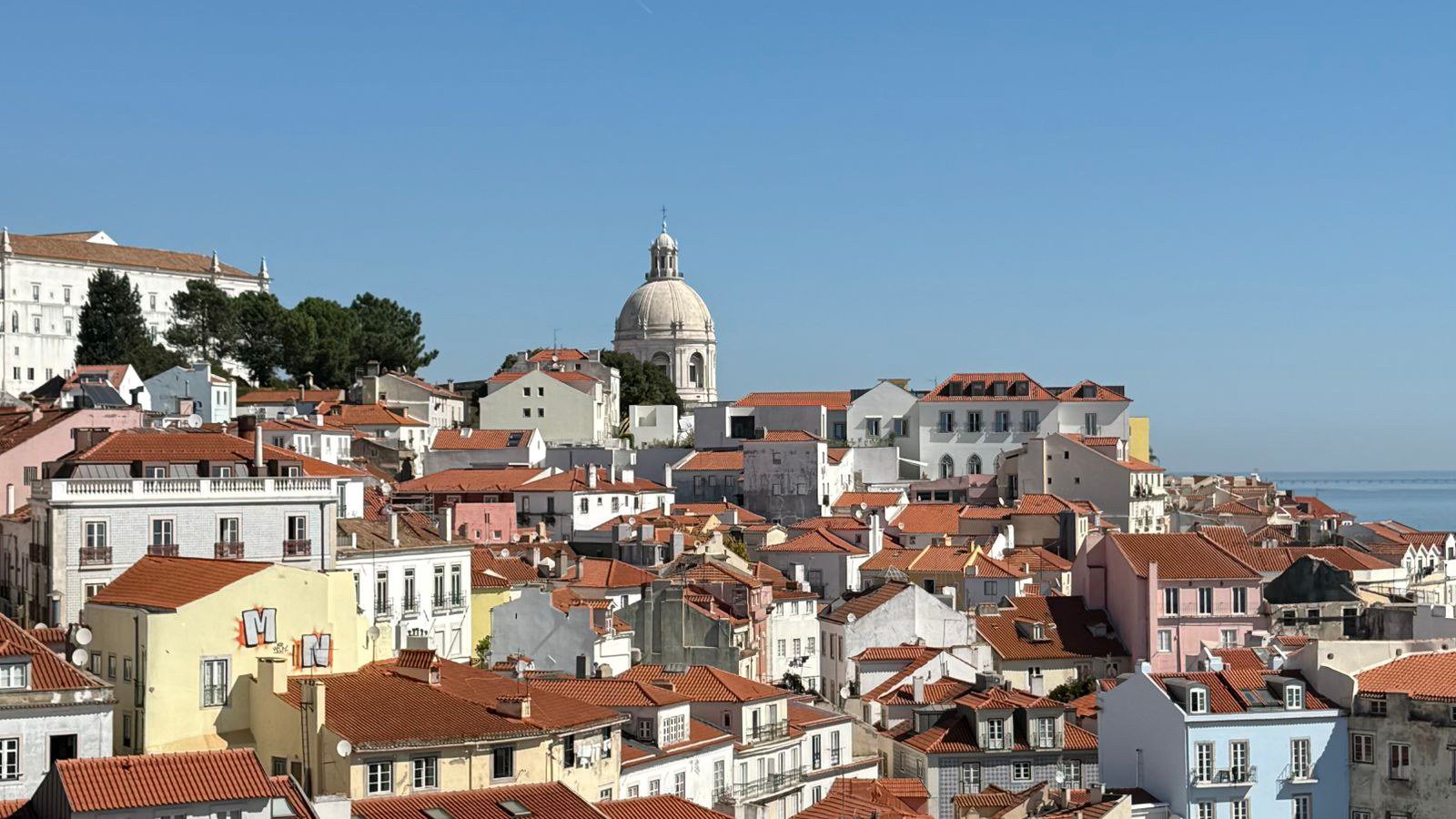
A Lisbon travel guide works best when it respects the city’s hills, its slow meals and its habit of rewarding wandering. Three to four days is a comfortable first visit. Choose a base that suits your pace, learn the tram and metro basics, and leave room for one day trip.
Lisbon sits on a series of hills above the Tagus River. Views appear around corners, and pavements are often steep. Plan your days with that terrain in mind.
Lisbon at a glance

The city is small enough to learn quickly. Historic districts cluster near the river, and newer areas spread north. Many visitors spend most of their time within a few neighborhoods and still feel they have seen a lot.
Alfama is the old quarter, with narrow lanes and a castle above. Baixa is the flat grid near the water. Chiado and Bairro Alto sit above it, full of shops, cafes and nightlife. Belem lies to the west and holds the monastery, the tower and the famous custard tarts.
Lisbon feels relaxed rather than rushed. Lunch can last an hour, dinner starts late, and shops often keep their own hours. Build that rhythm into your plan instead of fighting it.
If you are building a longer route across the continent, our two-week Europe itinerary and budget shows how Portugal can fit alongside other stops.
Best areas to stay for first visits
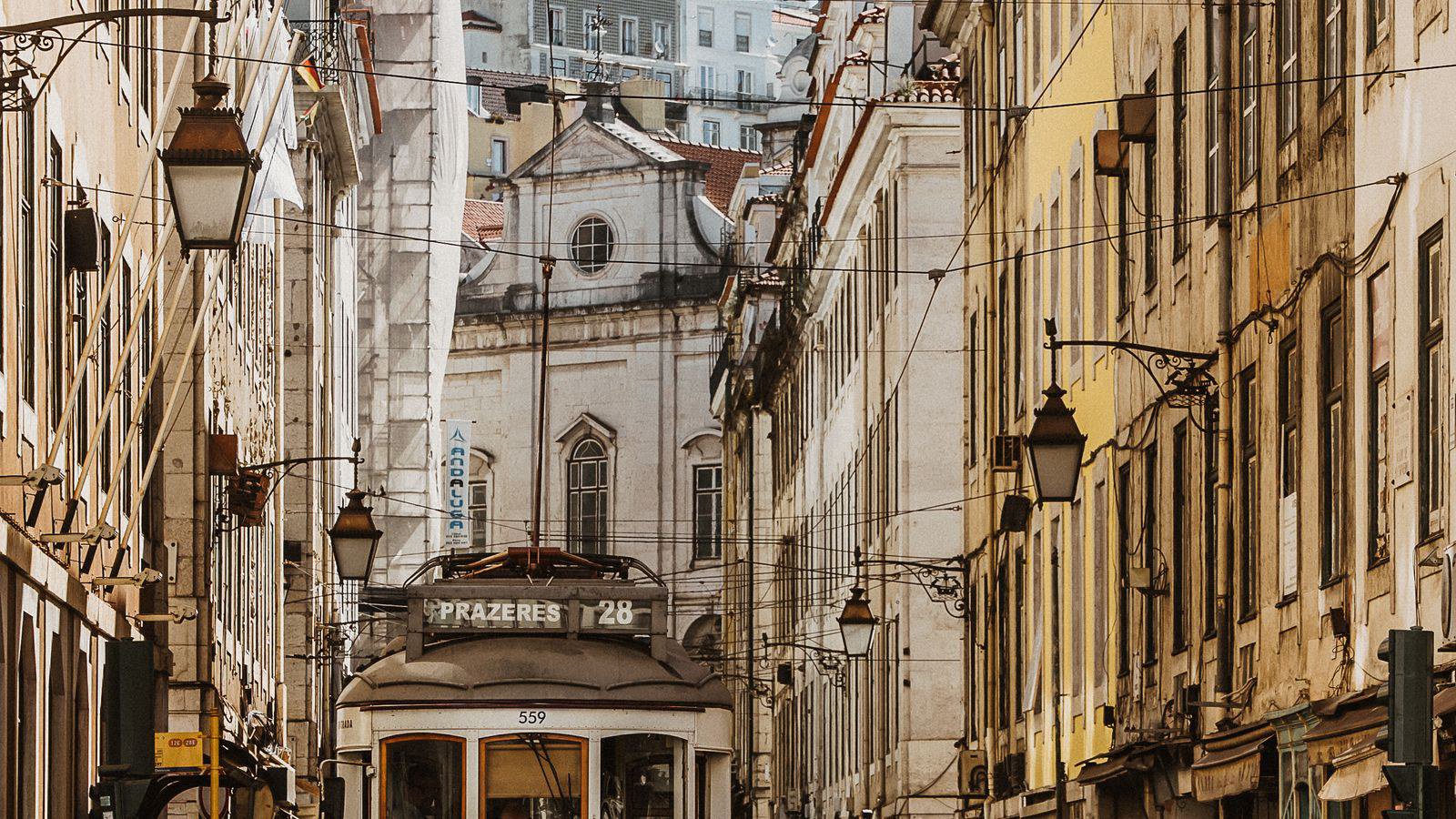
Most first-timers choose between four areas. Each has a different feel, and none is wrong.
Baixa and Chiado
These are central and flat, with good metro access. You can walk to many sights and return easily for a rest. The trade-off is that streets can be busy and noisy in the evening.
Alfama
This is the most atmospheric option. You wake to old lanes and church bells. The cost is stairs, steep paths and limited taxi access to some doors. Pack light if you stay here.
Bairro Alto
This is a lively choice for those who like late nights. Bars fill the streets after dark, so light sleepers should ask about noise before booking.
Avenida and Marques de Pombal
This area is calmer, with wide boulevards and a direct metro line. It suits travelers who want quiet evenings and easy connections.
Rates and availability change by season. Look at a few dates and compare the total, including any local tourist tax listed by the property. Our guide on choosing between hotels, hostels and apartments explains how to weigh space, kitchen access and flexibility.
Trams, hills and getting around
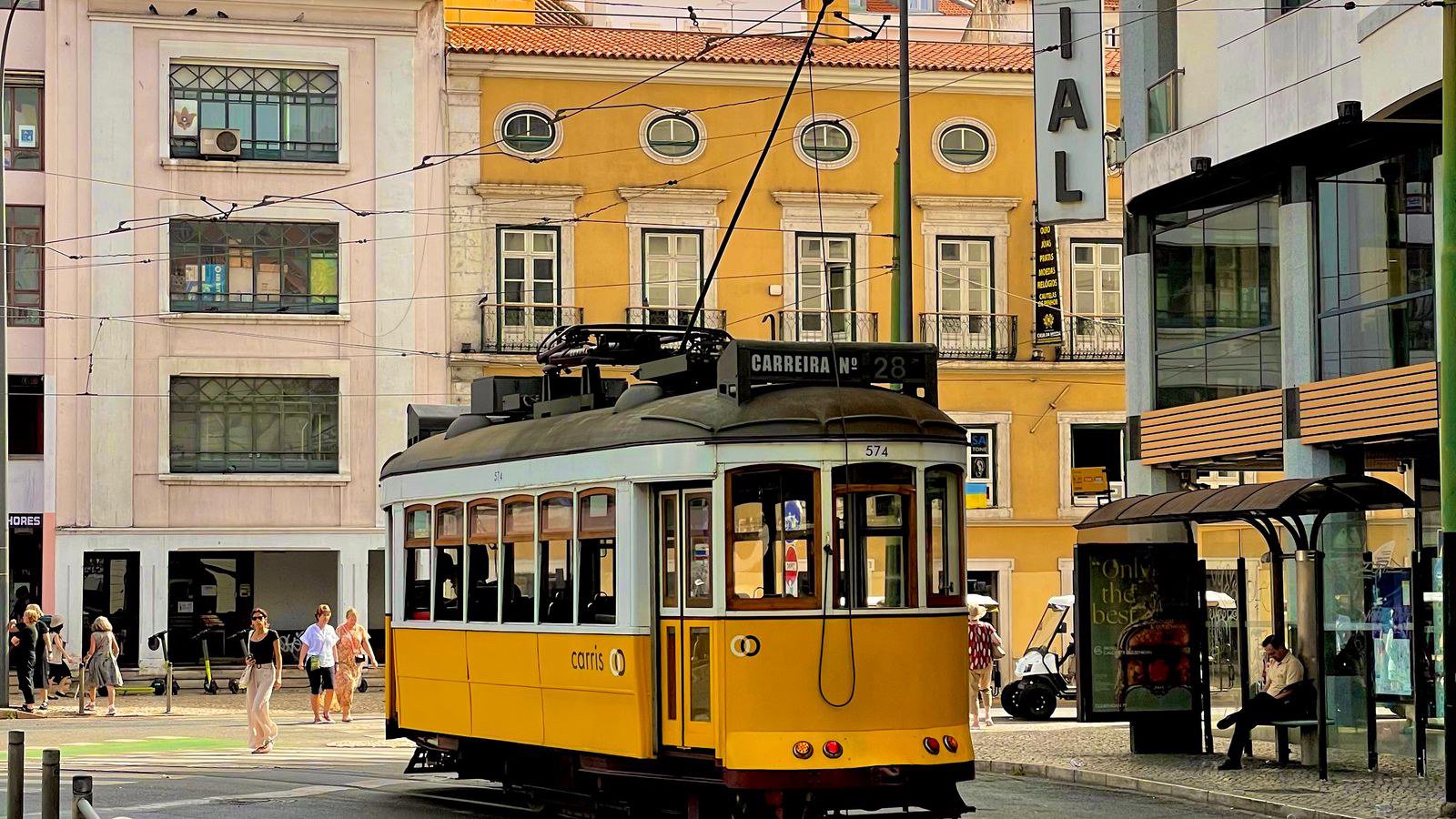
Lisbon has a metro, buses, trams, funiculars and suburban trains. The metro is simple and covers key areas. Trams and funiculars are charming but slow, and the best-known line is often crowded.
The famous yellow tram gets very busy. If you want the ride, go early or try a less popular route. Many locals use other lines that are just as scenic.
Wear shoes with good grip. The old pavements are polished stone and can be slippery, especially after rain. A pair of comfortable walking shoes matters more here than in many cities.
Here are practical habits that help:
- Download an offline map in case signal drops in narrow lanes.
- Use the metro for longer hops and walk for short ones.
- Check how a rechargeable transit card works before you buy tickets one by one.
- Watch your pockets on crowded trams, as in any busy tourist area.
Taxis and ride apps are useful for steep climbs and late returns. For the airport, the metro is usually the simplest link, but confirm current lines and hours on the official transport pages.
What to eat and where locals go

Portuguese food is simple, honest and built around good ingredients. Grilled fish, salt cod, soups, bread and pastries appear on most menus. Portions are generous, and many places offer a daily dish at lunch.
Look for small restaurants with short menus. A handwritten board is often a good sign. Ask what is fresh today and let the staff guide you.
Many cafes serve a simple coffee and a pastry in the morning. The custard tart is the best-known sweet, and you can find good versions in ordinary bakeries as well as famous ones. Try one at a counter, as locals do.
At dinner, share a few plates. Be aware that some starters placed on the table are charged if you eat them. That is normal, and you can decline anything you do not want.
Vegetarian options exist, but they can be limited in traditional places. Check menus ahead and ask about stock, ham or fish in soups. If you have allergies, explain clearly in writing.
Seafood restaurants can be expensive, so check menus for how fish is priced, often by weight. Ask before ordering so the bill holds no surprises.
Day trips to Sintra, Cascais and beyond
Lisbon is a strong base for short trips. Trains are easy, and distances are small.
Sintra is the classic choice. It has palaces, forests and viewpoints on green hills. It also draws large crowds. Go early, pick two or three sights at most, and allow time for queues and steep walks. Plan the visit as a full day.
Cascais is a seaside town with a promenade, beaches and a relaxed atmosphere. It is easy to reach by train, and you can pair it with a coastal walk. It works well as a slower day after Sintra.
Other options include Setubal, Obidos and the coast south of the Tagus. Each needs more time and, in some cases, a car or a tour. Decide whether the extra planning is worth it for your trip length.
Check opening times, ticket rules and any advance booking for popular sites on their official pages. For general planning, Visit Portugal is the national tourism board and a reliable starting point.
For city events, neighborhood notes and current visitor information, the official Visit Lisboa site is useful. Opening times and exhibitions shift often, so check it before you commit to a day.
A small tip on timing helps here. Many museums close one day a week, and some small churches close for lunch. Write down the closing day of each sight you care about. A simple note on your phone can save a wasted walk uphill.
When Lisbon is at its best
Lisbon is pleasant for much of the year. Spring and autumn bring mild weather and softer crowds. Summer is warm and busy, with long evenings that suit terraces and riverside walks. Winter is quieter and can be wet, but many sights stay open.
Shoulder months are often the best balance for a first visit. You get comfortable temperatures for walking the hills and a little more space at the main sights. Weather is never guaranteed, so pack a light layer and a rain jacket whatever the month.
Festivals and holidays change crowd levels and prices. Check the local calendar before you choose dates, and expect busier streets during major events.
Using this Lisbon travel guide for your first days
A simple first visit might look like this. Spend day one on Baixa, Chiado and a sunset viewpoint. Use day two for Alfama and the castle area in the morning, with a long lunch after. Give day three to Belem, then rest in the afternoon. Keep day four for Sintra or Cascais.
Do not try to do everything. Lisbon is a city for sitting, watching and walking slowly. Leave time to stop at a small square and take a break.
Before you go, check entry requirements for your passport, transport details and any ticket rules through official sources. These change, and the information here is a planning guide, not a substitute for current rules.