
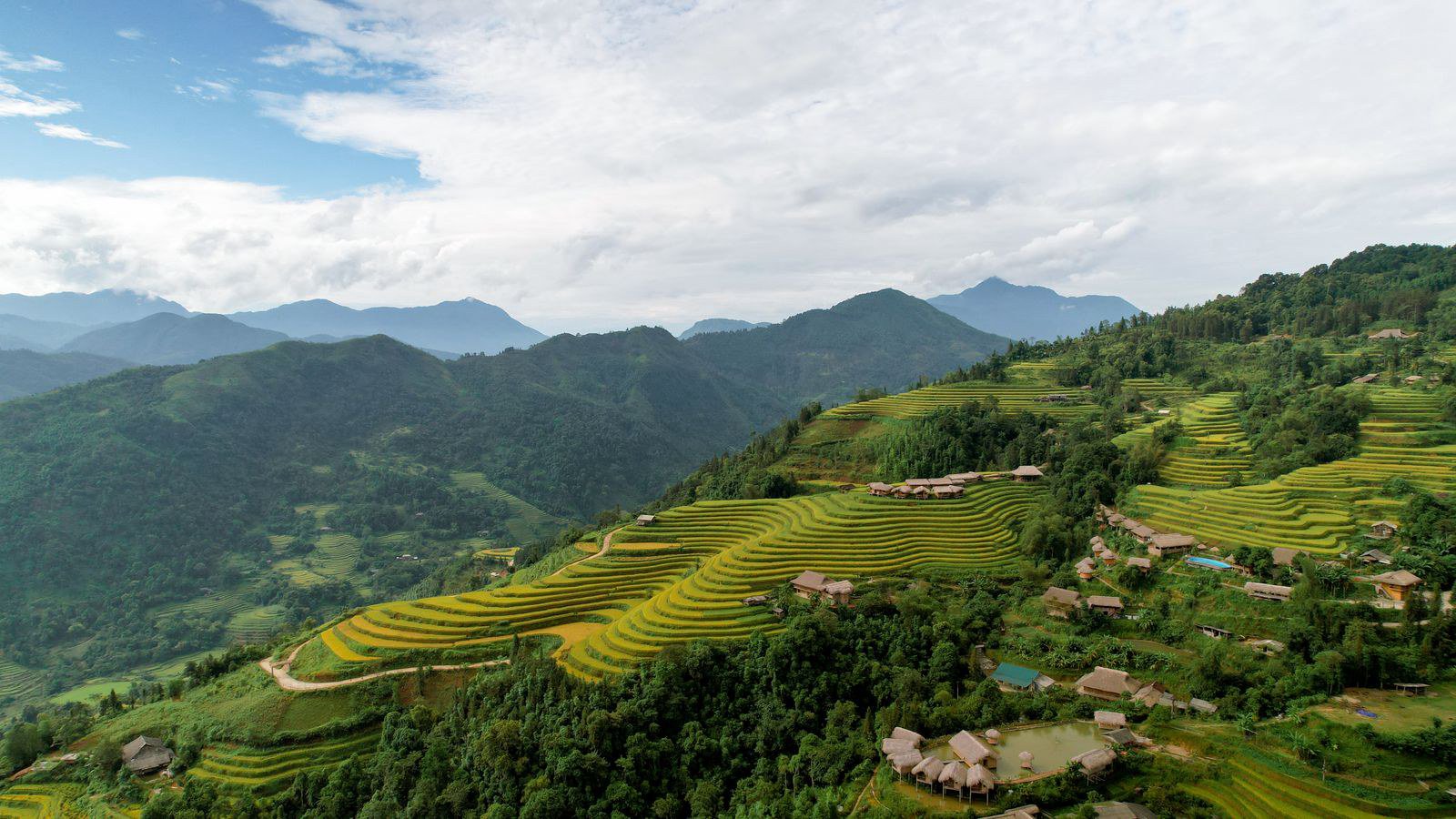
A Vietnam travel route usually follows the country’s long, thin shape from north to south, or the reverse. The main choice is how many regions you can enjoy without spending your trip on transport. Two weeks is a comfortable minimum for the full line. Three weeks gives you room to slow down.
Vietnam stretches more than a thousand miles from top to bottom. Distances look short on a map, yet roads and trains take time. Planning by region keeps the trip realistic.
How long to plan for the full Vietnam travel route
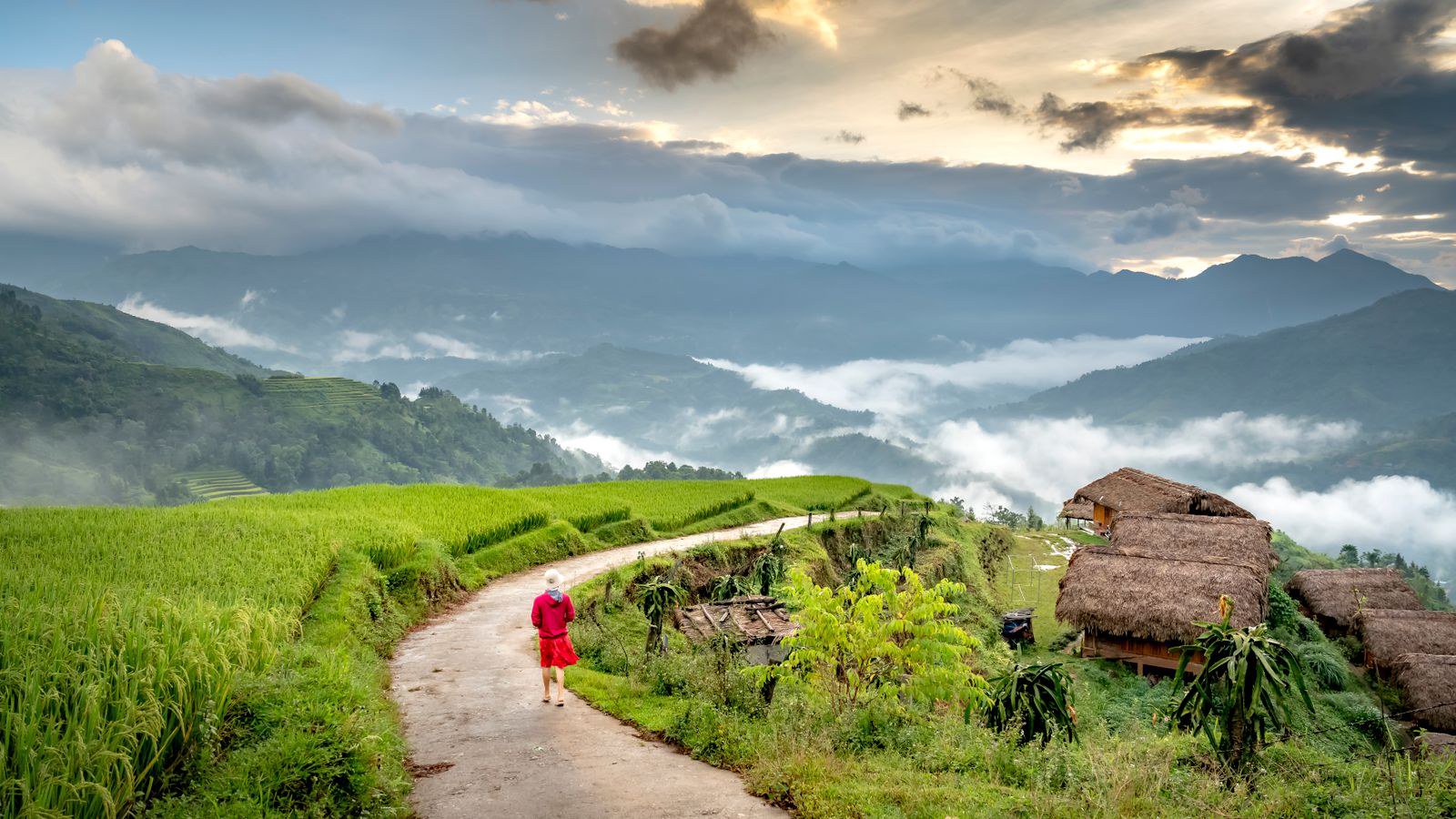
Ten days can cover the highlights, but it feels fast. You will likely fly between regions and spend short stays in each. That works if you accept seeing less and moving more.
Two weeks is a better balance. It allows around four days in the north, four in the center and four in the south, plus travel days. Three weeks lets you add mountains, islands or a longer stay in one place.
Think about direction. Going north to south means you end in a large city with easy international flights. Going south to north does the opposite. Flights in and out may decide this for you, so compare options first.
Before you book anything, check the current entry rules for your passport. Our guide on how to check entry rules for any country explains the steps. For Vietnam, rules on visas and e-visas can change, so confirm them with the official Vietnam e-visa portal and your own embassy.
Hanoi and the north: Ha Long Bay, Sapa, Ninh Binh
Hanoi is a dense, lively capital. The Old Quarter is a maze of shops, cafes and street food. Spend at least two days here to see the lake, the temples and the museums at an easy pace.
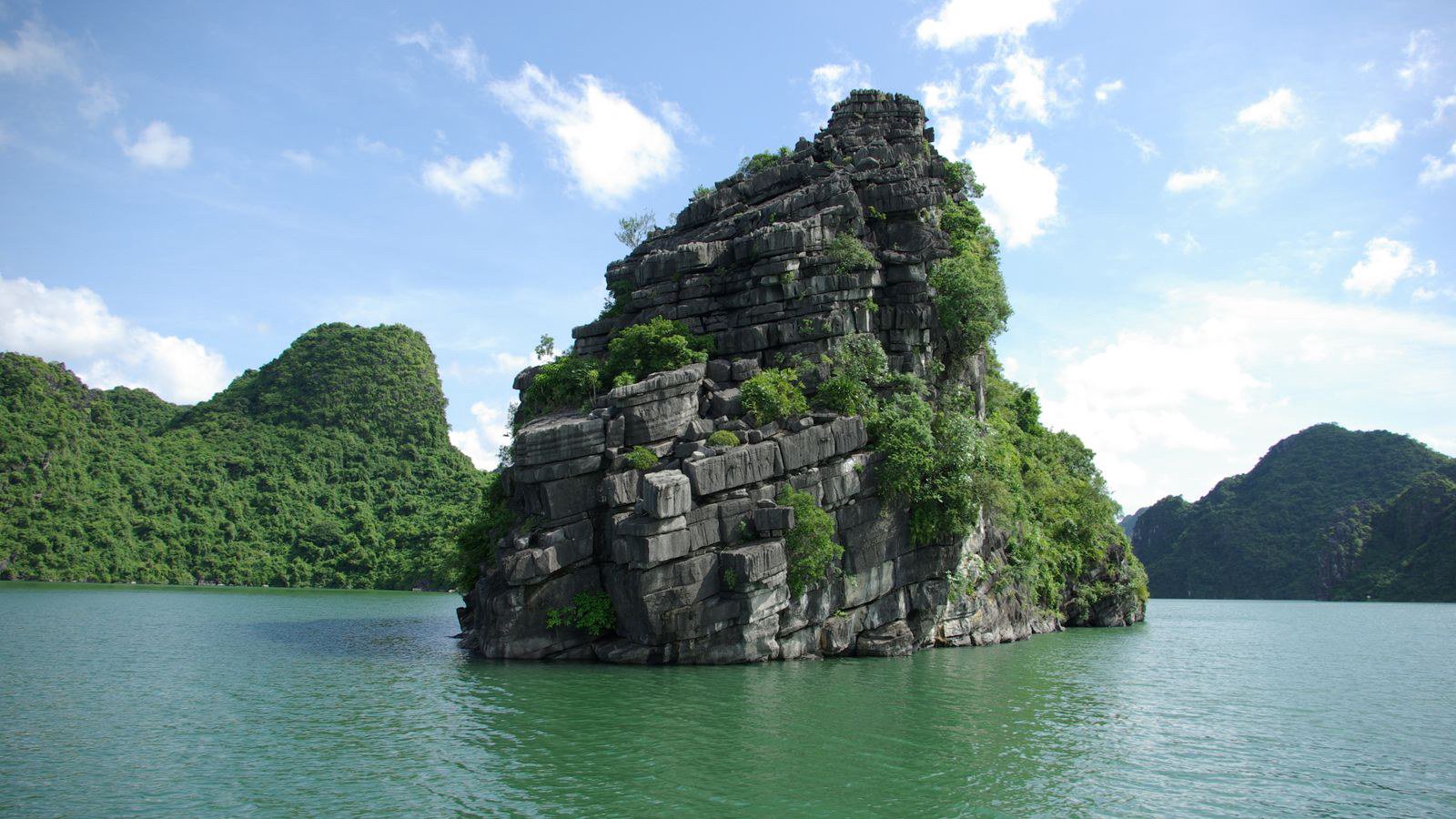
Ha Long Bay is the best-known day or overnight trip. Limestone islands rise from green water, and cruises range from simple to elaborate. Compare itineraries, read recent reviews and ask what is included before you pay. Weather can affect schedules, so keep your plans flexible.
Ninh Binh offers a quieter landscape of rivers, caves and rice fields. It is close enough to Hanoi for a day trip, yet staying overnight is more relaxing. Boat rides and short climbs fit well here.
Sapa sits in the northern mountains, with terraced hills and village walks. It takes longer to reach, and fog can hide the views. If your time is tight, choose between Sapa and Ninh Binh instead of trying both.
Northern weather has cooler winters than the rest of the country. Pack layers if you visit in cold months.
Central Vietnam: Hue, Hoi An and Da Nang
The center is where many travelers slow down. Hue was the imperial capital and still holds citadels, tombs and quiet gardens. Plan a full day, and consider hiring a local guide or using a good audio guide for context.
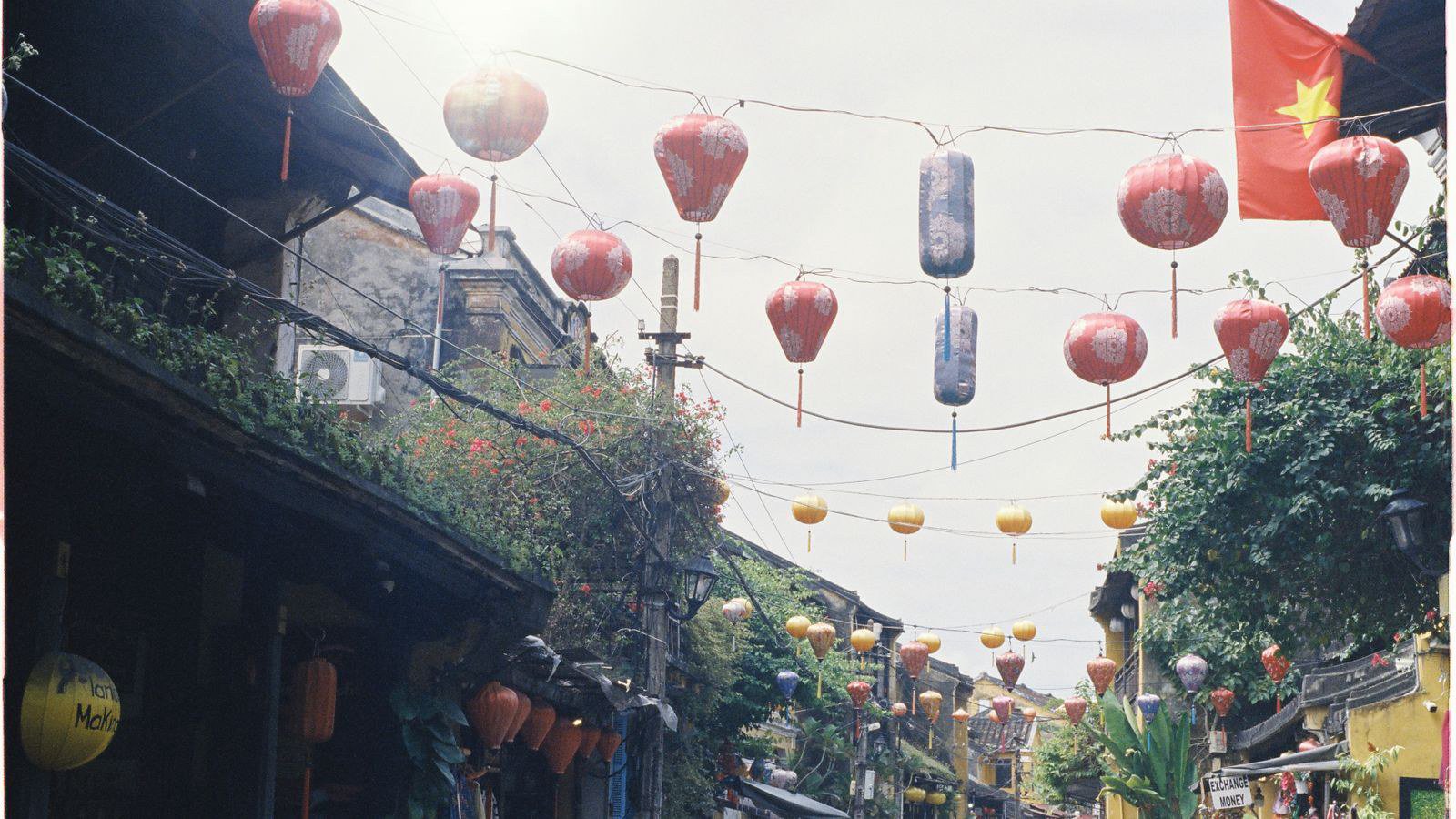
Hoi An is a small, well-preserved trading town. Lantern-lit streets, tailors and riverside cafes draw crowds, especially in the evening. Visit early in the morning for a calmer feel. If you plan to order clothing, allow several days and confirm fittings and prices in writing.
Da Nang is a modern coastal city with beaches and an airport. Many travelers use it as a hub. The road between Hue and Hoi An passes a mountain pass with sea views, and it is worth doing in daylight.
The center has its own weather pattern. Rain and storms can arrive in the later part of the year, which can affect roads and beaches. Check forecasts and local advice close to your travel dates.
The south: Ho Chi Minh City and the Mekong Delta
Ho Chi Minh City is large, fast and full of energy. Motorbikes fill the streets, and crossing the road takes patience. Walk steadily, do not stop suddenly, and let riders flow around you.
Key sights include the old post office, the cathedral, markets and war-related museums. Allow a day for the museums, as some of the content is heavy. Food is a highlight, from noodle soups to coffee on small stools.
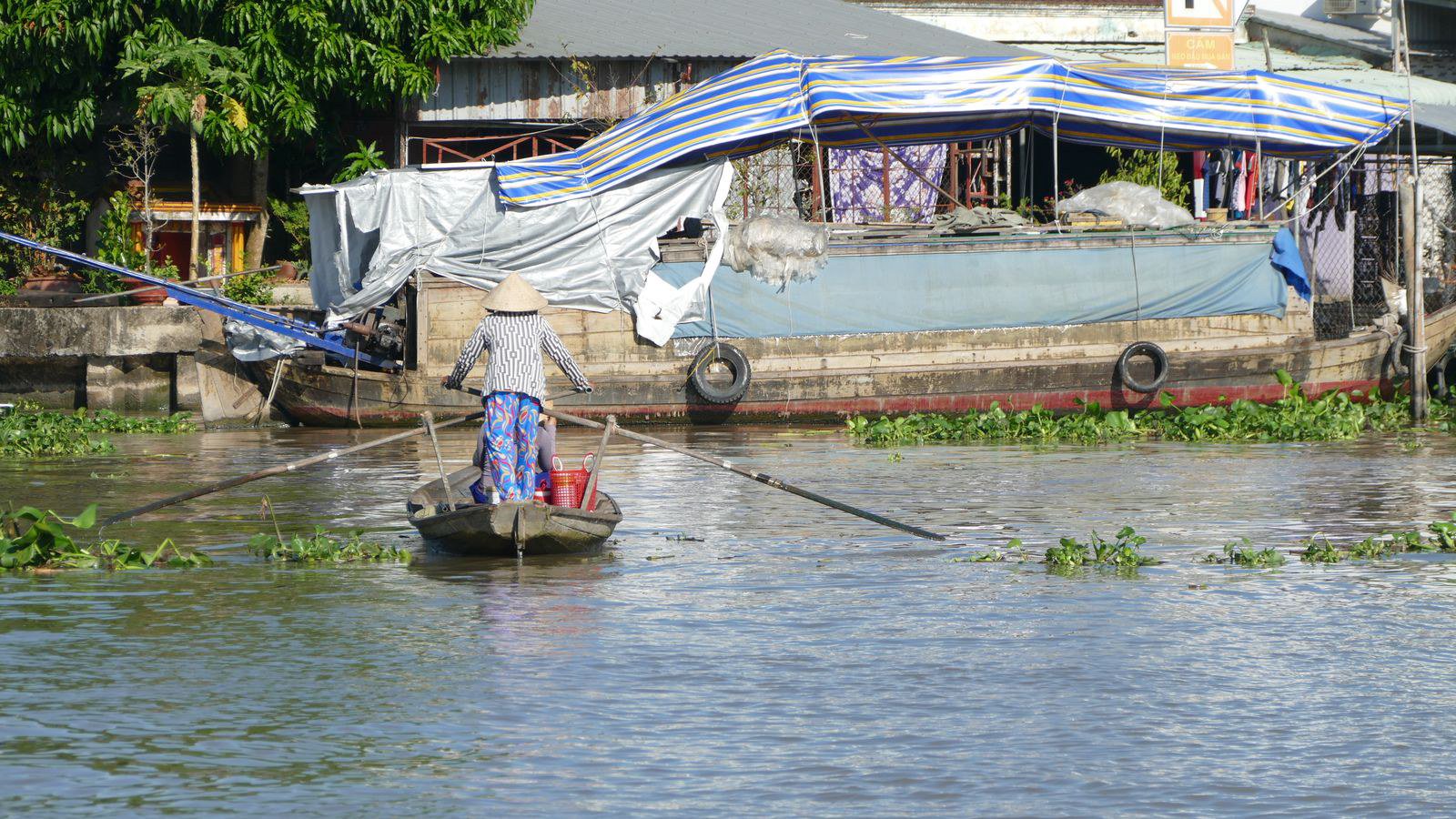
The Mekong Delta is a network of rivers, orchards and floating markets. Day tours are easy, though they can feel rushed. An overnight stay lets you see quieter canals and start early before boats gather.
Choose a trip length that matches your interest. A single day gives a taste. Two days gives a better sense of rural life.
For official planning information, the national tourism site at Vietnam Tourism is a reasonable starting point.
Moving between regions: trains, buses and flights
The main transport choice is between speed and scenery. Each mode has a role.
Flights are quick and often the simplest for the longest legs, such as Hanoi to Ho Chi Minh City. Compare baggage rules and airport transfer times, because the total journey is longer than the flight itself.
Trains offer a slower, scenic option along the coast. Sleeper berths exist for overnight journeys, and some segments, such as Hue to Da Nang, are known for views. Schedules and ticket rules change, so use the official railway booking pages or a reputable agent.
Buses and sleeper buses connect almost every town. They are cheaper but less comfortable for long trips. Choose well-reviewed operators and keep valuables with you.
Here is how to mix them wisely:
- Fly the long legs and use trains or buses for short ones.
- Avoid overnight travel on consecutive nights if you tire easily.
- Leave a buffer before international flights home.
- Book popular trains and cruises ahead in busy periods.
Whatever you pick, confirm timetables close to your date. Services change, and old information appears often online.
Keep a short list of backup options for each region. If a cruise is cancelled or a train is full, you will know what to do next. That small list reduces stress more than any extra booking. Also tell your bank before you travel and save digital copies of your passport pages in a safe place.
It also helps to decide your must-see list early. Pick one or two sights per region that you refuse to miss. Everything else becomes a bonus. This keeps decisions simple when plans change, and they often do in a country this long.
Weather differences from north to south
Vietnam does not have one climate. The north has four seasons, with cool winters and hot, wet summers. The center has a rainy season that arrives later in the year. The south is warm all year, with a wet and a dry season.
This means the best time to travel depends on the regions you want. There is rarely a perfect month for the whole country. You may meet rain somewhere, so build in flexibility.
Our guide to Southeast Asia weather by month gives a wider picture and helps you compare regions. Use it alongside current forecasts, since patterns shift from year to year.
Bring light clothing, a rain jacket and sun protection. Plan outdoor activities for mornings, and keep a spare day in the center in case storms disrupt travel.
A route that suits you
A sensible Vietnam travel route is one you can finish without exhaustion. Pick the regions that matter most, add transport time honestly, and keep a spare day or two. Fewer stops often lead to richer memories.
If you have two weeks, a north-to-south line with one flight and a coastal train is a good pattern. With less time, choose two regions and go deeper. With more, add the mountains or an island.
Finally, check official sources for visas, health advice and safety notes before you commit. Rules and conditions change, and reliable confirmation is part of good planning.