

Travel insurance for independent travel is a policy you buy to cover costs that go wrong before or during a trip, mainly medical bills, cancellations, delays and lost belongings. It does not stop problems from happening, but it can stop a problem from becoming a financial one.
Independent travellers carry more of their own risk, because there is no tour operator to fall back on. That makes the small print matter. We explain how to read a policy, what to check and how to claim, without recommending any single product.
What travel insurance actually covers

A policy is a bundle of separate protections, and each has its own limit. Understanding the parts is more useful than comparing headline prices.
Medical cover pays for treatment and, in serious cases, transport home. Cancellation cover reimburses prepaid costs if you cannot travel for a listed reason. Delay and missed-connection cover helps with extra expenses when transport runs late. Baggage and personal belongings cover applies to loss, theft or damage, usually with per-item limits.
Some policies add personal liability, legal costs or cover for rental cars. Others include extras such as emergency cash support or a helpline. Whether you need these depends on your route and what you carry.
Think about what a bad day would cost you. A broken leg in a country with expensive hospitals is a very different risk from a lost sunhat. Spend your attention on the large, rare risks first, then on the small, likely ones.
Insurance usually covers events that are sudden and unexpected. It rarely covers things you knew about when you bought it, or events caused by risky behaviour. Keep that principle in mind as you read.
Policy types also differ. Single-trip policies cover one journey. Annual multi-trip policies cover repeated trips, usually with a maximum length for each. Long-stay or backpacker policies are built for months on the road. Choose the structure that matches how you actually travel.
Medical cover and the visa requirement
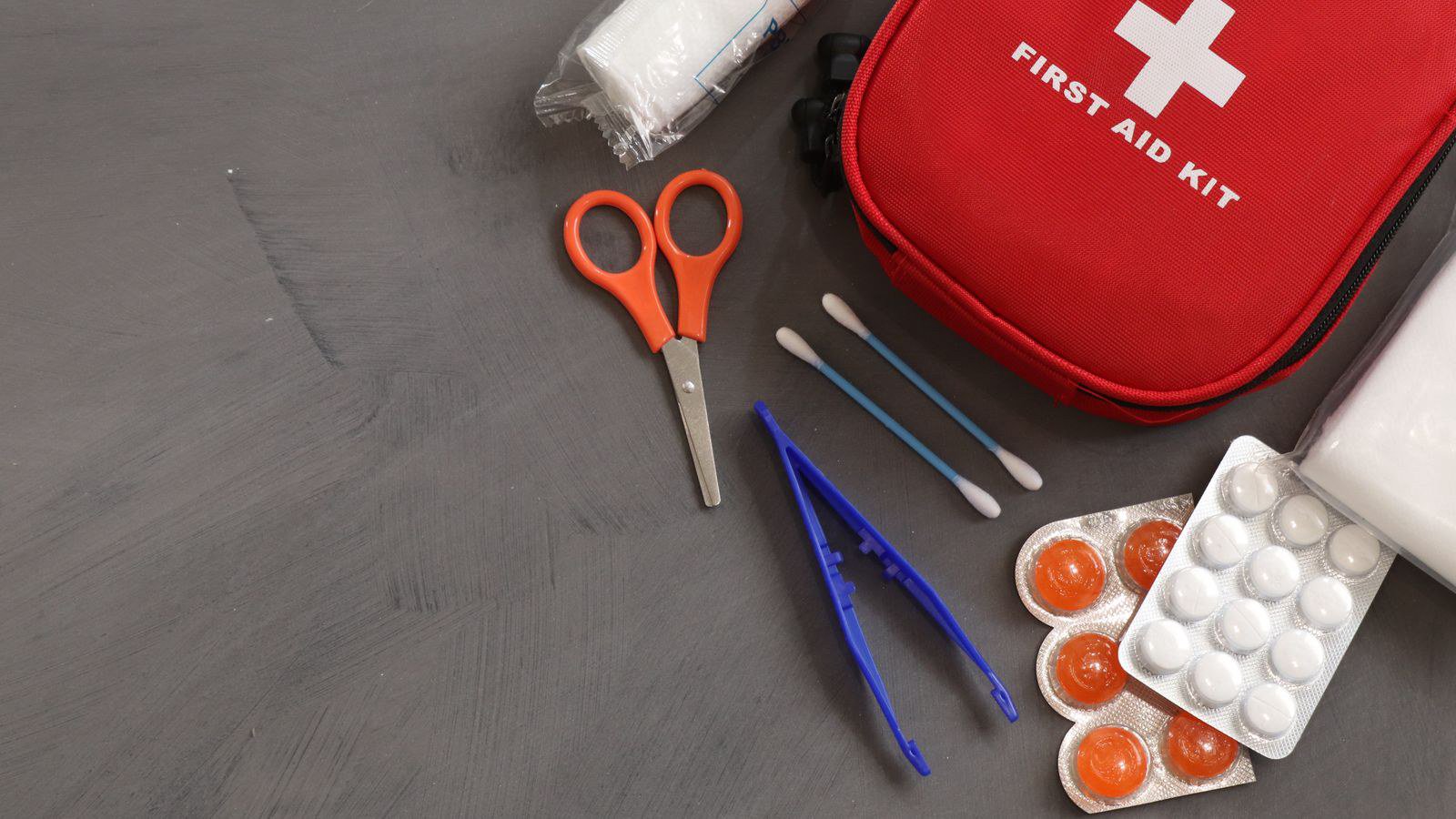
Medical cover is the part we would never skip. Healthcare abroad can be costly, and a stay in a foreign hospital is hard to manage alone.
Look at the medical limit, which is the most the insurer will pay. Then check whether it includes emergency evacuation and repatriation, since moving a patient across borders can cost far more than the treatment. Also see whether the policy pays the hospital directly or asks you to pay first and claim afterwards.
Some visas require proof of insurance. The Schengen Area is the best-known example: applicants for a short-stay visa are generally asked for a policy with a minimum level of medical cover across the whole area. The exact amount and conditions are set by the authorities and can change, so confirm them on the official page. The European Commission’s home affairs site is a good starting point.
If you are applying, our Schengen visa application guide shows where insurance fits in the document list. Match the policy dates to your itinerary exactly, with a small margin at each end where the rules allow.
Pre-existing conditions need special care. Many policies exclude them unless you declare them and the insurer accepts them. Be honest on the form. A policy bought on incomplete information can fail you exactly when you need it.
Think about where you are going, not only how long. Some activities, such as scuba diving, skiing or climbing, are excluded from standard cover and need an add-on. Others, like motorbike riding, may require a licence valid in that country for a claim to be paid.
If you hold a national health card or similar reciprocal arrangement, understand its limits. It may cover basic public treatment in some countries, but not repatriation, private care or many costs. Treat it as a supplement, not a replacement. Your own government’s travel advice often explains what applies to you.
Cancellation, delays and lost bags
These are the claims people make most often, and the ones most affected by conditions. Read them slowly.
Cancellation cover works only for reasons the policy lists. Serious illness, a death in the family and certain emergencies are common examples. “I changed my mind” is almost never one of them. Some insurers sell an upgrade that widens the reasons, usually at a higher price.
Timing is crucial. Cancellation cover often starts only when you buy the policy, and some benefits depend on buying soon after you make your first booking. If you buy late, earlier events may not count.
Delay cover usually requires a minimum delay before it pays, and it reimburses reasonable extra costs like meals or a night’s lodging. Keep every receipt. Ask the airline for written confirmation of the delay and its cause.
Missed connections are subtler. If you built a trip from separate tickets, a delay on the first flight may not be the airline’s responsibility for the second. That is a risk on self-transfer routes, and our guide to building a realistic travel budget reminds you to set aside money for exactly these situations. Check whether your policy treats such missed connections as covered events.
Baggage cover has tight limits. Each item usually has a maximum payout, and valuables like cameras or laptops may be capped or excluded unless you list them. Policies often require you to report a theft to the police within a short time and keep the report.
Bags lost by an airline are generally the airline’s first responsibility. You report the loss at the airport, get a reference number and then, if needed, claim on insurance for what the airline does not pay. Keep your boarding pass and baggage tag.
Know what counts as reasonable care. Leaving a bag unattended or in a parked car overnight can void a claim. Policies often treat such carelessness as an exclusion even when theft clearly occurred.
Reading exclusions before you buy

Exclusions are the list of things the policy will not pay for. Most people skip them, and most claim disputes live here.
Look for the common themes. Alcohol and drug use, undeclared medical conditions, travel against government advice, and extreme sports often appear. So do war, civil unrest and certain natural disasters, depending on the wording.
Pay attention to government advice in particular. If an official authority tells citizens not to travel to a place, many insurers will not cover trips there. The UK government’s foreign travel advice is one example of a service that issues these warnings, and your own government will have an equivalent.
Next, look for excess, sometimes called a deductible. This is the amount you pay before the insurer pays anything. A low premium with a high excess can cost more in practice than a pricier policy with a small one.
Check sub-limits within each section. A policy might advertise generous baggage cover but cap each item or cap electronics. Also note any age limits, trip length limits and territorial limits, since cover for a particular region may be an add-on.
Compare policies using the same checklist rather than the same price. Medical limit, evacuation, cancellation reasons, excess, activity cover and claim process are the six items we weigh first. Write them down side by side. You will see differences that a marketing page hides.
Finally, keep the policy document, not just the confirmation email. You will want the full wording and the emergency phone number available offline. Many people discover they cannot open their policy only after they have been robbed.
Making a claim without stress
Claims go better when you prepare before anything happens. The steps are boring, and that is the point.
Save the insurer’s emergency number in your phone and write it on paper. For anything serious, such as hospital admission, contact the insurer or its assistance line as early as possible. Many policies require prior notice for expensive treatment, and some will arrange direct payment.
Collect evidence as events unfold. Photograph damage, keep medical reports and invoices, and ask for official documents like police reports or airline delay letters. A claim with clear paperwork is much easier to settle.
Keep all original receipts. Insurers usually pay only what you can prove and only what the policy allows. If you replace essentials after a loss, buy sensibly and keep proof of price.
Submit within the stated deadline. Policies set time limits for claims, and late ones can be refused. Send the claim soon after you return, while the details are fresh, and keep copies of everything you send.
Expect questions. An insurer may ask for more documents or clarification. Answer promptly and accurately. If the answer is no, ask for the reason in writing and check it against the policy wording. You can usually appeal, and many countries have an independent ombudsman for unresolved disputes.
Insurance will not make a trip carefree, and no policy covers everything. Still, a well-chosen one removes the worst financial surprises and lets you travel with more confidence. Take an hour to read the document, match it to your route and the activities you plan, and keep it where you can reach it. That hour is the cheapest part of the whole trip.